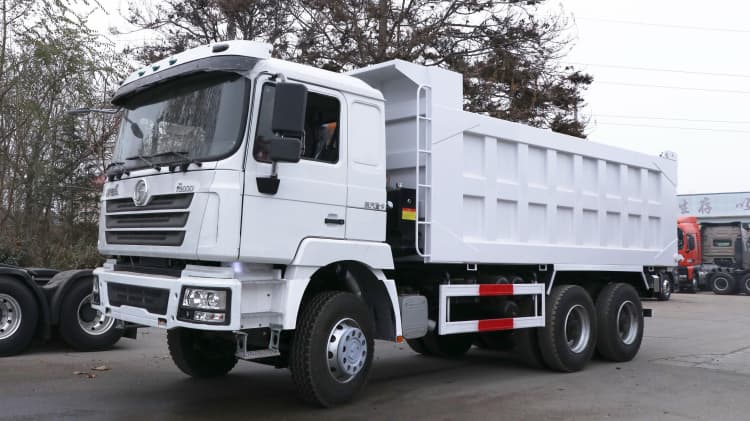
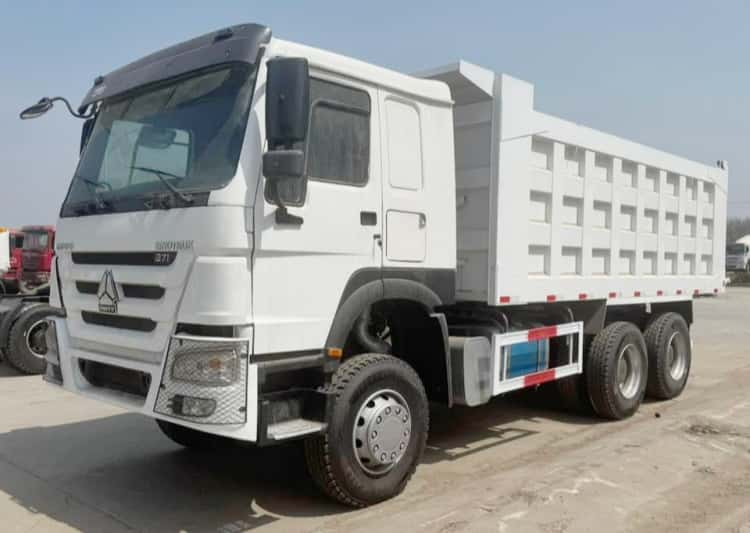
Cab, Engine & Chassis Inspection Guide for Used Reman Trucks
Introduce
Buying a used reman truck means looking beyond surface appearance. Unlike ordinary used trucks, used reman truck should meet defined restoration standards on the cab, engine and chassis — the three core assemblies that decide safety, uptime and total ownership cost. This guide walks buyers through structured inspection points, to separate properly remanufactured assets from basic repaired trucks.
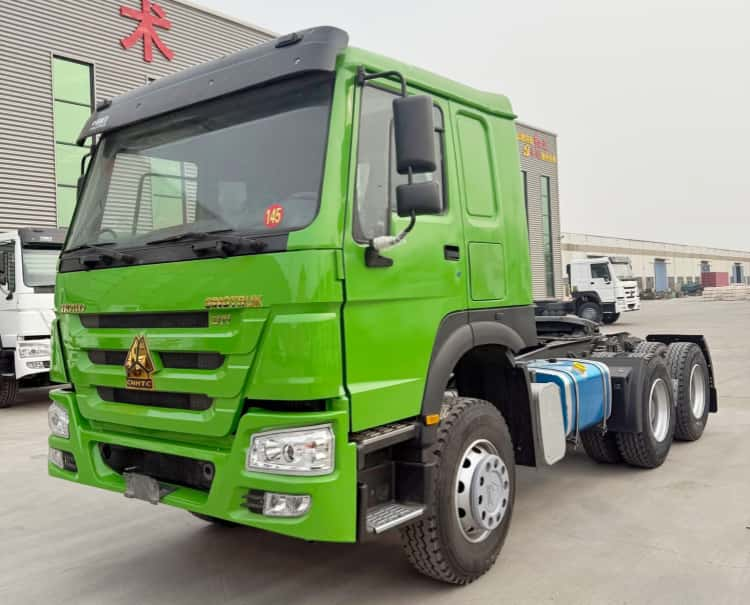
Cab Inspection
The cab is the operator’s working environment and a critical safety cage. Do not only check cosmetics.
- Body structure: Look for hidden corrosion, cracked welds or misaligned panel gaps. Structural cab damage is not always visible under fresh paint.
- Seat, restraints and safety hardware: Verify seat mounting points, seatbelt anchors and latch function. Reman standards require worn safety components to be replaced, not reused.
- Electrical and HVAC: Test dashboard gauges, warning lights, wiring harness integrity, air conditioning and heater. Frayed wiring is a common hidden failure point.
- Door, window and sealing: Check door latching, window movement, rubber seals and water leaks around windshields. Leaks accelerate internal rust and electrical faults.
- Documentation: Confirm whether cab panels or structural sections were replaced, repaired or only refinished in the remanufacturing record.
Engine Inspection
The engine is usually the highest-value reman core, and inspection needs both static and quick running checks.
- Core provenance and grading: Ask for core intake records. A qualified reman engine core must not have catastrophic damage such as seized crankshaft or cracked block.
- External signs: Inspect for fresh, repeated oil leaks at gaskets, seals and cooler joints. Minor weeping is different from active leakage.
- Compression and pressure test records: Reliable reman providers keep compression test, oil pressure and boost test reports. Avoid units without verifiable test data.
- Turbo, fuel and exhaust: Check turbo housing for oil contamination, inspect injector harness connections, and review DPF or exhaust aftertreatment service status.
- Start and idle behaviour: Watch cold start smoke, idle stability and response to throttle. Excessive white or black smoke often points to incomplete reman work.
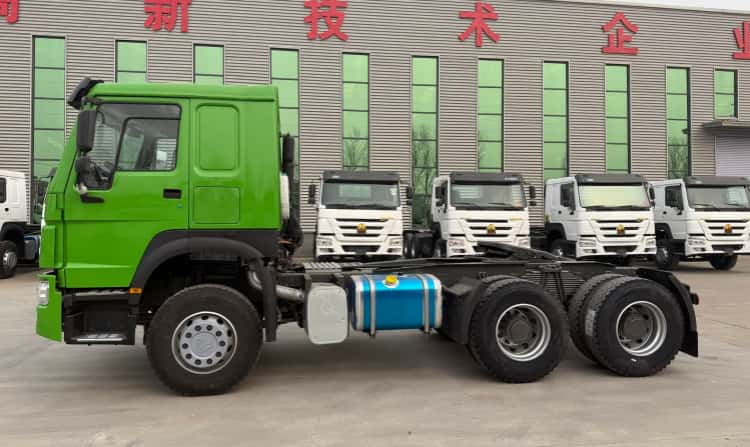
Chassis Inspection
Chassis integrity directly affects load safety, braking and handling. This section is frequently overlooked by casual buyers.
- Frame rail condition: Run eyes and hands along frame rails, crossmembers and mounting brackets. Look for cracks, bend marks, stretched holes or poor patch welds.
- Suspension components: Leaf springs, air bags, shock absorbers, bushings and kingpins should be graded or replaced according to reman rules. Loose or worn suspension creates unstable handling.
- Axles and wheel ends: Check axle seals for leaks, wheel bearing play and hub service records.
- Brake system: Inspect brake chambers, lines, valves, rotors or drums. All critical brake wear items should be renewed in certified reman builds.
- Steering system: Check steering box play, tie rods and steering linkage. Excessive free play is a major safety risk.
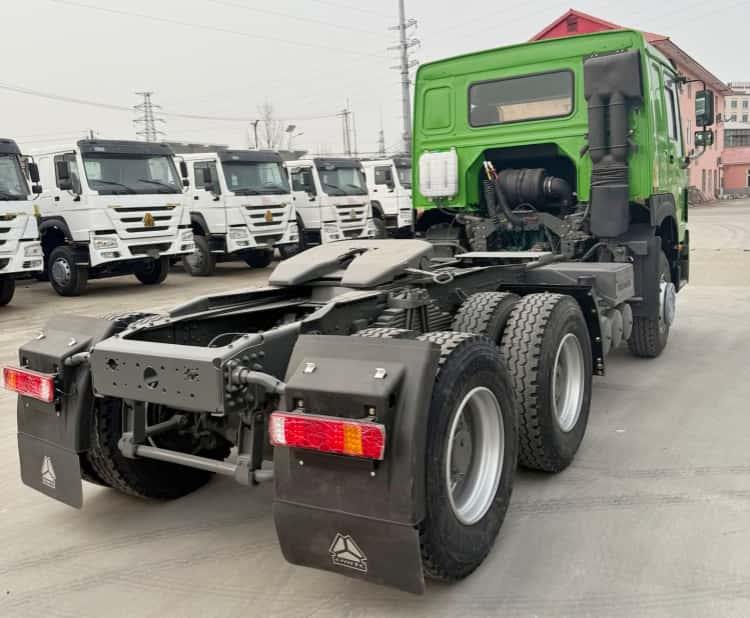
Red Flags That Signal Substandard Reman Truck
- Paint covers structural damage with no supporting repair report
- Engine test data is missing or only a quick visual check was performed
- Critical wear and safety parts are reused without inspection records
- Patch welding on frame rails without engineering approval
- Multiple active leaks across engine, axle or brake circuits
Final Tip for Fleet Buyers
A good remanufacturing inspection does not end with a visual walkaround. Pair your physical checks with the reman traceability file: core grade, parts replacement log, test results and warranty scope. These documents prove the truck went through standardised remanufacturing, rather than a quick cosmetic refresh.