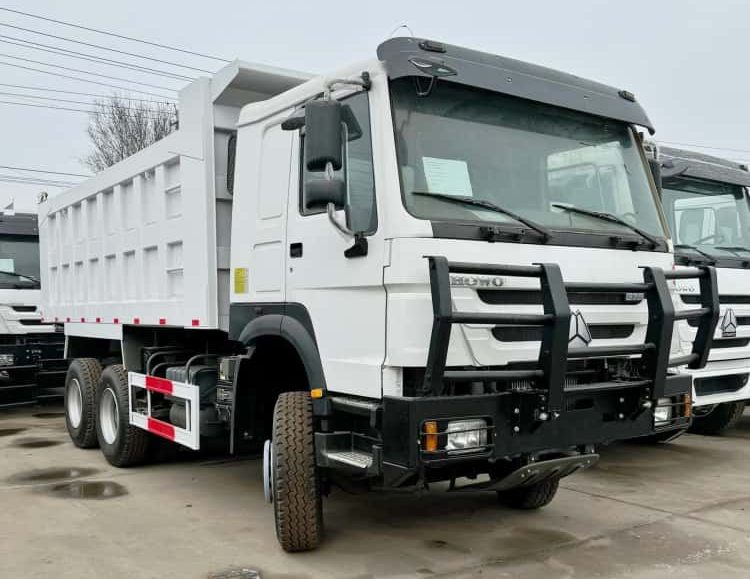
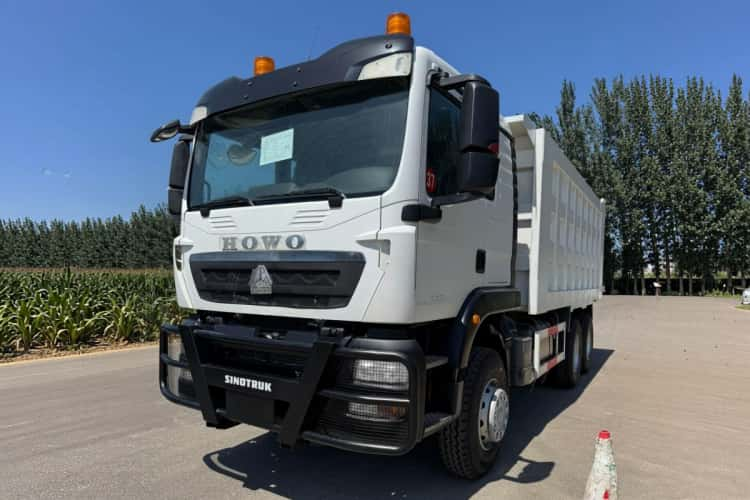
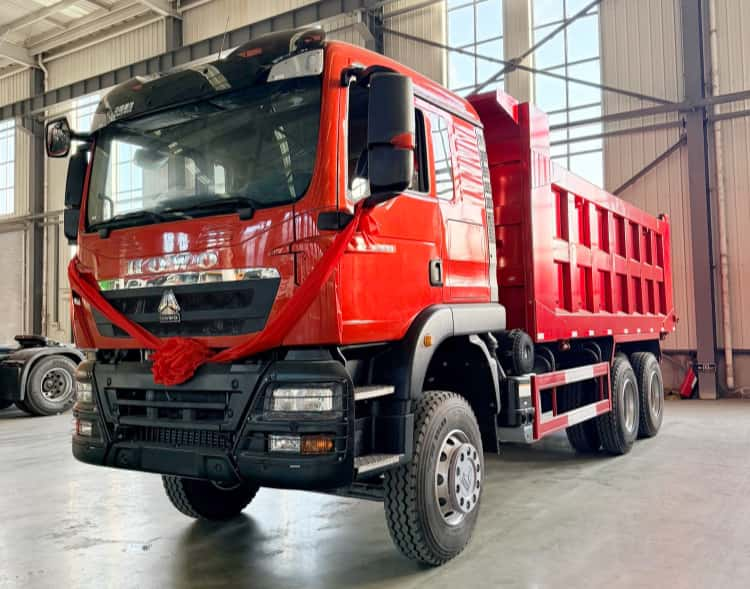
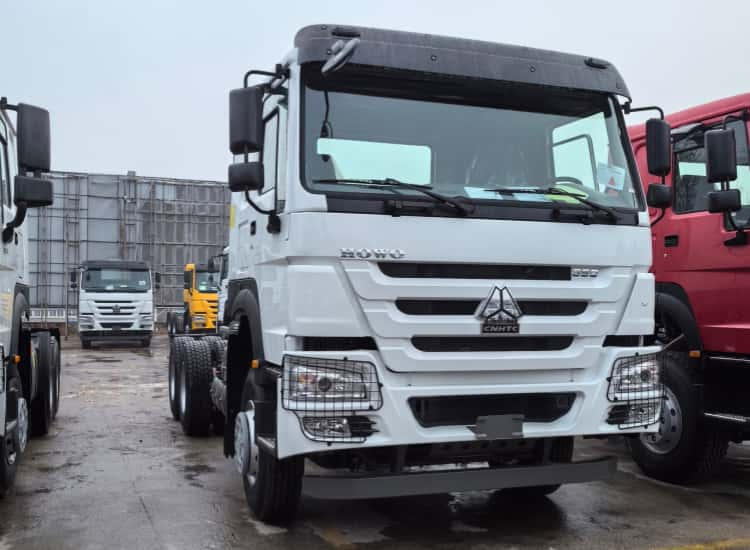
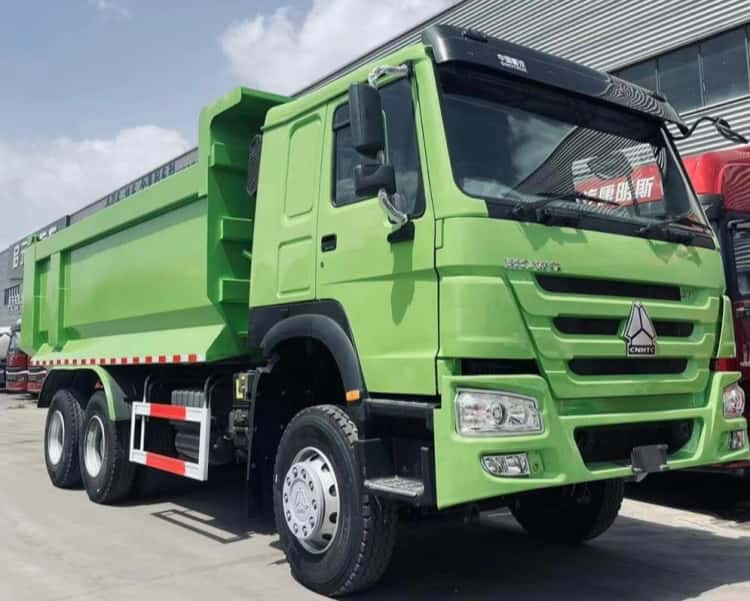
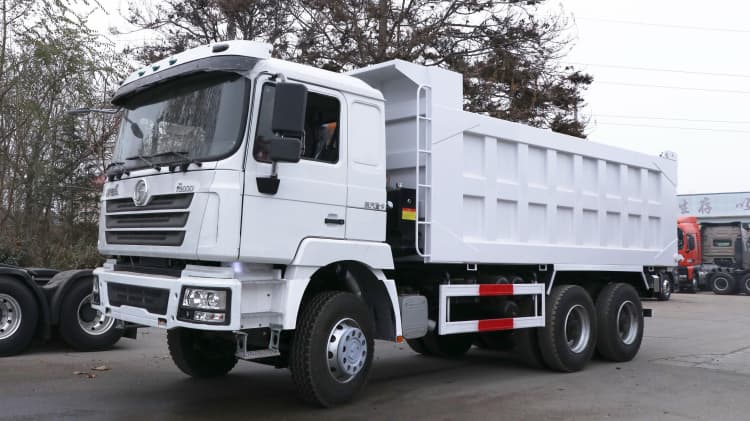
A Beginner’s Guide to Importing China Remanufactured Trucks to African Countries
Introduction
Importing certified China remanufactured truck is an attractive way for African fleet operators, contractors and logistics companies to expand capacity without the high CAPEX of brand-new vehicles. However, cross-border imports involve multiple moving parts: supplier vetting, product certification, Chinese export procedures, destination-country customs rules, shipping, duty calculation and local registration requirements. Mistakes at any stage can lead to port detention, heavy fines, rejected shipments, or trucks that cannot be legally registered and operated.
This beginner-friendly guide follows the REMAN ROAD standard. It walks first-time importers through the full workflow, highlights region-specific rules for common African markets, and flags the most frequent pitfalls for new buyers.
Confirm Local Import Rules Before Contacting Suppliers
Rules differ widely across African nations. What is allowed in one country may be banned or heavily restricted in another. Start here, before negotiating price.
- Check age limits for imported heavy commercial vehicles: many East and Southern African markets set maximum age thresholds for used/remanufactured trucks. Note: some customs authorities treat reman trucks separately from ordinary used trucks, but supporting certification is mandatory.
- Verify emission requirements and acceptable engine types. Some countries restrict older emission tiers.
- Confirm whether remanufactured trucks require special inspection by a local government-approved pre-export inspection scheme (such as SGS, Intertek or Bureau Veritas).
- Check documentary requirements: certificate of origin, VIN traceability records, reman certification, deregistration documents for the original core chassis.
- Confirm roadworthiness and registration standards for heavy-duty trucks once they arrive.
Key regional notes:
- East Africa (Kenya, Tanzania, Uganda): strict pre-shipment inspection and vehicle age controls.
- Southern Africa (Zambia, Malawi): clear documentation is critical for cross-border transit within SADC.
- West Africa (Nigeria, Ghana): customs valuation and correct classification of reman vehicles are common pain points.
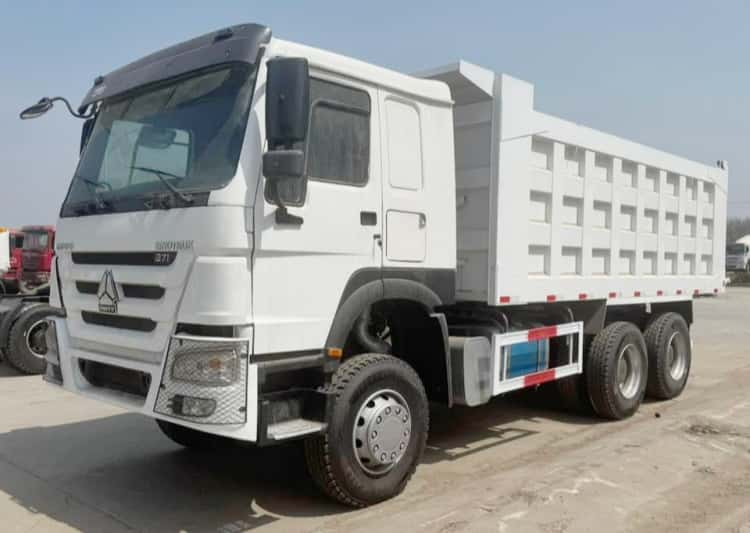
Select a Qualified Remanufacturer, Not a Middleman Trader
For first-time buyers, working directly with a certified producer reduces risk dramatically.
- Confirm the factory holds official Chinese remanufacturing filing, not just a general trading licence.
- Avoid sellers who mix overhauled, refurbished and genuine reman trucks and market them under the same label.
- Request sample traceability dossiers, CMA-accredited NDT reports and dyno certificates tied to individual VINs.
- Ask for recent references from other African importers; contact them independently to ask about customs clearance and after-sales support.
- Confirm the supplier can produce the exact configuration you need: left-hand or right-hand drive, axle ratio, filtration and cooling setup matched to your local terrain and fuel quality.
Lock Specifications, Documentation Scope and Price in a Formal Contract
Verbal agreements are almost impossible to enforce across borders. Your proforma invoice and sales contract must clearly state:
- Each truck’s VIN, model, horsepower, transmission type, hand-drive configuration and build standard (REMAN ROAD certified remanufacturing).
- A written definition of what remanufacturing includes: full disassembly, NDT screening, mandatory replacement of wear parts, dyno and loaded road testing.
- The full package of documents included: commercial invoice, packing list, bill of lading, certificate of origin, reman certificate, traceability files, LCA carbon statement (if needed for ESG/tenders).
- All-in price and clarify what is excluded: freight, insurance, destination port charges, local inspection fees, import duties and inland transport.
- Payment schedule. For beginners, avoid 100% prepayment. A safe structure: modest deposit → pre-shipment inspection approval → balance before loading.
- Payment to the company’s official bank account; never transfer funds to personal accounts.
Arrange Pre-Shipment Inspection (PSI)
Pre-shipment inspection is not optional for most African imports, and it is your strongest protection against bait-and-switch.
- Appoint an internationally recognised inspector authorised for your destination country.
- The inspector must match physical VIN plates to documents, run functional tests, check for leaks, abnormal noise, brake and hydraulic performance, and verify that the truck matches the ordered specification.
- Insist on random sampling for bulk orders, rather than only checking pre-selected showcase units.
- Only approve shipment once you receive a satisfactory inspection report.
Understand China Export Procedures
A legitimate China remanufactured truck export requires these steps handled by the supplier:
- Sorting and preparation of the core deregistration paperwork.
- Production quality testing and issuance of REMAN ROAD certification and traceability records.
- Export customs declaration, commodity classification and filing.
- Container or flat-rack loading, proper securing, anti-rust and waterproof protection for sea transit.
- Issuance of the bill of lading, which is the key ownership document for the consignee.
Important note: Improper commodity coding or incomplete deregistration records are frequent causes of shipment delays at the Chinese port.
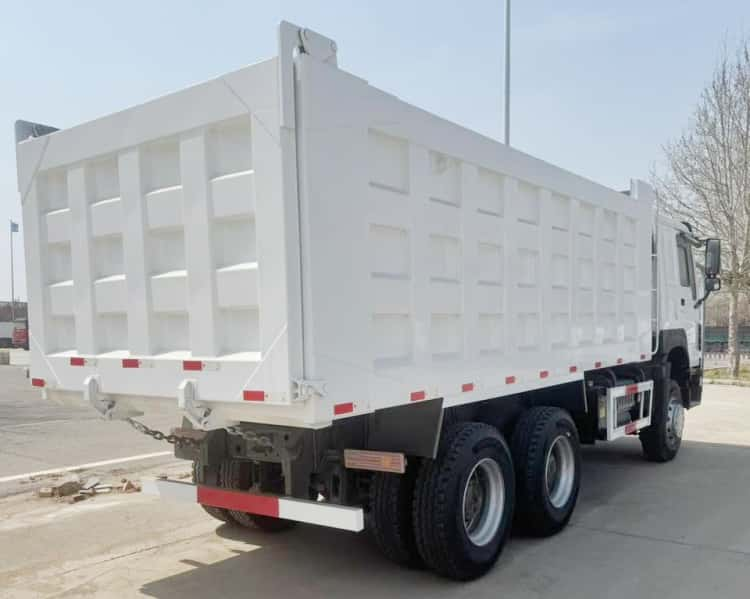
Choose the Right Shipping & Insurance Plan
China remanufactured truck are usually shipped via flat rack container, breakbulk or Ro-Ro vessel.
- Flat racks: common for dump trucks and heavy chassis, cost-effective but require careful securing.
- Ro-Ro: gentler for vehicles, often preferred for finished trucks, but less available at some port pairs.
- Cargo insurance: always purchase marine cargo insurance covering loss or damage during sea transit. Confirm coverage extends from factory yard to destination port.
- Transit time: account for shipping duration plus port congestion, which is common in many African gateway ports. Build buffer time into your project schedule.
Destination Port Clearance & Duty Payment
When the vessel arrives, you or your local clearing agent will handle customs entry.
- Engage an experienced local customs clearing agent familiar with reman / heavy commercial vehicle imports. A general clearing agent who mostly handles consumer goods may not know the special requirements for reman trucks.
- Customs will cross-check VINs, inspection certificates and reman documentation. If documents mismatch, the truck can be held, seized or revalued at a higher duty rate.
- Import duty and VAT are calculated based on customs valuation. Some officials may confuse certified China remanufactured truck with ordinary used trucks; your REMAN ROAD and test certificates help argue for correct classification.
- After clearance, arrange inland transport from the port to your yard or mine site.
Local Registration, Roadworthiness and Fleet Deployment
Clearing customs does not mean the truck is road-legal.
- Submit the full document set to your local transport authority for roadworthiness inspection and vehicle registration.
- Keep digital copies of the complete traceability dossier in your fleet management system.
- Follow the supplier’s recommended break-in schedule and shortened preventive maintenance intervals for dusty, heavy-duty African operating conditions.
- Register units for warranty activation and save contact details for spare parts supply.
Common Mistakes New Importers Must Avoid
- Assuming “remanufactured” has the same definition in China and your home country. Customs officers may use their own classification rules.
- Buying based only on low price, skipping pre-shipment inspection.
- Accepting generic test reports that are not tied to each truck’s unique VIN.
- Forgetting age or emission restrictions and ordering trucks that cannot be registered.
- Underestimating total landed cost: duty, port fees, clearing agent fees, inland haulage and inspection charges can add substantially to the budget.
- Relying on WhatsApp-only promises for warranty and after-sales support.
Closing
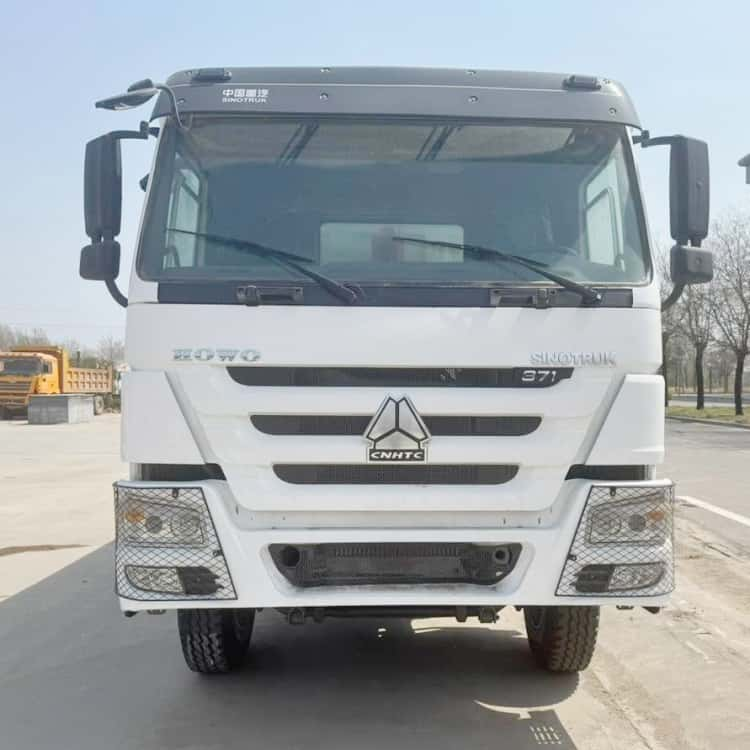
Importing China remanufactured truck is a practical capital solution for African fleets, but success depends on preparation before you buy. Start with your national import regulations, select a qualified remanufacturer, lock specifications and documents in a contract, complete independent pre-shipment inspection, and partner with an experienced local clearing agent.
With REMAN ROAD certified remanufacturing and correct cross-border documentation, you can import compliant, reliable heavy trucks, control CAPEX, meet tender ESG requirements and avoid costly port and registration headaches.