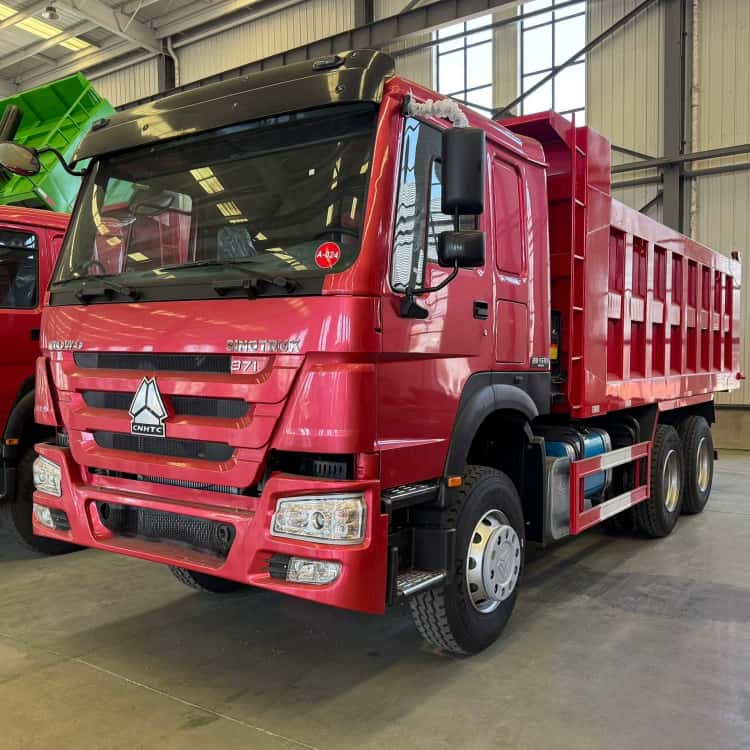
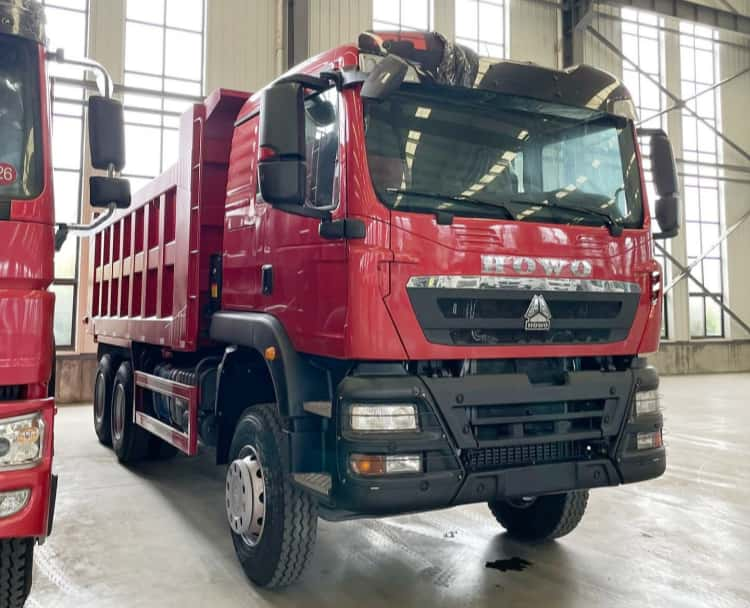
10 Key Factors to Check Before Buying Heavy Reman Trucks
Introduce
The market for heavy reman trucks is full of inconsistent quality. Many rebuilds look identical to certified heavy reman trucks on the surface, but skip critical engineering gates. A simple test drive or visual inspection is not enough to confirm value and safety. These 10 factors form a practical, audit-ready checklist. They help fleet buyers separate certified heavy reman trucks for sale from cosmetic repairs, partial overhauls and misrepresented used trucks before signing purchase agreements.
Core intake assessment and structural eligibility records
Start with the foundation: the original core that the heavy reman trucks is built upon. Request the formal intake assessment report. Confirm the frame, axle housings and other primary load-bearing structures passed screening, and that the core was not sourced from severely crashed, fire-damaged or chronically overloaded vehicles. If intake records are missing or vague, there is no reliable baseline for residual fatigue margin. Even a truck with many new parts cannot be trusted as genuine reman when the core itself is compromised.
Independent NDT non-destructive testing results
NDT is the only way to expose hidden microcracks, subsurface material defects and frame deformation that cannot be seen visually. Check that scans cover all critical load paths, not just a few random spots. Confirm the testing was performed by qualified inspectors, and the full dataset is linked to the truck’s VIN. Self-reported visual checks or basic road tests are not substitutes for formal NDT. Any heavy reman trucks without traceable NDT results carries unquantifiable structural risk.
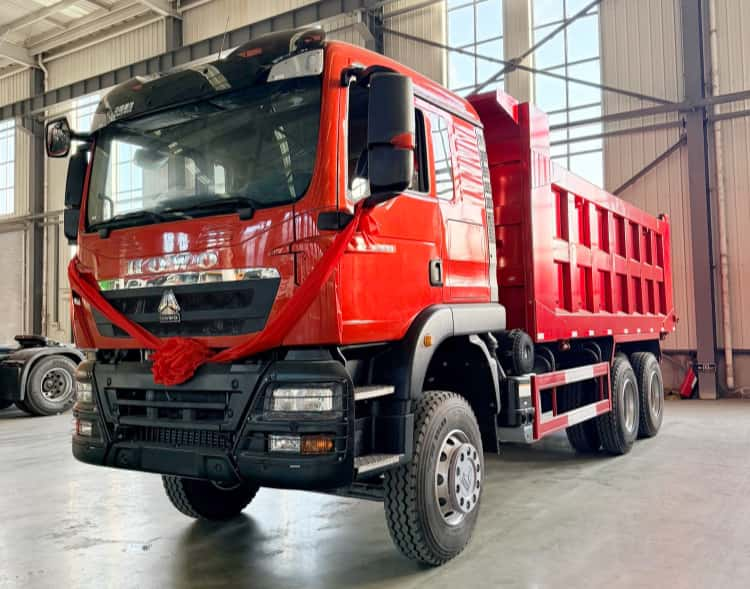
Component grading and mandatory replacement compliance
Every reman standard defines a clear list of time-limited, high-risk parts that must be renewed, regardless of outward condition. Ask to review the component grading log. Verify which parts were reused, which were regenerated, and which were fully replaced. Confirm the supplier did not skip mandatory replacements just to cut costs. A common market trick is swapping only obvious failed parts while retaining aging, fatigue-prone components. This creates a “fake reman” that will fail prematurely under load.
Full-system calibration and loaded performance validation
Individual components can pass bench tests yet fail when assembled into a complete vehicle. Check that the truck completed loaded, in-duty validation, not just idle checks or empty test drives. The test should verify thermal stability, driveline balance, braking performance, electronic coordination and fault codes under its rated working weight. Without system-level loaded testing, imbalances between powertrain, cooling and chassis can trigger unexpected breakdowns after delivery.
Complete, VIN-locked traceability package
Traceability is not a bonus document. It is the proof that the remanufacturing workflow was followed step by step. All inspection sheets, test reports, part certificates, machining records and calibration snapshots should be permanently tied to the unique VIN. The records should be accessible for auditors, financiers and future resale buyers. If documents are scattered, editable, or only provided as a summary certificate without raw supporting data, the traceability chain is broken.
Clear duty classification and operating envelope
Certified heavy reman trucks does not have unlimited working capacity. It is assigned a defined duty class based on its measured residual margin. Confirm the formal classification: approved payload, terrain type, cyclic load limits and maximum operating stress. Make sure this classification matches the routes and workloads your fleet plans to run. Deploying heavy reman trucks beyond its envelope accelerates fatigue, shortens service life and voids the reliability assumptions built into its TCO model.
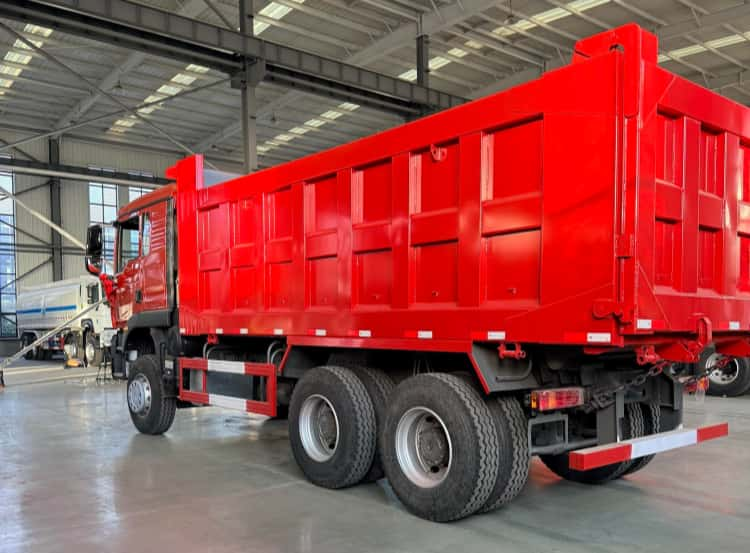
Warranty scope, triggers and exclusion clauses
Compare the warranty carefully against new-truck and ordinary used-vehicle coverage. Check what failures are covered, how long the term runs, whether coverage is tied to the reman reset date rather than the original manufacturing date, and what actions will invalidate the warranty. Pay close attention to exclusions: many rebuild sellers offer short, narrow warranties that exclude structural fatigue, system imbalance or overload-related damage. A vague warranty is a major red flag.
Residual value and depreciation modelling
Do not only focus on upfront purchase price. Ask the supplier to share a documented residual value forecast aligned with the reman standard. Genuine certified heavy reman trucks have predictable depreciation curves anchored to their lifecycle reset and duty records. Generic rebuilds have volatile resale value, often collapsing once hidden defects emerge. This forecast is critical for fleet rotation planning, financing decisions and long-term TCO calculation.
Supplier qualification and third-party audit history
Heavy reman trucks is only as reliable as the process that built it. Verify whether the supplier’s workflow is subject to recurring independent audits, not just one-time self-issued certification. Review their rejection rate for cores at intake, failure rate during final validation and historical fleet performance feedback. A workshop that audits itself can easily relax standards. Neutral third-party oversight keeps the whole remanufacturing workflow accountable.
Contract terms for liability and rework obligations
The final check sits in the purchase contract. Confirm who bears responsibility if post-delivery inspection reveals non-compliance with the reman standard. Clarify obligations for rework, replacement, refund or corrective action when the asset fails to meet the documented acceptance criteria. Avoid contracts that shift all latent-defect risk fully to the buyer immediately after delivery. Clear liability rules turn the technical verification into enforceable protection.
Closing thought
Buying heavy reman trucks for sale is not about finding the lowest price. It is verifying that the asset has completed a disciplined, auditable lifecycle reset. These 10 factors separate certified remanufacturing workflow from superficial rebuilds. Working through them before purchase protects your fleet from hidden downtime, unexpected cost shocks and the risk of paying reman pricing for a high-risk used truck.