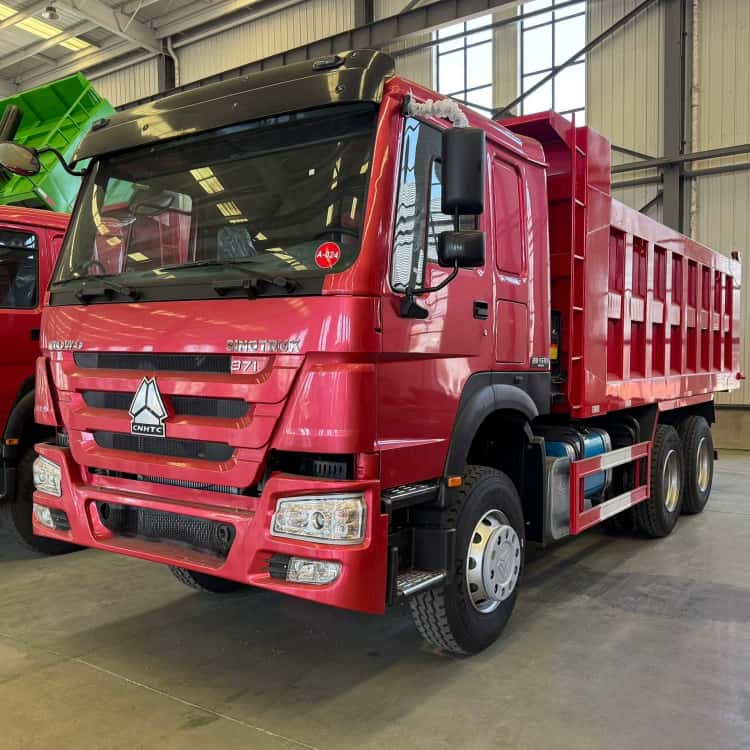
Affordable Reman Construction Trucks for Small & Medium Engineering Fleets
Introduce
Small and medium engineering fleets operate under unique financial pressure. Tender cycles are short, project income is uneven, and capital is rarely available for buying multiple brand-new construction trucks. Many operators fall into two familiar traps: stretching budgets thin on new tippers and carrying heavy loan burdens, or buying cheap uninspected used trucks that break down mid-project and trigger costly delays.
REMAN ROAD certified reman construction trucks offer a balanced alternative. They are priced to fit modest fleet budgets, simple enough for local technicians to service, and validated with fixed engineering gates to avoid the unpredictable downtime of ad-hoc rebuilds. This makes them ideal for project-based earthworks, road building, site clearance and aggregate haulage.
Core pain points these reman construction trucks solve for SME engineering fleets
Small engineering businesses cannot absorb the same risk as large mining or logistics groups. Cash flow is king. A single unexpected major repair can wipe out the profit from an entire construction contract. Fleet size is usually small. Many run 2–6 trucks, so one vehicle offline directly cuts the team’s ability to hit project milestones. Work sites are variable. One month may be a graded highway construction yard, the next a muddy rural feeder road or sand quarry stockpile.
Affordable heavy reman construction trucks is built for this volatility. It keeps entry cost low, downtime risk bounded, and maintenance predictable, without locking the operator into long, inflexible asset commitments.
Recommended heavy reman construction trucks for SME engineering work
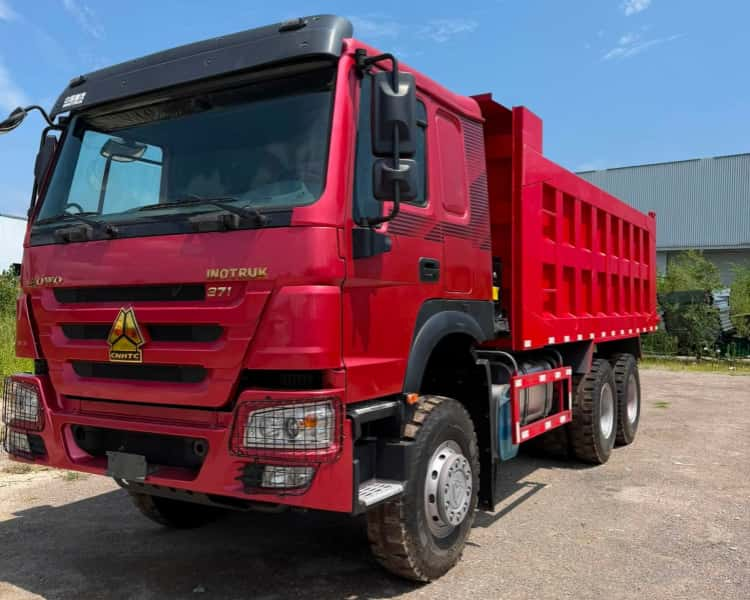
Classic Reman Howo 371HP 6×4 Tipper
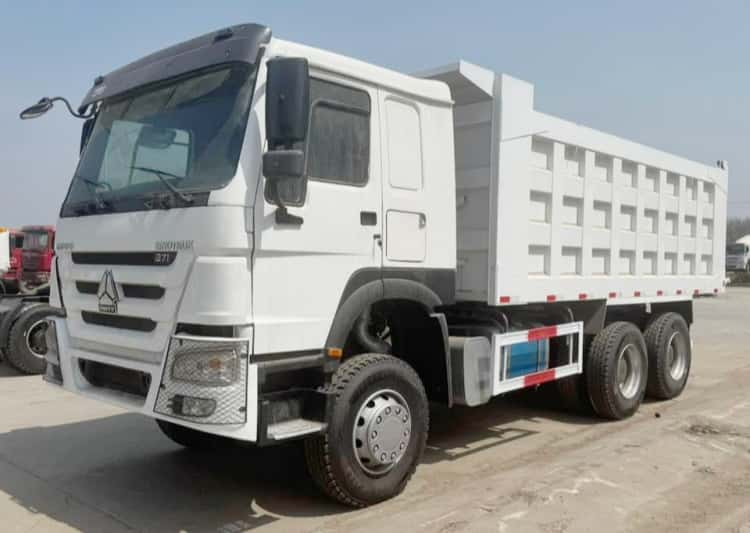
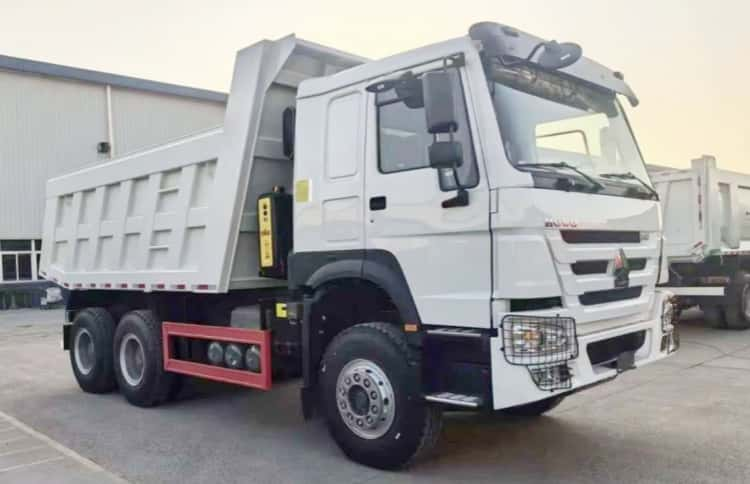
This remains the default entry workhorse for small engineering fleets. Its mechanical Weichai engine and manual transmission are widely understood by local mechanics. Filters, brake parts, hydraulic hoist kits and axle spares are low-cost and easy to source across most regional markets. Under REMAN ROAD standard, frame NDT, suspension pin and bushing replacement, plus full hydraulic system testing are mandatory. Best for: Sand, gravel, spoil removal, short-distance site haul. Limit: Not built for continuous heavy shock pit extraction.
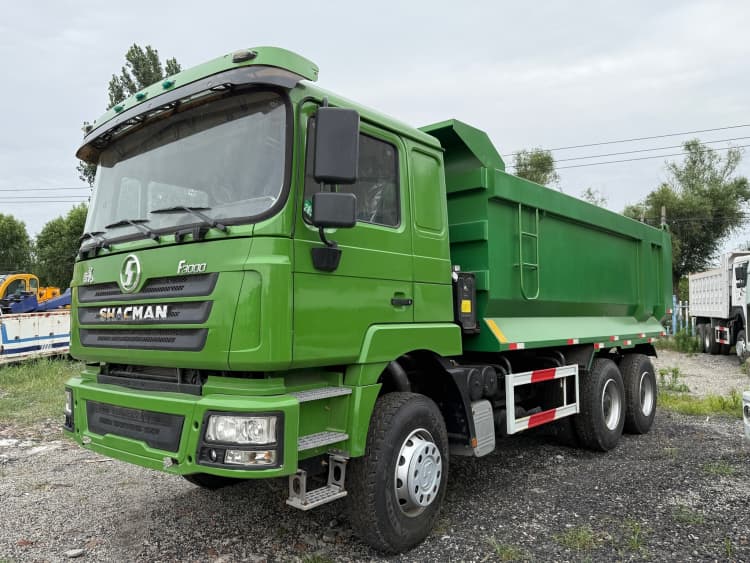
Reman Shacman F3000 6×4 Tipper
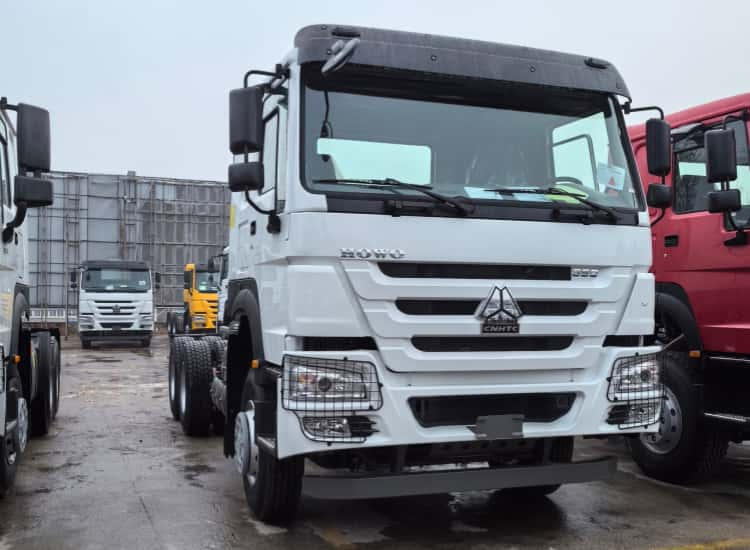
Preferred for fleets that regularly operate on ungraded, bumpy construction access tracks. The reinforced leaf spring suspension handles repeated impact better than the classic Howo 371. It maintains stable traction on wet, muddy site entry roads. Parts overlap with the broader Shacman ecosystem, so operators already running one F3000 can expand their fleet without building a totally separate spare inventory. Best for: Rural road projects, land reclamation, remote building sites. Limit: Slightly higher reman cost than the older Howo 371.
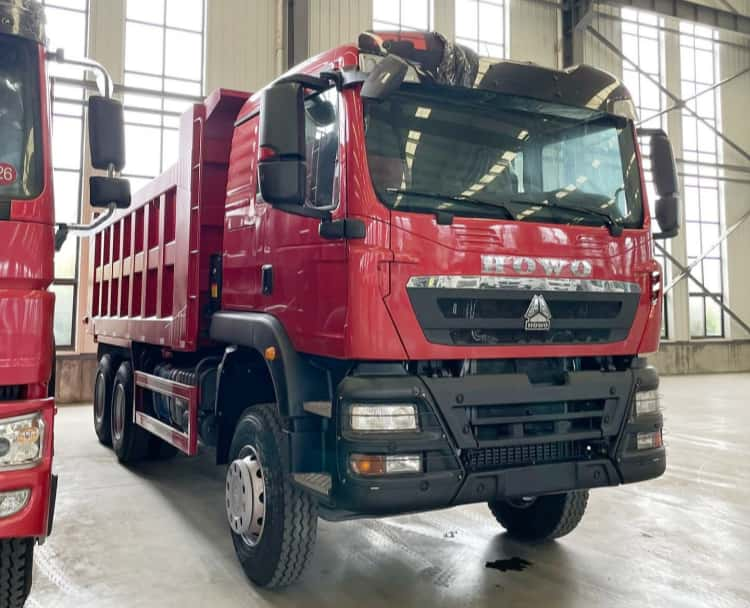
Reman Howo TX 6×4 Tipper
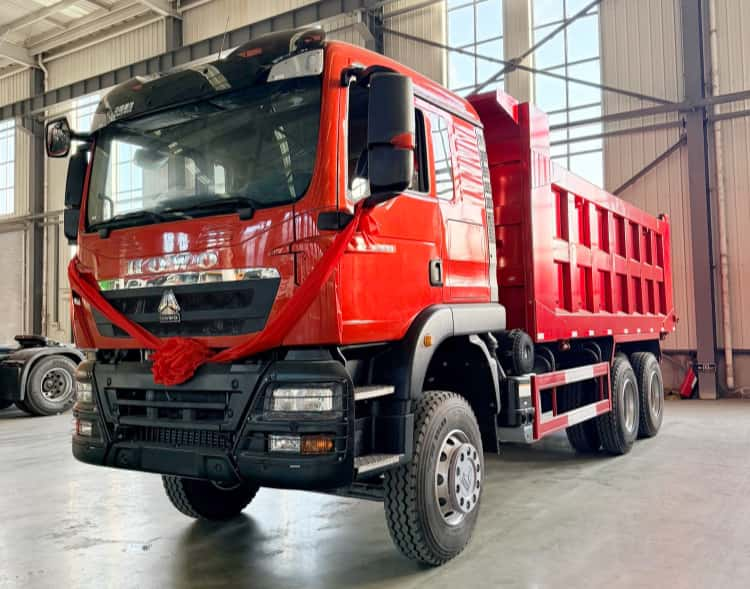
The mid-tier upgrade for SMEs that need higher daily throughput. It has improved dust sealing, better cooling and consistent torque for steady cycles. It is a good pick when contract volumes increase, but the business is not ready for premium-priced heavy trucks. Reman validation focuses on brake cooling and driveline alignment, which are heavily stressed under repeated construction-site loading. Best for: Larger earthwork packages, fixed construction yards with well-maintained haul routes. Limit: Higher purchase cost than the two budget options above.
Why certified reman construction trucks suits incremental fleet expansion?
Most small engineering fleets grow project by project, not through a one-time bulk purchase. Certified reman construction truck supports this step-by-step scaling. Instead of buying three new trucks in one year and draining working capital, operators can add one certified reman construction truck when a new tender is awarded.
Each certified reman construction truck carries a flat depreciation curve and smaller financing payments. The fleet avoids the new-truck depreciation cliff, and keeps cash available for fuel, labour, loader hire and site mobilisation. This incremental model also limits risk. If a project is delayed or cancelled, the fleet is not stuck with large ongoing loan obligations.
Simplified maintenance and spare inventory
For SME fleets, maintenance complexity is a hidden cost. When trucks are mixed random used models, the workshop must stock dozens of unique spare SKUs and technicians spend extra time diagnosing unfamiliar faults.
By standardising around one platform (such as Howo or Shacman), the fleet can hold a small, focused stock of wear parts: springs, brake linings, seals, filters and hydraulic fittings. Service checklists are identical across reman construction trucks in the same duty class. Training is minimal, and diagnostic work speeds up.
This is a major advantage over assembling a fleet from assorted second-hand trucks of different brands and generations.
Duty matching rules for engineering project work
Construction sites shift quickly, and that is where many SME buyers make mistakes. Each certified reman truck has a defined duty classification.
- Medium-duty reman construction trucks work reliably on graded site roads, stockpile transfer and aggregate haul.
- They are not designed for continuous jarring rock loading in blast pits. When the project scope changes, the fleet manager should reassign assets accordingly. Reserve any new heavy trucks for the harshest phases, and deploy reman construction trucks for the steady, repeatable haul legs.
Overloading is the biggest risk on construction sites. Even a well-built reman construction truck will suffer accelerated frame and suspension fatigue if payload limits are ignored to speed up delivery.
What to verify before purchase for SME fleets?
Small operators often lack dedicated procurement teams, so these checks are especially critical:
- Confirm VIN-linked NDT frame scan results, not just visual inspection.
- Review the mandatory replacement list for suspension, brake and hydraulic wear items.
- Check loaded site test records, not only idle engine checks.
- Confirm the warranty start date aligns with the reman reset date, and understand exclusions for overload damage.
- Confirm local spare availability for the exact model, before committing.
A cosmetic rebuild may look clean and carry a low price, but it exposes a small engineering business to catastrophic downtime risk it cannot afford.
Closing thought
For small and medium engineering fleets, affordable reman construction trucks are not a compromise choice. They let operators build capacity gradually, preserve working capital, standardise maintenance and control TCO. The classic Howo 371 and Shacman F3000 are the budget staples, while Howo TX fill higher-throughput or tight-access project niches.
The value comes only when the reman construction truck is fully verified and operated within its duty envelope. For project-based engineering businesses, this creates a flexible, cash-friendly fleet model that aligns with uneven contract revenue and shifting site demands.