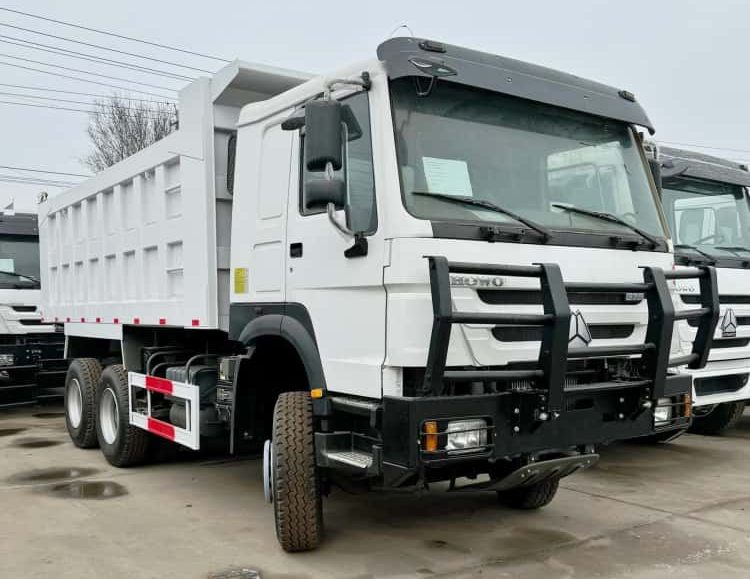
How to Pick Reliable Remanufactured Trucks for Mining & Construction Projects?
Introduction
Mining and construction duty cycles are among the harshest for heavy trucks: continuous overload risk, unpaved rough terrain, steep gradients, heavy dust, high ambient heat and long remote shifts. A breakdown on-site means stalled excavation, delayed material haulage, idle crews and steep financial penalties. Unlike highway logistics fleets, mining and construction buyers cannot prioritise price alone.
This guide focuses on selecting REMAN ROAD reliable remanufactured trucks purpose-fit for site duty, covering core screening, configuration matching, critical component validation, on-site test criteria and contract safeguards tailored to mining and construction operations.
Start With Core Eligibility: Not Every Truck Core Suits Site Work
The foundation of reliable remanufactured trucks is a sound core. Many reman trucks sold for highway haulage are not built for off-road abuse.
- Prioritise heavy-duty chassis originally engineered for mining, dump and construction haulage, not light highway tractor cores.
- Reject cores with prior rollover, frame cracking, serious front-end impact or prolonged overloading history. Review the core intake grading report before committing.
- Confirm the core has sufficient structural reserve. NDT inspection (ultrasonic and magnetic particle) on frame rails, axle housings, crankshafts and gear casings is non-negotiable for mining use. Hidden metal fatigue will fail rapidly under cyclic off-road loading.
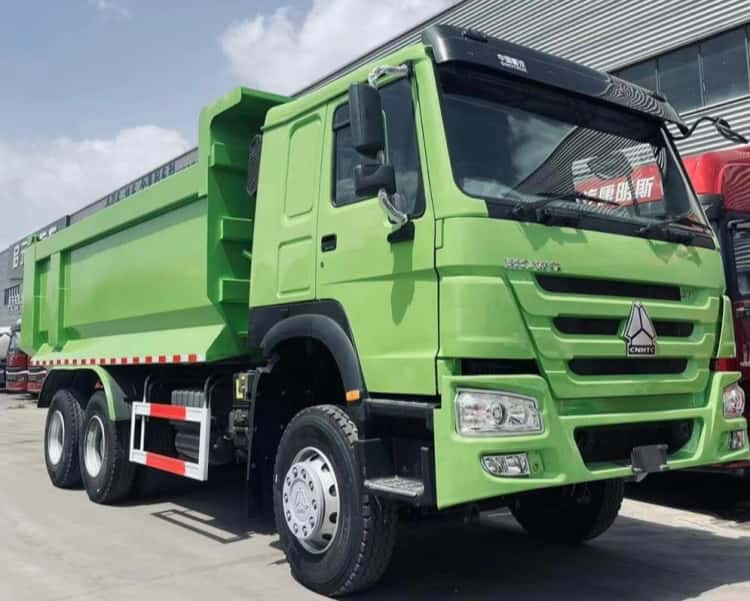
Match Specifications to Your Exact Site Working Conditions
A reliable remanufactured truck that works well on paved roads may struggle on mine benches or muddy construction yards. Work through these configuration points with the supplier:
- Axle ratio: Choose lower, torque-focused axle ratios for steep ramps and slow heavy haul, rather than high-speed highway gearing.
- Cooling package: Upgrade reinforced radiators, auxiliary oil coolers and heavy-duty fan assemblies for sustained low-speed, high-load operation and hot climates.
- Filtration system: Heavy-duty multi-stage air filtration to block fine mine dust; dust is the top cause of premature engine wear on site.
- Suspension: Reinforced leaf spring and heavy-duty shock setups, suitable for uneven ground; avoid lightweight highway suspension designs.
- Tyres and wheel hubs: Off-road tread patterns, reinforced rims and heavy-duty wheel bearings rated for site payloads.
- Powertrain calibration: Request tuning optimised for low-end torque, frequent start-stop cycles and poor-quality local fuel, not maximum highway fuel economy.
Clearly communicate your site type: open-pit mine, underground access haul, quarry, road construction or concrete supply, so the supplier does not send highway-spec reman units.
Mandatory Component Checks for Mining & Construction Remanufactured Trucks
Site failures most often occur on load-bearing and wear-critical assemblies. Under REMAN ROAD standards, these parts follow strict renewal rules for heavy site duty:
- All fatigue-limited consumables: bearings, seals, gaskets, brake linings, slack adjusters, hydraulic hoses and fasteners must be replaced with OEM-grade new parts. Reused aged consumables are a major failure risk.
- Brake system: Full brake overhaul, load-sensing brake valves and heat-resistant brake components. Continuous downhill hauling creates extreme brake heat and fade risk.
- Hydraulic tipping system (for dumpers): Bench-tested cylinders, pumps and control valves, with leak pressure testing.
- Transmission and transfer case: Full disassembly, inspection, gear backlash measurement and dyno validation. Frequent shifting under heavy load destroys worn gear sets quickly.
- Electrical and wiring harness: Sealed, dust-proofed wiring, waterproof connectors and corrosion protection; open wiring fails fast in dusty, muddy sites.
Verify Performance Proof Beyond Cosmetic Condition
Paint, new decals and clean cabins do not equal site reliability. Demand unit-specific, VIN-linked records:
- CMA-accredited NDT reports for all high-stress structural parts
- Engine dyno test curve confirming torque delivery at low RPM
- Full bench test records for gearbox, brakes and hydraulics
- Loaded road test that simulates site operating cycles: climbing, repeated tipping, stop-start heavy load runs
- Complete traceability manifest showing every renewed component
For mining fleets, these documents are also frequently required for project tender audits and site safety compliance reviews.
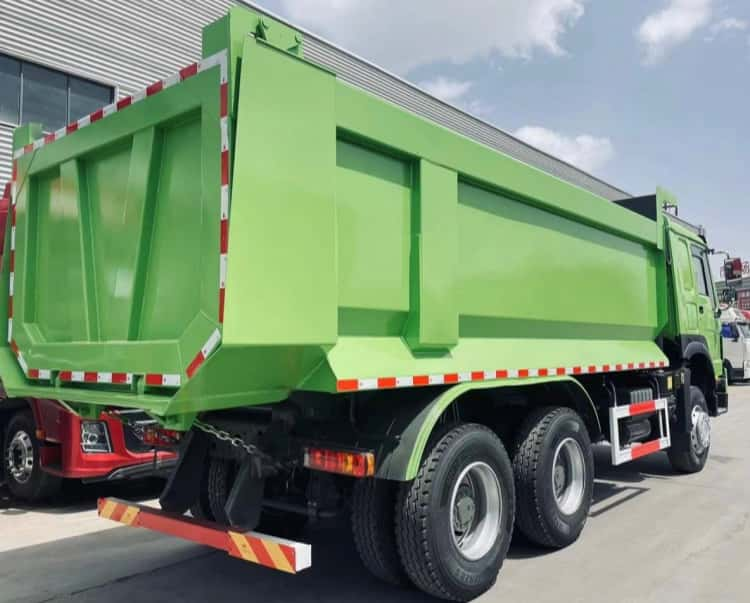
Prioritise Warranty & Local Support for Remote Sites
Mining and construction sites are often hundreds of kilometres away from service centres. This changes what “good warranty” means:
- Confirm the warranty covers heavy-duty site use; many generic reman warranties exclude off-road, mining or overload damage.
- Clarify covered assemblies, claim response time, spare parts supply channel and on-site repair support.
- Prefer suppliers with regional spare parts stock for your project area. Waiting weeks for a single component can shut down the whole hauling circuit.
- Confirm warranty transferability if assets will move between project sites or be resold after contract completion.
Pre-Shipment Inspection: Site-Focused Test Items
When arranging third-party pre-shipment inspection, tell the inspector this is a mining/construction unit, so they focus on site failure points:
- Extended low-RPM load test to check for overheating
- Sustained brake test for heat build-up
- Hydraulic tipping cycle test (multiple full load raise/lower cycles)
- Check for oil leaks at crankshaft seals, axle hubs and hydraulic connections
- Listen for abnormal gear or bearing noise under load
- Confirm dust seals, rubber guards and cable protection are correctly fitted
Do not accept only static visual checks.
Key Red Flags to Reject Immediately
- Supplier offers highway-spec remanufactured trucks and claims they “can work on mine sites” with no configuration upgrades
- No NDT records for the chassis frame
- Refuses to upgrade air filtration, cooling or braking systems for dust and downhill haulage
- Only provides an engine overhaul certificate, with no full chassis and axle inspection records
- Warranty explicitly excludes off-road or mining applications
- Cannot supply spare parts lead time for your project region
Post-Delivery Preparation Before Site Deployment
Even qualified reliable remanufactured trucks need site handover work:
- Carry out a yard acceptance test before sending to the pit or construction zone
- Load your fleet management system with the full traceability dossier and custom preventive maintenance schedule (shorter service intervals for dust and heavy load)
- Train on-site mechanics on the reman component layout and recommended inspection points
- Set baseline records for fuel consumption, exhaust temperature and brake performance to spot early degradation
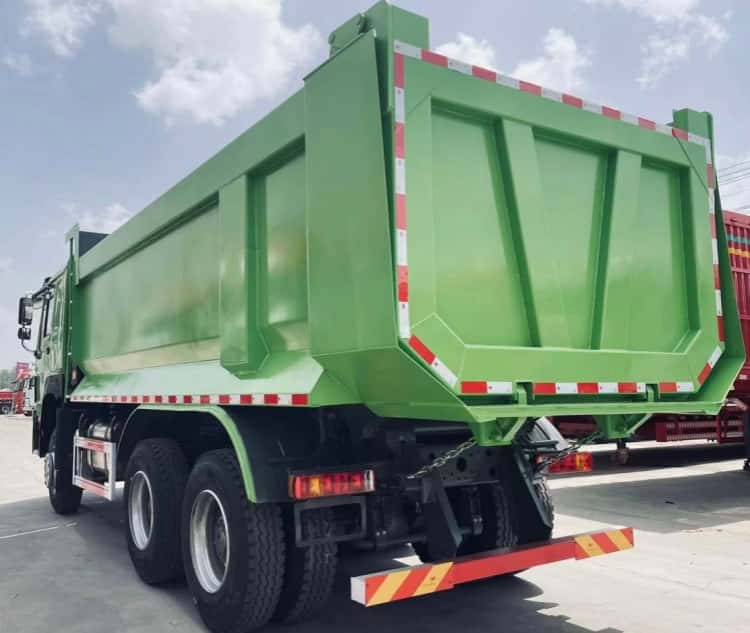
Closing
Mining and construction projects demand reliable remanufactured trucks built and validated for cyclic heavy load, dust, heat and rough terrain. Reliability starts with selecting suitable heavy-duty cores, matching site-specific configurations, completing full NDT fatigue screening and validating powertrain, brake and hydraulic performance.
With REMAN ROAD certified reliable remanufactured trucks and the right after-sales support, mining and construction fleet owners can control CAPEX, meet tender ESG requirements and avoid crippling unplanned downtime that threatens project schedules.