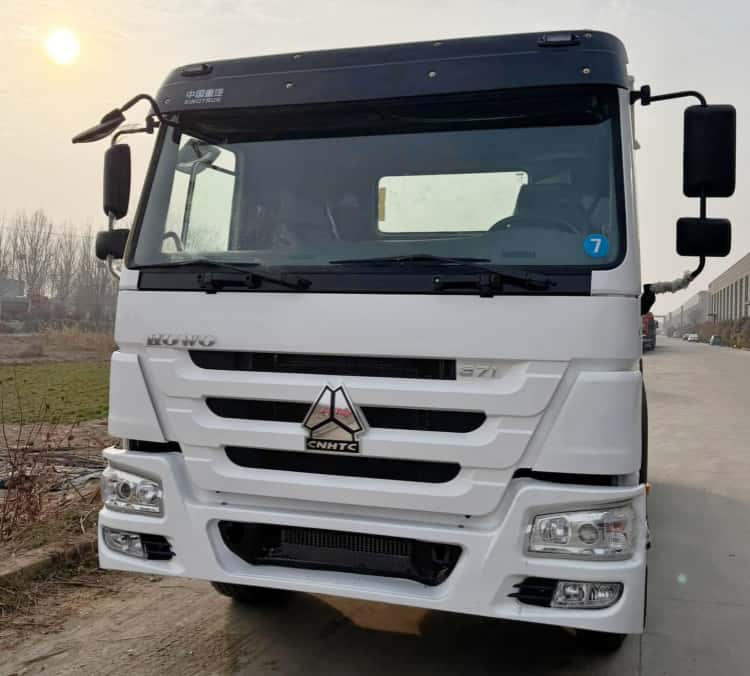
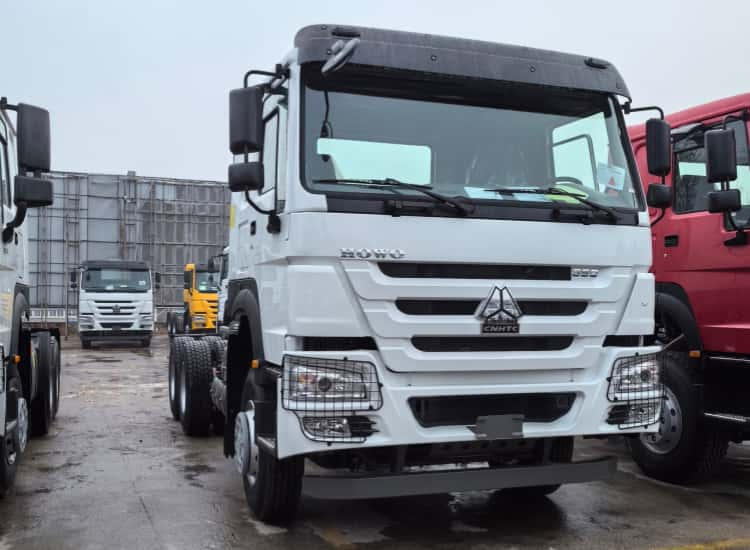
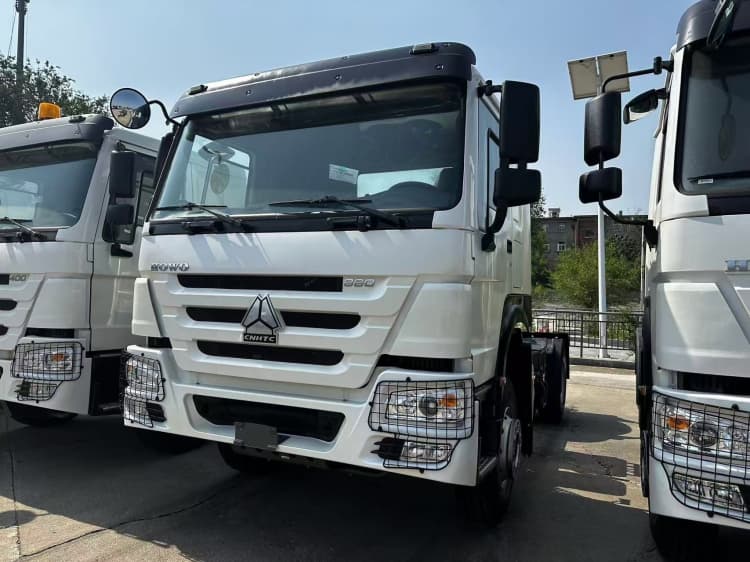
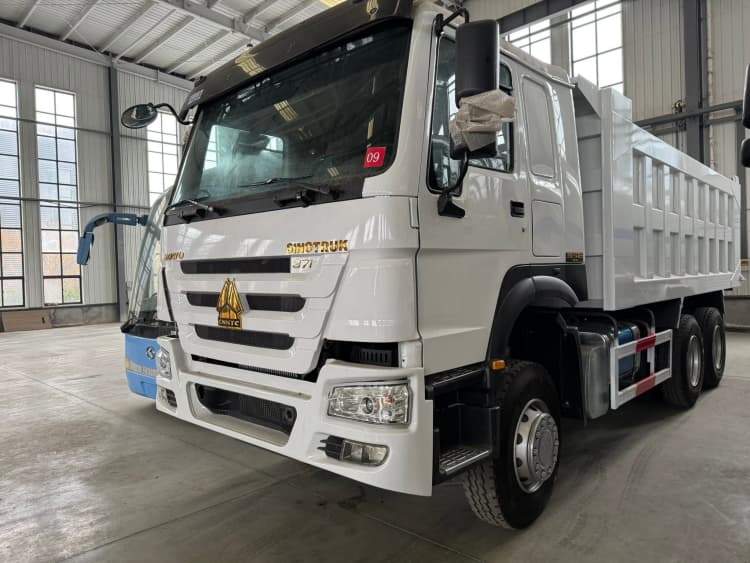
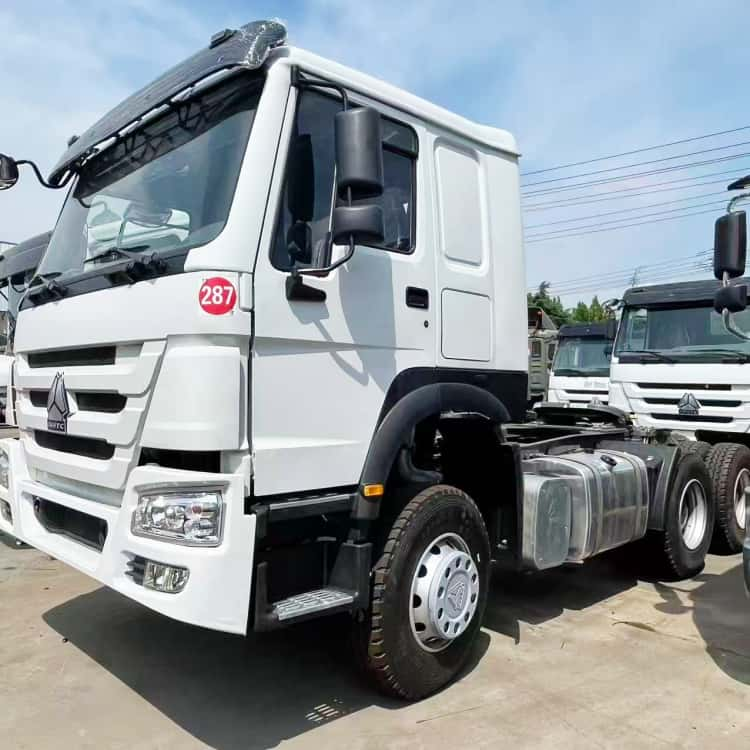
Annual Profit Analysis for Quarry Owners Using Reman Tipper Trucks
Introduce
Quarry operations are heavily dependent on tipper truck performance. Every truck is a direct revenue-generating unit. Many quarry owners default to new tippers or low-cost second-hand units, but both carry distinct profit drags. New tippers lock in heavy capital cost and steep depreciation. Uncertified used tippers bring unpredictable downtime that cuts haul cycles and misses production targets.
Certified reman tipper trucks built to a defined duty envelope create a middle path. This annual profit analysis breaks down how certified reman tipper trucks shift the quarry’s income and cost structure, with clear links to real quarry-site operating conditions.
Core revenue assumption: profit comes from completed haul cycles
In a quarry, revenue is not measured by truck ownership. It is measured by the number of payloads moved per year. Each tipper has a practical annual cycle capacity: trips per day, working days per year, tonnage per load. New trucks can hit full cycle targets, but their capital cost eats heavily into the margin per tonne. Generic used tippers may look cheap, but unplanned breakdowns reduce the total completed cycles. Lost trips cannot be recovered easily, especially when crushing and loading plants are already running.
Certified reman tipper trucks, when matched to their approved off-road medium-duty classification, deliver stable cycle output. They avoid the steep depreciation of new units, while holding downtime risk within predictable bounds. This preserves the revenue base while lowering the fixed cost burden.
Key cost buckets that shape quarry profit
Four major cost groups drive the annual maths for quarry tippers.
- Capital-related cost: depreciation, loan interest, lease payments and insurance. Reman tipper trucks carry a much lower starting book value. Their depreciation curve is flat, and financing repayments are lighter. This reduces the fixed annual cost even if the truck works the same number of shifts.
- Maintenance and repair expense. New tippers run mostly under OEM warranty early on, but warranty expires, and OEM spare parts are expensive. Generic used tippers have erratic repair bills, with sudden expensive structural or powertrain failures. Certified reman tipper trucks follows a fixed maintenance schedule tied to the reset baseline. Mandatory wear items are replaced on schedule, and system calibration reduces premature component failure. Repair spending becomes forecastable, not a surprise expense.
- Downtime opportunity loss. This is often the largest hidden profit killer for quarries. When a tipper breaks down, the loader, crusher, site staff and haul route are still active. The quarry loses the margin from every missed load. Certified reman tipper truck’s intake screening, NDT and loaded site validation reduce unplanned downtime frequency. The risk is bounded, unlike unvetted used trucks where a single frame crack can take a truck out of service for weeks.
- Variable operating cost: fuel, tyres and site consumables. Reman tipper trucks pass system and emissions calibration gates, so fuel consumption stays within the expected range for the duty class. Poorly executed rebuilds often burn extra fuel, which quietly erodes per-tonne profit. Standardised reman avoids this penalty.
Profit comparison logic: new, used and certified reman tipper truck
For a quarry fleet, the comparison is not just total cost. It is net profit per available truck, per tonne moved.
New tipper profile: High annual capital and depreciation cost. Low downtime risk in early years. High reliable output, but the margin per tonne is compressed by large fixed asset payments. Best reserved for the harshest, highest-shock quarry zones where full factory margin is required.
Uncertified used tipper profile: Low upfront outlay. High variance in downtime. Annual repair cost is volatile. In good months it looks profitable; one major breakdown can erase months of gains.
Certified reman tipper truck profile: Moderate fixed capital cost. Predictable maintenance. Controlled downtime risk. It delivers the highest incremental profit for stable, repetitive haul runs within its approved duty envelope. Many quarries use reman tipper trucks for regular stockpile-to-crusher, or short-haul overburden movement where workload is consistent.

Duty matching is the profit make-or-break rule
A reman tipper truck’s profit advantage vanishes if it is pushed beyond its classified envelope. Quarry sites have wide variation: sharp rock impacts, uneven ground, frequent heavy shock loading and continuous cyclic stress. If a reman tipper truck rated for medium off-road duty is assigned to the roughest blast-pit extraction runs, residual margin burns rapidly. Breakdown frequency rises, repair bills jump, and the annual profit advantage disappears.
The profitable model is tiered deployment. New tippers take the high-shock pit extraction routes. Certified reman tipper trucks handle the steady, less violent internal site haulage. This portfolio split maximises the total fleet profit.
Cash flow and tax impacts on annual profit
Quarry owners also feel the difference on cash flow and accounting. Lower upfront spend on reman tipper trucks means less cash tied up in assets. Working capital stays available for blasting, crusher maintenance, fuel stock and site expansion. Depreciation schedules are gentler. The business avoids the large early-year write-downs that come with new heavy equipment. For many operators, this smooths taxable profit and reduces the risk of negative equity if assets need to be rotated or sold mid-cycle.
ESG and tender side benefits for quarry revenue
Many quarry supply contracts now require sustainability disclosures. Certified reman tipper truck’s traceable lifecycle reset creates auditable embodied carbon savings. The quarry can demonstrate circular procurement, which helps qualify for tender awards with green supply requirements. This does not directly reduce fuel cost, but it protects or expands revenue streams that would otherwise be closed to operators using unregulated used trucks.

Common pitfalls that ruin reman profit
- Buying low-grade rebuilds marketed as reman: low purchase price, high downtime and unpredictable repair bills.
- Mixing duty classes: running reman tippers in the harshest pit zones.
- Skipping verification: no NDT records, no duty classification, no post-reset test logs.
- Poor fleet mixing: using reman for all tippers, with no new high-margin units for extreme workloads.
Closing thought
For quarry owners, annual profit from tipper trucks depends on balancing haul output, fixed capital cost, repair spend and downtime risk. Certified reman tipper trucks do not outperform new trucks in every quarry zone. But for stable, repetitive medium-duty site haulage, they deliver a compelling annual profit uplift: lower depreciation, predictable maintenance, bounded downtime risk and controlled capital outlay.
The profit gain is not automatic. It is unlocked when reman tipper trucks are properly classified, verified and assigned to workloads that match their residual structural margin.