Does Investing in Remanufactured Lorry Reduce Overall Business Operating Costs?
Introduction
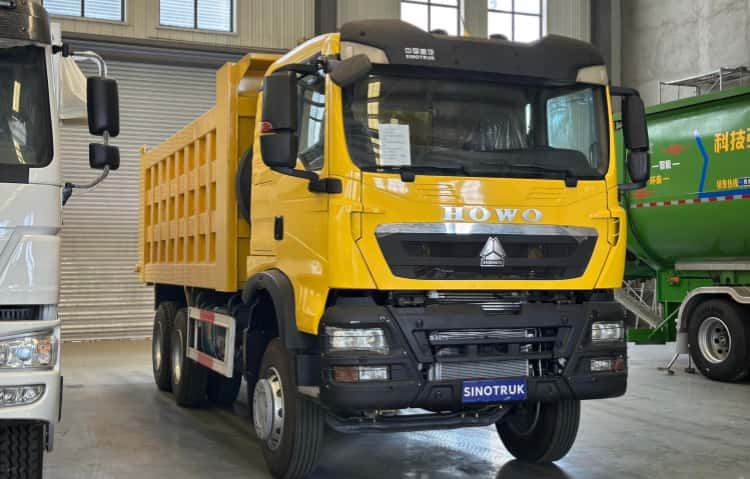
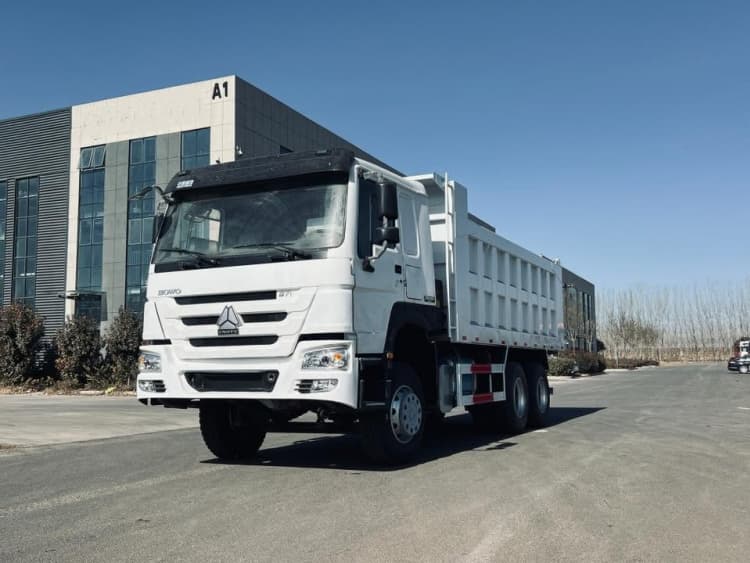
Transport and logistics operators constantly balance two competing pressures: controlling capital expenditure and keeping vehicle uptime high. When fleet renewal time arrives, business owners naturally ask whether heavy remanufactured lorry for sale can deliver real operating-cost savings, or if they simply trade lower upfront purchase prices for expensive repairs and reliability headaches later.
The short answer is that certified remanufactured lorry for sale can reduce overall operating costs, but this outcome is not automatic. It depends heavily on reman quality, the supplier’s process compliance, how the vehicle is deployed and how the fleet team manages ongoing maintenance. A heavy remanufactured lorry for sale built to recognised standards resets critical component service life, stabilises fuel consumption and lowers unplanned breakdown frequency.
By contrast, a superficially rebuilt unit with skipped inspection steps may push operating costs higher than running a well-maintained ordinary used lorry. To judge the business case fairly, operators need to look beyond the invoice price and analyse full total cost of ownership across fuel, maintenance, downtime, insurance, depreciation and eventual resale value.
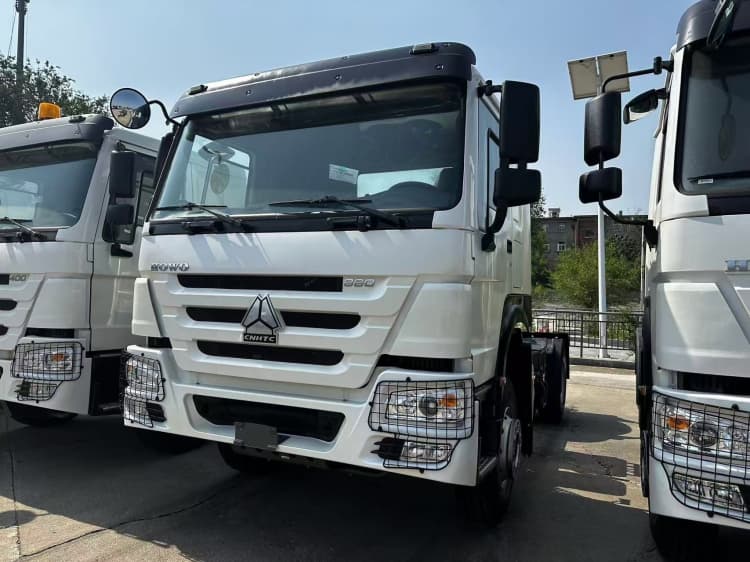
Where the Operating Cost Savings Come From?
The most immediate and measurable savings stem from the reset performance of high-value assemblies, especially the engine, gearbox and axle groups.
- A lorry that has accumulated hundreds of thousands of kilometres suffers gradual internal wear: worn piston rings, degraded injectors, leaking seals and fatigued valve components all increase fuel burn.
- In a proper truck remanufacturing workflow , these parts are fully disassembled, inspected against engineering limits, machined or replaced, calibrated and hot-run tested.
- The result is combustion efficiency much closer to that of a new lorry, which shrinks monthly fuel expenditure — usually the single largest operating cost for road transport firms.
Next comes reduced unplanned maintenance spend.
- Ordinary second-hand lorries carry hidden wear defects that surface unpredictably on the road. A roadside breakdown triggers a chain of costs: emergency call-out fees, tow charges, spare part rush delivery, driver idle pay and, critically, late delivery penalties or lost customer contracts.
- Certified heavy remanufactured lorry for sale removes latent failure points by proactively replacing time-limited wear parts rather than only fixing components that have already failed. Scheduled service becomes more predictable, and the frequency of disruptive roadside failures falls. For fleets running tight delivery schedules, the value of avoided downtime often outweighs the direct savings on parts and labour.
Depreciation and residual value form another important saving bucket.
- A standard used lorry depreciates continuously based on its original age and accumulated mileage.
- A properly documented certified remanufactured lorry decouples part of that value loss, because buyers and asset valuers price it around the verified post-reman condition rather than the factory build date. It holds a higher residual value at trade-in or resale, lowering the net amount the business writes off over the ownership period. This is easy to overlook in monthly cash-flow tracking, but it has a meaningful impact on multi-year operating results.
There are secondary savings as well. Consistent, leak-free operation reduces fluid consumption including engine oil, coolant and hydraulic oil. Reliable emissions performance helps avoid regulatory fines for excess smoke or failed emissions testing. Transferable warranty coverage on reman assemblies can also reduce insurance premium adjustments and limit exposure to large unexpected repair bills.
Scenarios Where Reman Lorries Fail to Lower Costs?
Many operators hear negative stories about heavy remanufactured lorry, and nearly all of these cases trace back to low-quality rebuilds marketed as remanufacturing. If a supplier skips full disassembly, reuses borderline core components, fits cheap uncalibrated replacement parts or omits post-assembly performance testing, the lorry may look clean on arrival but degrade rapidly. Fuel consumption will climb again within months, and repeated component failures create a cycle of repair bills and downtime that pushes total operating costs above the baseline of a well-serviced used truck.
Duty-cycle mismatch is another common pitfall. A remanufactured lorry built for light regional delivery will not deliver savings if assigned to heavy bulk haulage, hilly routes or long-haul nonstop runs. The design margins and component grading must match the intended work. A remanufactured lorry under-specified for its duty will wear faster, requiring frequent component replacement and erasing any financial benefit.
Poor after-sales support also undermines the business case. If the supplier is distant, slow to supply matching spare parts or unresponsive on warranty claims, even a high-quality certified remanufactured lorry becomes expensive to operate. Small transport businesses without in-house specialist mechanics are especially vulnerable to this risk.
It is also important to recognise the fixed costs that reman does not change. Road tax, standard insurance base premiums, toll fees, driver wages and scheduled consumable replacement such as tyres, wiper blades and brake pads still accrue at roughly normal rates. Reman does not cut every line item; it targets the variable costs driven by mechanical wear and reliability failures.
How to Structure Your Evaluation for Your Own Fleet?
To answer the question for your specific business, build a side-by-side TCO model over your planned holding period, typically 2 to 4 years for most road lorries. Compare three options: a brand-new lorry, a certified certified remanufactured lorry for sale and a carefully selected used lorry with solid service history. Use realistic local cost inputs: fuel price per litre, hourly downtime cost, labour rates, parts lead times and expected residual value.
When reviewing a reman offer, prioritise verifiable documentation. Ask for core grading records, component replacement manifests, compression and pressure test reports, hot-run test logs and clear warranty terms. Confirm whether the warranty is transferable and whether it covers labour as well as parts. Without this paperwork, you cannot reliably distinguish certified remanufactured lorry from cosmetic overhaul, and you should treat the asset as a standard used lorry in your financial model.
You should also define KPIs to track after purchase. Monitor weekly fuel consumption, unscheduled workshop visits, mean time between failures and fluid top-up rates. If the remanufactured lorry’s performance metrics do not meet your forecast within the first six months, you can adjust your fleet strategy before locking in long-term losses.
Practical Operating Rules to Lock in the Savings
Buying a certified remanufactured lorry is only half the equation; disciplined fleet management protects the expected cost advantage. Stick strictly to the supplier’s recommended service intervals, use the specified grade of lubricants and filters, and train drivers to avoid aggressive driving patterns that accelerate powertrain wear. Keep all service records linked to the reman traceability file, because complete documentation preserves residual value when you later sell or trade the vehicle.
Avoid mixing reman lorries into your fleet without clear asset accounting. Track their operating data separately from ordinary used lorries, so you can accurately measure whether the expected savings are being realised. This data will guide your next round of fleet purchasing decisions: whether to expand the reman share of your fleet, stick with used vehicles or prioritise new OEM equipment.
Final Takeaway
Investing in a heavy remanufactured lorry can reduce overall business operating costs, but the benefit is conditional. The savings appear when the lorry follows standardised reman protocols, is matched to its duty cycle, comes with traceable test records and is supported by responsive warranty and parts supply. When shortcuts are taken, reman becomes a high-risk purchase that increases downtime and repair expenditure.
For most mid-sized transport operators, the sweet spot lies in using certified reman lorries to refresh the fleet without the massive capital outlay of new vehicles, while building TCO models and quality checks to ensure the promised operating savings actually land on the bottom line.