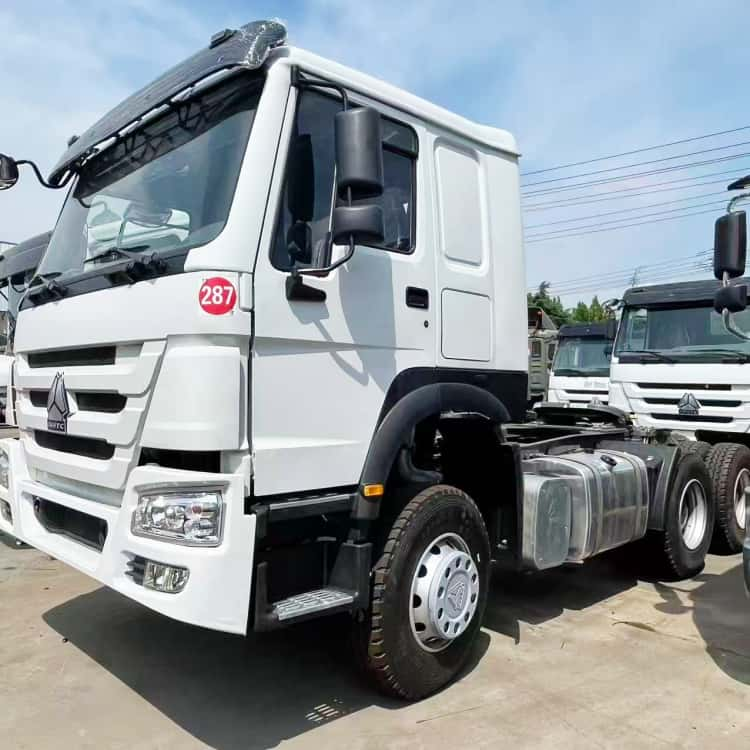
Depreciation Rate Analysis: Remanufactured Truks vs Ordinary Second-Hand Trucks
Introduction
Depreciation is one of the largest hidden costs for heavy-duty fleet owners, yet it is frequently overlooked when buying used assets. Many procurement teams only focus on immediate purchase price, assuming all pre-owned trucks follow the same value decay curve. This assumption breaks down sharply when comparing heavy remanufactured truks to ordinary second-hand trucks.
A standard second-hand truck continues ageing from its original manufacturing date; its depreciation is driven by accumulated operating hours, component fatigue and unknown maintenance gaps. A properly remanufactured heavy truk, by contrast, undergoes a full lifecycle reset. Key assemblies including engine, chassis core and critical wear systems are disassembled, inspected, restored or replaced and performance-tested against defined standards.
This fundamental difference reshapes its depreciation trajectory, stabilises residual value and creates more predictable long-term TCO. Understanding how these two depreciation models behave helps fleets make smarter asset rotation, resale and budgeting decisions.
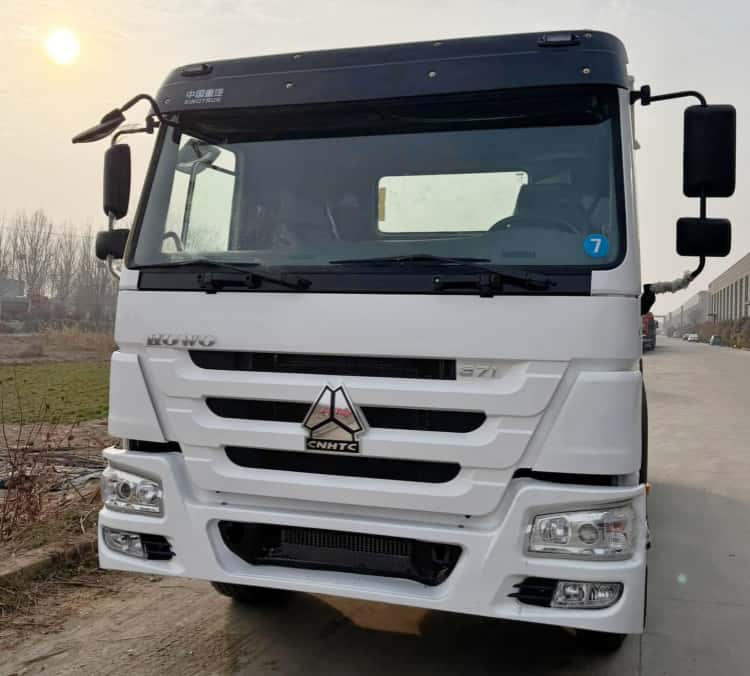
The Core Difference in Depreciation Drivers
For an ordinary second-hand heavy truck, depreciation is primarily tied to its original build date and total accumulated service hours. Every mile and every operating hour adds irreversible fatigue to engine internals, suspension components, braking systems and electrical harnesses. Even if the truck runs reliably today, buyers in the secondary market will discount its value based on known wear risk. Service history gaps, undocumented overhauls and past heavy-load abuse further accelerate value loss. Its depreciation curve is steep and continuous: value drops fastest in the first few years after manufacture, then declines at a slower but steady rate as it moves into later life stages.
A certified heavy remanufactured truk’s depreciation logic is different. Its value decay is decoupled to a meaningful degree from the original factory build date. Market valuers and later buyers focus less on the chassis birth year and more on the reman completion date, verified component grading records, test results and remaining usable service life after reset. That does not mean depreciation stops entirely. Tyres, seals, filters and other consumable parts still wear out, and the base chassis frame still has a fixed fatigue limit. But the high-value powertrain — the single biggest driver of resale discounts — has its wear clock reset. Instead of inheriting the full backlog of accumulated fatigue, the truck starts a new depreciation phase anchored to its reman quality standard.
Typical Depreciation Curve Comparison
A regular second-hand truck sees rapid value erosion in its high-hour phase. Suppose a five-year-old used heavy truck with 800,000 km on the clock: its value will keep falling year over year, and each major component failure will trigger a permanent markdown. Once it crosses a threshold of high accumulated hours, it shifts into a low-value “workhorse or scrap” bracket, with limited buyer interest beyond small operators looking for cheap short-term use.
A remanufactured heavy truk of the same original age and mileage will follow a gentler curve immediately after certification. Right after reman completion, the asset gets a value uplift. Instead of sliding toward scrap pricing, it enters a new stable depreciation window. The rate of value loss in the first two to three years post-reman is markedly slower than that of an unrefurbished second-hand truck. After that stable window, depreciation picks up again as post-reman operating hours accumulate, but the residual value floor remains higher than an equivalent untreated used truck.
This gap becomes obvious at resale time. Two trucks with identical original year and chassis mileage can sell for very different amounts. The heavy remanufactured truk carries documented proof of inspection, component replacement and performance validation, which reduces risk for the next buyer. Risk reduction equals higher market value.
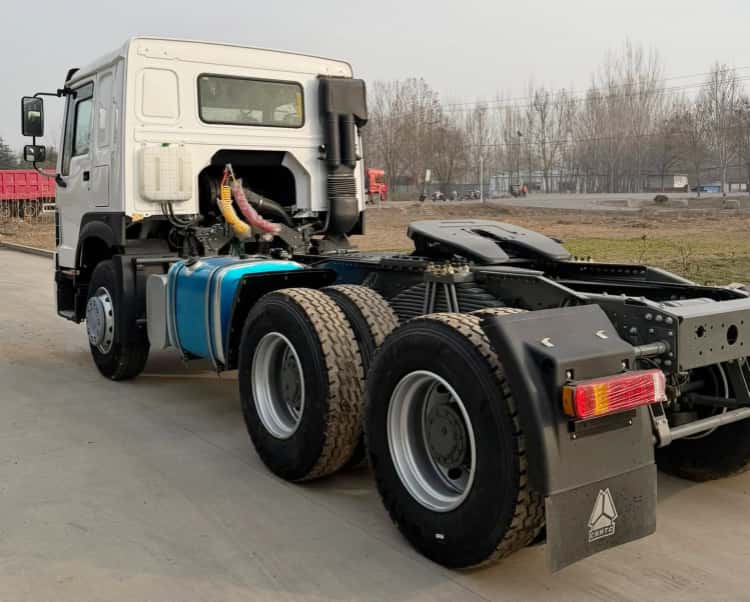
Factors That Lift Residual Value for Remanufactured Truks
Not all reman builds deliver the same depreciation advantage. The residual-value premium depends on several verifiable factors.
- First is standardisation and traceability. Reman processes backed by a formal framework like REMAN ROAD, with core grading logs, test reports and component serial tracking, holds value far better than informal rebuilds. Buyers will not pay a premium for a truck labelled “rebuilt” with no supporting paperwork. Without records, it gets priced like an ordinary second-hand truck.
- Second is scope of reman. A partial reman that only refreshes the engine will deliver a smaller value uplift than a full whole-vehicle reman covering powertrain, braking, steering and structural inspection. If the chassis frame and suspension still carry heavy hidden fatigue, depreciation will still accelerate quickly.
- Third is warranty coverage. A transferable warranty tied to the reman processes directly slows depreciation. It shifts risk away from the next buyer and creates confidence in the asset’s remaining service life. Non-transferable warranty adds far less residual value.
- Fourth is visual and functional consistency. Cosmetic refresh alone cannot change depreciation, but clean, sealed electrical systems, leak-free assemblies and consistent performance reinforce the reman quality story.
Risks That Can Erase the Reman Value Premium
Fleet buyers need to recognise the scenarios where a heavy remanufactured truk depreciates almost as fast as a regular second-hand truck.
- The biggest risk is low-quality reman shortcuts. When suppliers reuse borderline core parts, skip hot-run testing, fit cheap uncertified replacement components or hide structural defects under paint, the value premium disappears quickly. Early failures after purchase will not only create repair costs but also permanently damage the asset’s market reputation. Once a heavy remanufactured truk suffers an unexpected major breakdown, future buyers treat it as a high-risk used truck.
- Another risk is ignoring chassis limits. The original frame has a finite fatigue life that reman cannot reset. Even with a brand-new reman engine, a frame with crack history or past overload damage will cap residual value and speed up depreciation. Smart reman programmes flag these limits upfront, rather than overstating the usable life.
- Market perception is also a factor. In regions with limited awareness of certified remanufactured truk, buyers may not understand the difference between reman, overhaul and ordinary used trucks. In those markets, the depreciation gap may be smaller until industry standards and documentation become widely accepted.
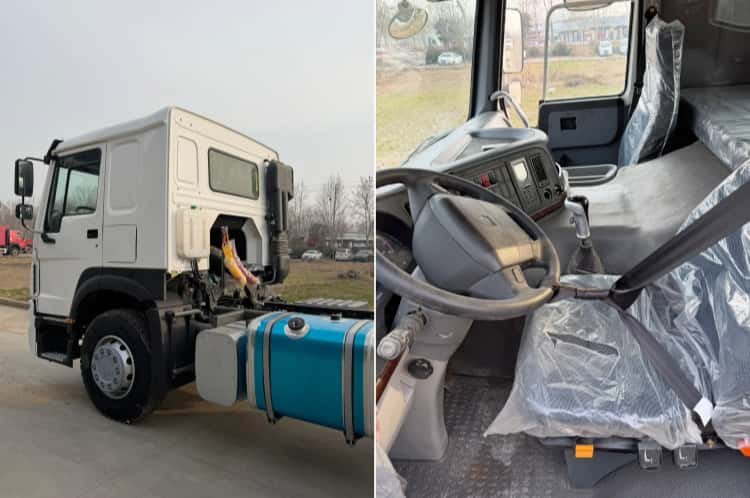
Practical Fleet Application for Asset Planning
Depreciation modelling should sit alongside fuel, maintenance and downtime costs in fleet TCO analysis. For fleets that rotate trucks every 2–4 years, a certified remanufactured truk often delivers superior total economics: moderate upfront investment, slower value loss during ownership, and stronger residual proceeds at disposal. For fleets running trucks to near-end-of-life, the advantage shifts toward reduced breakdown risk rather than resale profit.
When building asset policies, separate your fleet bookkeeping categories. Do not lump certified reman trucks into the same depreciation schedule as ordinary second-hand trucks. Where local accounting rules permit, a revised depreciation schedule aligned to the reman reset life gives a much more accurate picture of true profitability.
At the point of sale or trade-in, prepare the full reman documentation package. Test logs, component replacement manifests, core inspection records and warranty paperwork are not just quality proof; they are your primary tool to capture that residual value premium you built into the asset.
Final Takeaway
Ordinary second-hand trucks depreciate based on accumulated age and wear. Certified heavy remanufactured truk reset the wear clock on high-value assemblies and trade on verified performance, creating a flatter depreciation curve and a higher residual floor. The premium is not automatic — it relies on standardised reman processes, traceable records and transparent disclosure of any chassis limitations. For fleet managers, this distinction turns remanufacturing from a simple “cheaper purchase” option into a strategic asset management lever that controls depreciation risk across the whole fleet.