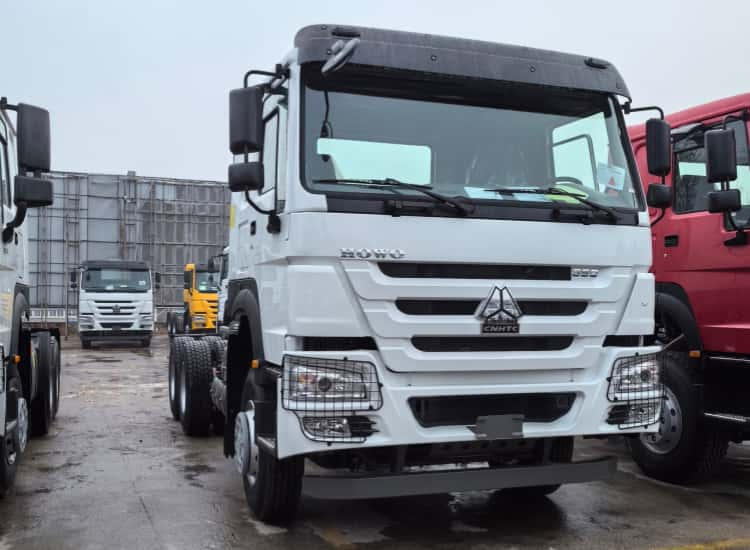
How Fleet Operators Maximize ROI With Certified Remanufactured Vehicles?
Introduction
Return on investment for heavy vehicle fleets is not only controlled by purchase price. It comes from balancing capital deployment, uptime management, maintenance planning, asset rotation, tender qualification and residual value protection. Certified remanufactured vehicles built to REMAN ROAD standards create a unique ROI lever for fleet operators, but the advantage does not activate automatically. Operators need structured fleet practices to unlock the full financial benefit, rather than treating reman units as just cheaper substitutes for new trucks.
This article outlines actionable strategies for construction, mining and haulage fleets in African markets to maximise ROI from certified remanufactured vehicles.
Optimise CAPEX Allocation to Scale Revenue-Generating Capacity
The biggest ROI advantage of certified remanufactured vehicles lies in their moderate upfront capital requirement. Instead of sinking most available budget into a small number of brand-new trucks, fleet managers can deploy more hauling assets with the same capital pool.
More trucks mean higher daily tonnage throughput, more billable trips and the ability to take on multiple contracts simultaneously. This increases total fleet revenue without proportional growth in fixed overheads. The key is to avoid overspending on premium specifications that exceed actual site demand. Match axle ratios, cooling systems and filtration packages precisely to local terrain, fuel quality and payload requirements. Over-specification wastes capital and drags down ROI.
Financing strategy also matters. Because the asset value is lower, loan principal and interest charges are reduced. Operators preserve working capital for labour, fuel, site mobilisation and emergency contingencies, rather than servicing large asset loans that strain cash flow during delayed client payments.
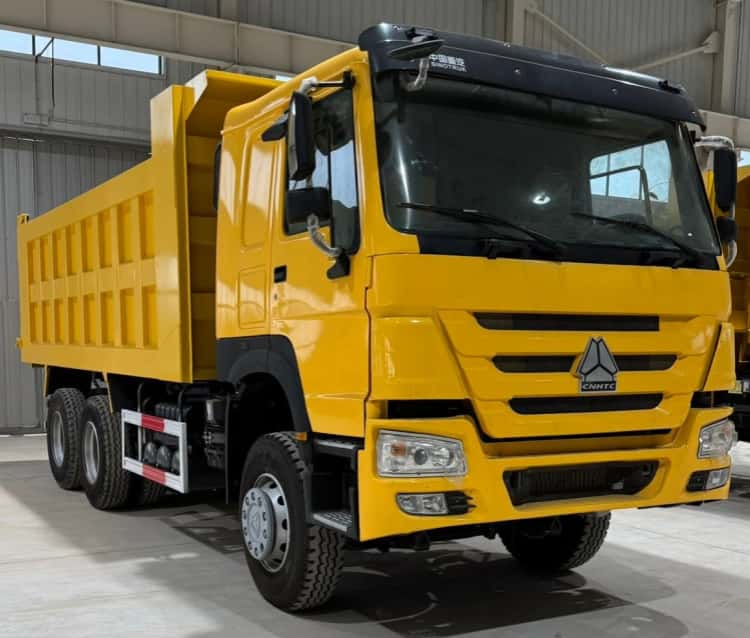
Build Preventive Maintenance Systems Tailored for Reman Assets
Certified remanufactured vehicles have a reset service life, but their maintenance cadence differs from new OEM units. Their ROI advantage erodes quickly if maintenance is neglected, or if operators apply the same long service intervals designed for factory-new vehicles.
Fleets should adopt site-adjusted service schedules, especially for dusty mine, quarry and off-road construction environments. Prioritise regular inspection of seals, hoses, brake assemblies, suspension components and filtration systems. Establish a local stocking plan for high-wear consumables, so routine service can be completed on schedule without waiting for cross-border spare parts shipments.
Document all service records and link them to each truck’s VIN. Complete service history preserves traceability, supports warranty claims and protects residual value at disposal. Preventive maintenance is not just an operating cost — it is an investment that avoids costly unplanned downtime, which is one of the fastest ways to destroy fleet ROI.
Control Downtime Risk Through Pre-Deployment Validation & Workshop Readiness
Even certified remanufactured vehicles will occasionally require service, but planned downtime has a far smaller financial impact than unexpected catastrophic breakdown. Before units enter active service, run site-simulated load testing to verify powertrain, braking and hydraulic performance, rather than relying only on factory test reports.
Fleets running certified remanufactured vehicles gain the best ROI when they maintain an in-house workshop and trained technicians familiar with the base Chinese truck platforms such as Howo, Shacman and Sitrak. Local repair capability cuts response time sharply, compared with waiting for distant OEM service teams.
Build a small standby pool of critical assemblies where project downtime penalties are high. Having exchange engines, gearboxes or hydraulic pumps on hand can slash repair turnaround and avoid revenue loss. This is particularly valuable for remote mine sites where parts delivery lead times are long.
Leverage ESG Credentials to Win Higher-Margin Contracts
Most standard tenders and donor-funded infrastructure programmes now award preferential evaluation points for assets with verified carbon reduction outcomes. Genuine REMAN ROAD certified remanufactured vehicles come with complete traceability files and lifecycle carbon documentation, proving the embodied carbon savings compared to manufacturing brand-new trucks.
Fleet operators can use this documentation to bid on green-focused contracts that are closed to ordinary used or overhauled trucks. These contracts often carry more stable payment terms and lower competition, lifting overall fleet margin. Many operators overlook this ROI stream, treating certification only as a quality stamp instead of a commercial bidding tool.
Keep carbon and reman certification files organised and readily auditable. Poor document management can disqualify a fleet mid-tender, even if the trucks themselves meet all technical requirements.
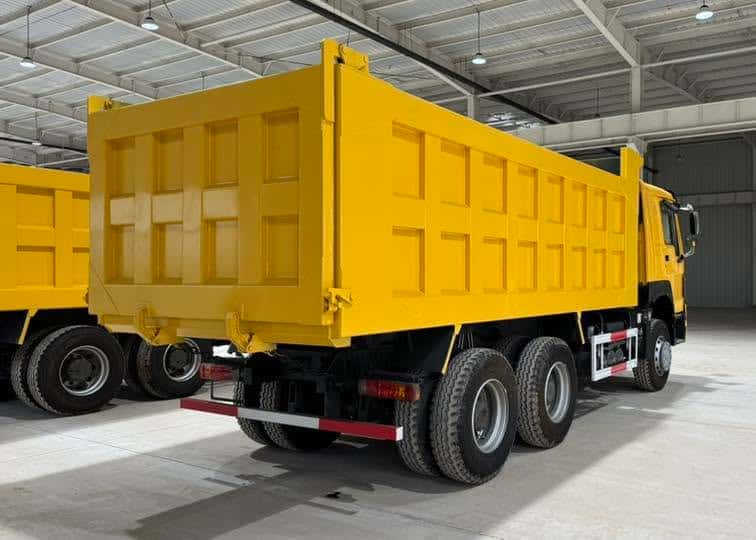
Use Project-Based Asset Rotation to Match Contract Cycles
African construction and quarry haulage work is often seasonal or project-bound. Certified remanufactured vehicles are ideal for flexible asset strategies that protect ROI.
Fleets can deploy certified remanufactured vehicles as peak-load capacity for short-duration earthworks or road contracts, while reserving new trucks for continuous, high-penalty core operations. Once a project finishes, certified remanufactured vehicles can be reassigned to the next site, rented out, or resold without the severe capital loss associated with selling new trucks early in their ownership cycle.
Avoid locking remanufactured vehicles into static, multi-year deployment plans if your business runs project-by-project contracts. Planned asset rotation shortens average holding cycles, accelerates payback and reduces cumulative wear on each unit.
Protect Residual Value With Full Traceability
ROI calculations only conclude when an asset exits the fleet. Resale value is often an afterthought, but it directly reduces the net total cost of ownership.
Certified remanufactured vehicles hold better secondary market value than undocumented overhauled units only when their certification, NDT reports, dyno test records and service logs stay intact. Operators should store the full digital dossier for every VIN, and hand this complete set over when selling. Buyers in the formal fleet market will pay a premium for verifiable reman quality, while trucks without traceability are priced down to used-equipment rates.
When it is time to dispose of units, target other contractors and formal fleets rather than informal scrap dealers. Marketing them as REMAN ROAD certified remanufactured vehicles, with full audit trails, expands the pool of qualified buyers and supports higher exit value.
Segment Your Fleet and Avoid One-Size-Fits-All Procurement
The highest-performing fleets run mixed fleets, matching each asset type to the right duty profile.
- New trucks can be reserved for continuous, high-penalty operations where minimal downtime is non-negotiable.
- Certified remanufactured vehicles handle most heavy haul, earthmoving and peak-demand work, delivering balanced ROI.
- Low-cost, uncertified used units are limited to low-risk, informal haulage where downtime has little financial consequence.
Mixing these categories thoughtfully prevents operators from overpaying for new trucks on low-margin jobs, or exposing critical revenue streams to unreliable overhauled equipment. This segmentation ensures certified remanufactured vehicles are deployed in the use cases where their financial strengths shine brightest.
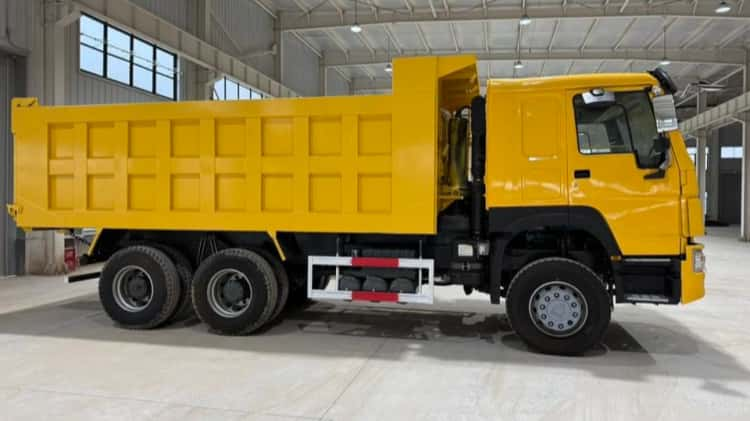
Common Mistakes That Kill Reman ROI
Many fleets fail to capture the expected return even with certified remanufactured vehicles. The most frequent errors include skipping scheduled maintenance, buying over-specified units, failing to stock local consumables, losing certification and test records, and treating reman vehicles the same as generic used trucks.
Buying non-certified overhauled trucks labelled as reman is the single largest risk. Hidden fatigue defects trigger sudden major failures, extended downtime and collapsed resale value, wiping out the capital advantage.
Closing
Certified remanufactured vehicles provide a powerful pathway to higher fleet ROI, but the benefit comes from intentional operational decisions, not low price alone. Fleet operators maximise returns by reallocating capital to expand revenue-generating capacity, building site-adapted maintenance routines, controlling downtime risk, leveraging ESG certification for premium tenders, rotating assets around project cycles and preserving traceability to protect residual value.
When paired with disciplined fleet management, REMAN ROAD certified remanufactured vehicles deliver a balanced financial profile that outperforms both high-capital new trucks and high-risk uncertified used alternatives for most construction, mining and haulage fleets.