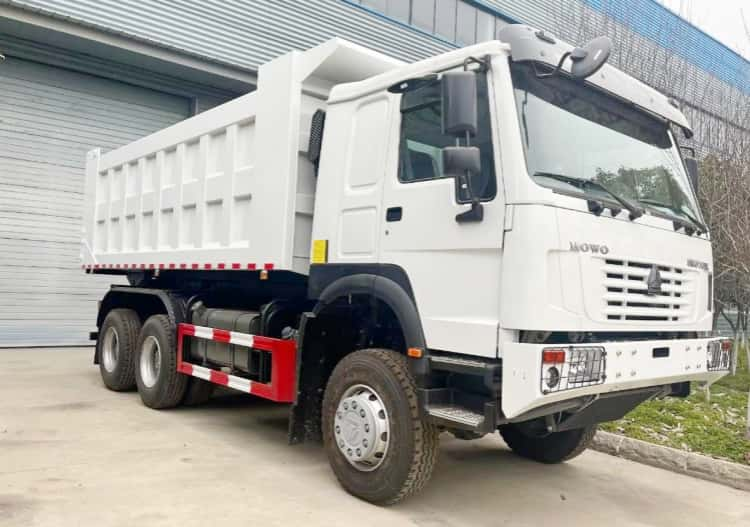
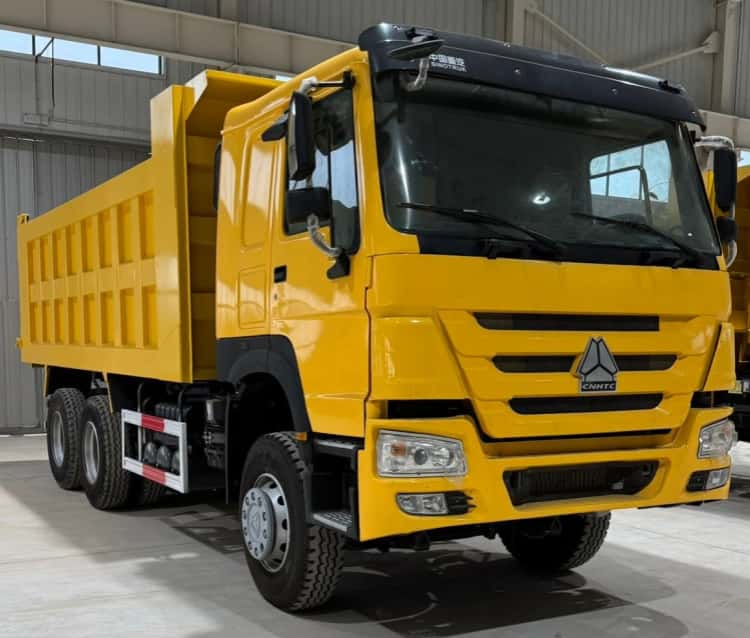
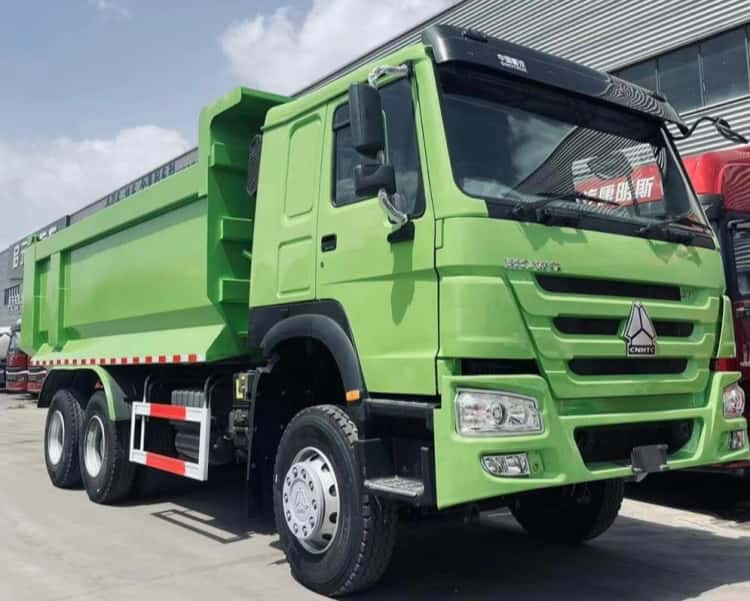
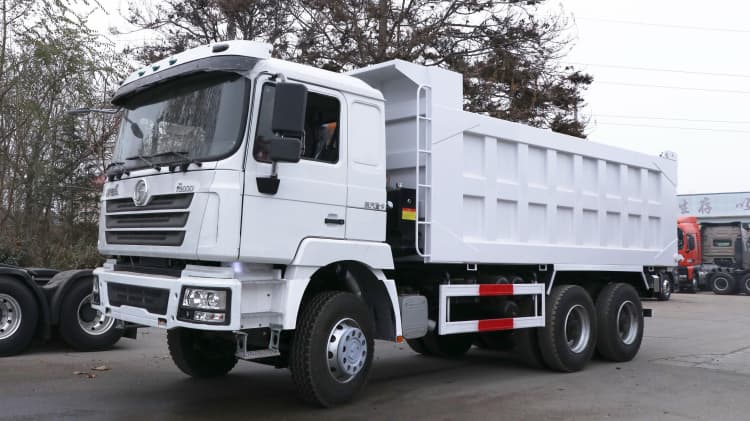
Budget Planning Guide for Small Mining Companies Buying Reman Haulage Trucks
Introduction
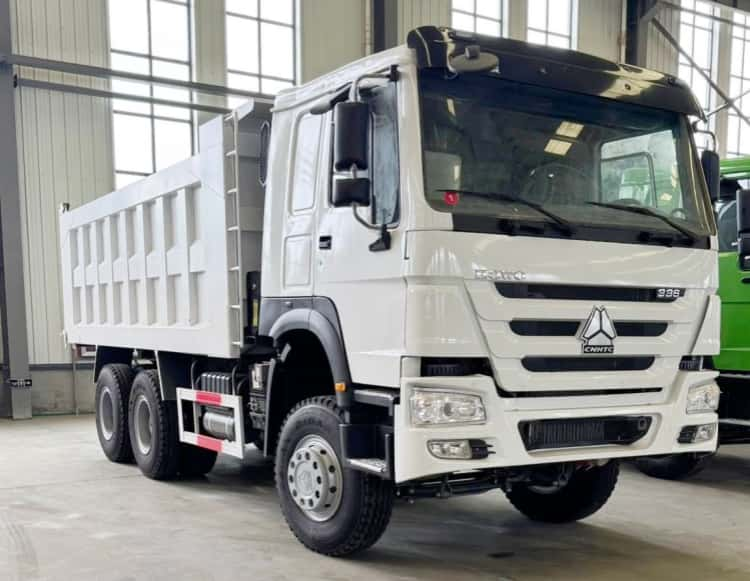
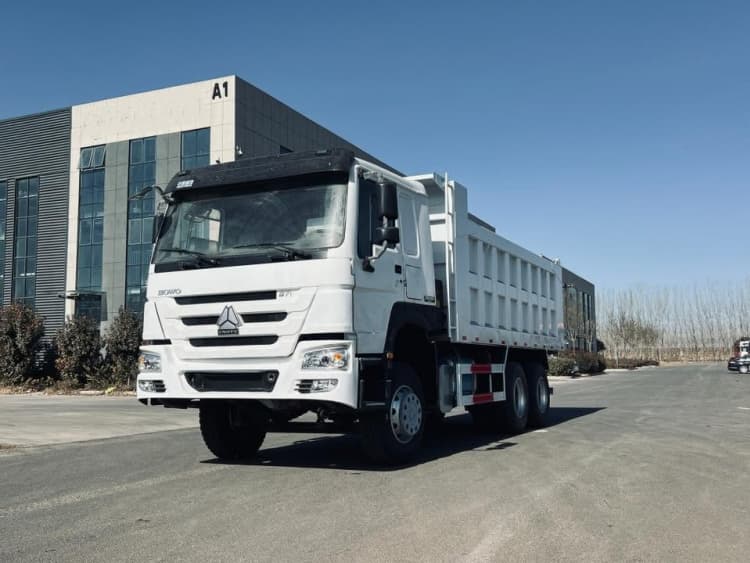
Small mining operations run on thin margins. Every capital decision is scrutinised against volatile commodity prices, tight cash flow and relentless operational demands. When it comes to replacing haulage trucks, many small miners face a familiar dilemma: brand-new mining-spec haulers are prohibitively expensive, while cheap second-hand units risk breaking down in remote pit conditions where downtime costs spiral by the hour. Certified reman haulage trucks sit in the middle of this gap, offering near-new performance at a fraction of new-truck cost.
But budgeting for reman is not as simple as subtracting a discount from the new-truck sticker price. Small mining companies must plan around unique duty-cycle stresses, remote-site maintenance realities, site-specific infrastructure and residual value uncertainty. This guide walks through the structured budget framework mining finance and operations teams should use when evaluating reman haulage trucks, so capital is deployed where it actually moves ore and trucks stay in the pit rather than sitting in the workshop.
Start With Duty Cycle, Not Sticker Price
The biggest mistake small miners make is anchoring the budget on the purchase price alone. Mining haulage trucks operate under conditions that accelerate wear far faster than on-highway trucks: repeated heavy loads, unpaved roads, dust ingestion, steep gradients and long idle periods at loading points. A truck that looks like a bargain on paper can become a budget nightmare if its remanufacturing process was designed for highway duty rather than mining-cycle duty.
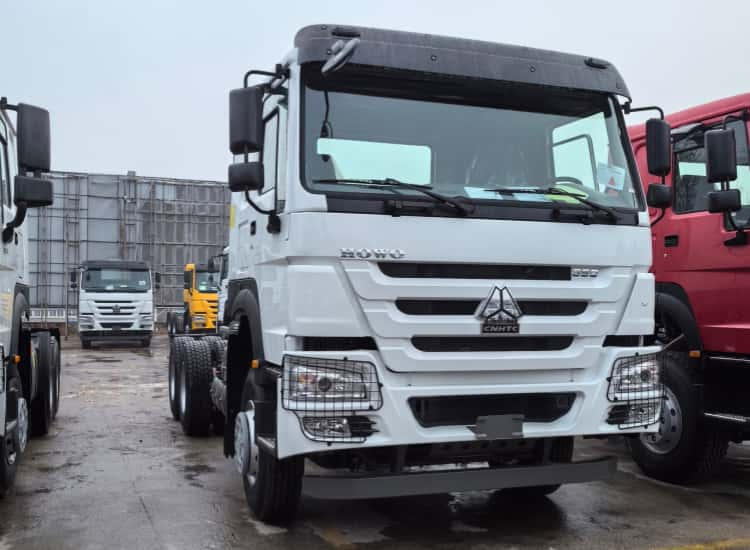
Before allocating any budget, define your site’s duty cycle explicitly. Average haul cycle length, loaded weight per trip, gradient percentage, road surface quality, daily operating hours and ambient temperature all affect how quickly a reman truck will age in your operation. A reman haulage truck built to highway-spec tolerances may survive 18 months on a smooth quarry road but fail within 8 months in a steep, unpaved underground or open-pit cycle. Build a duty-cycle profile first, then specify the reman standard against that profile. This determines which component grades, seal types, filter configurations and cooling system specs you should require from the supplier.
Build the TCO Line Item by Line Item
Small mining budgets are usually tight enough that a single overlooked cost category can wipe out the advantage of choosing reman haulage trucks over new. Structure the budget around these recurring and one-time line items.
- Upfront capital outlay. This is the reman haulage trucks purchase price, plus any import duties, transport to site, taxes and registration fees. For cross-border purchases, factor in customs clearance timelines and any compliance documentation fees associated with certified reman classification.
- Delivery and commissioning. Mining trucks rarely arrive ready to haul immediately. Budget for on-site assembly, tyre fitting (mining-spec tyres are a major cost), tailpipe and exhaust system checks under site conditions, and driver familiarisation. Commissioning delays directly push back revenue generation.
- Spare parts inventory. Unlike a large mining house with centralised warehousing, small operations must stock critical consumables themselves. Plan an initial parts buffer: filters, brake pads/shoes, clutch components, seals and electrical connectors specific to your reman truck model. Overstocking ties up capital; understocking means days of downtime waiting for courier delivery to a remote site.
- Maintenance labour and facilities. Even a well-reman haulage trucks needs scheduled service. Budget for either hiring a dedicated on-site mechanic or contracting local service support. Factor in consumables like engine oil, hydraulic fluid, grease and coolant — mining duty cycles consume these faster than standard schedules suggest.
- Fuel and lubricant costs. As covered in earlier analysis, a properly reman haulage trucks engine restores combustion efficiency. Use conservative fuel consumption estimates during the budget year one, then refine as real telemetry arrives. Overestimating fuel burn is safer than underestimating.
- Downtime reserve. No truck runs 365 days without interruption. Carve out a contingency line for unplanned breakdowns. A reman haulage truck with traceable quality records should have lower downtime risk than an unknown used truck, but remote mining sites amplify even small mechanical failures into multi-day delays.
Compare Three Scenarios, Not Just Two
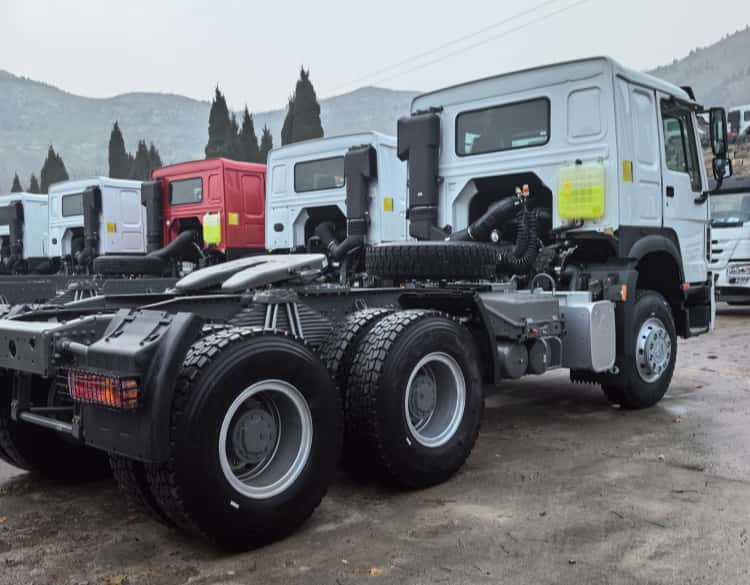
Small miners typically compare “new truck” versus “used truck” and stop there. A realistic budget exercise should model three scenarios side by side over a 3-year horizon:
- Scenario A: New OEM mining-spec truck. Highest upfront cost, longest warranty, lowest maintenance uncertainty, steepest depreciation.
- Scenario B: Certified reman haulage trucks to REMAN ROAD standard. Moderate upfront cost, documented component grading, defined warranty, predictable mid-life service intervals.
- Scenario C: Cheap used truck from the open market. Lowest upfront cost but highest downtime and failure risk, no traceability, uncertain remaining fatigue life.
For each scenario, sum upfront capital + 36 months of fuel + maintenance + parts + estimated downtime cost + projected residual value. The winner is rarely the cheapest sticker price. In many small mining contexts, the reman haulage trucks scenario wins on total cost because downtime penalties are so severe — a single week of haulage stoppage in a small pit can cost more than the entire price difference between a reman truck and a cheap used one.
Allocate for Site-Specific Modifications
Mining sites have unique equipment requirements that generic reman haulage trucksdo not address out of the box. Budget for site fit-up: rock beds, tyre chains for wet seasons, upgraded fire suppression systems, lighting packages for night shifts, radio communication integration, and body liner replacement if the haul bed shows wear.
These modifications are not optional extras. A reman haulage truck without proper site adaptation will underperform or suffer accelerated wear in your specific environment. Treat site modification as a capital line item, not a surprise expense.
Plan the Residual and Exit Strategy Upfront
Small mining companies often neglect to plan what happens to the truck at the end of its service with them. A certified reman haulage truck carries traceability documentation, which makes resale or trade-in far easier than an undocumented used truck.
Build an exit assumption into the budget: will the truck be sold to a smaller operation, returned to the reman supplier under a take-back agreement, or cannibalised for parts? Each assumption affects your net cost calculation. If a take-back or core-return option exists, negotiate it at purchase time rather than discovering later that no such pathway exists.
Cash Flow Timing Matters More Than Total Cost
Small miners often operate on revenue lumpy cash flow: one month strong, next month slow. A certified reman haulage truck’s lower upfront outlay can be structured to align with cash inflow periods. Explore payment terms, phased delivery or lease-style arrangements with reman suppliers who understand mining cycles. Avoid over-committing working capital to a single truck at the expense of fuel, labour and contractor payments.
Closing
For small mining companies, buying certified reman haulage trucks is not about finding the cheapest truck on the market. It is about matching a certified, traceable asset to your specific duty cycle, budgeting honestly for maintenance and downtime, and comparing total cost across new, reman and used scenarios. When planned carefully, a certified reman haulage truck delivers the reliability small pits cannot afford to lose, at a capital outlay that does not strain already tight balance sheets. The key is discipline: budget the full lifecycle, not just the invoice.