The Complete Buyer’s Guide to Purchasing Certified Remanufactured Heavy Trucks
Introduction
For global mining, construction and logistics fleets, remanufactured heavy trucks have become a practical and high-value alternative to overpriced new trucks and high-risk used trucks.
However, the reman truck market remains unregulated in many regions, with cosmetic-refurbished units often mislabeled as industrial reman products. Without professional purchasing knowledge, fleet buyers may mistakenly invest in low-quality assets that cause frequent downtime, repeated repairs and poor long-term ROI.
This complete buyer’s guide systematically covers every purchasing step, key verification standards and risk avoidance strategies to help operators purchase genuine, high-performance certified reman heavy trucks.
Understand What Real Industrial Reman Trucks Are
Most procurement mistakes start with misunderstanding the definition of “remanufactured”. Genuine industrial remanufacturing is not simple repair, repainting or component replacement.
Certified reman trucks undergo full disassembly, industrial cleaning, non-destructive structural testing, precision component regeneration, mandatory wear-part renewal and multi-stage dynamic testing.
Industrial reman features full performance restoration and complete quality traceability. In contrast, refurbished or second-hand trucks only solve visible problems while retaining hidden structural fatigue, aging powertrain wear and unstable system performance. Distinguishing industrial reman from superficial renovation is the first core step of professional procurement.
Define Fleet Demand and Working Condition Matching
Before selecting models, buyers must clarify actual operational scenarios to avoid mismatched asset purchases.
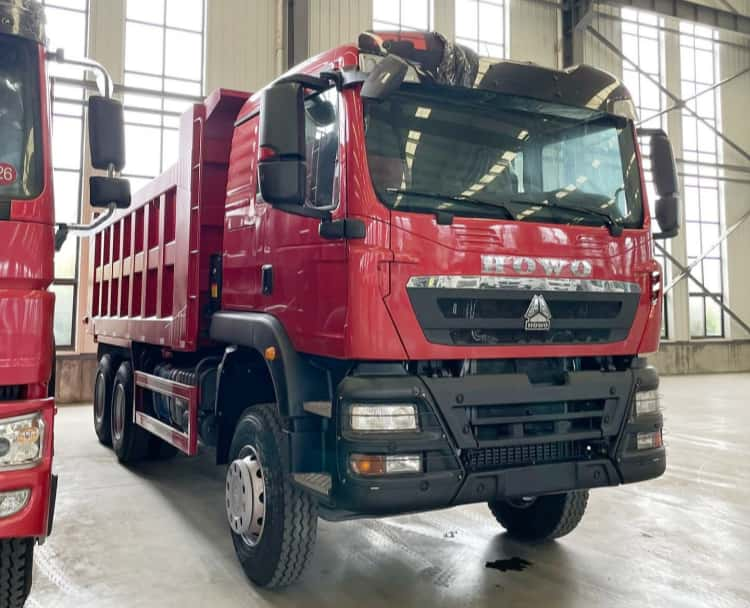
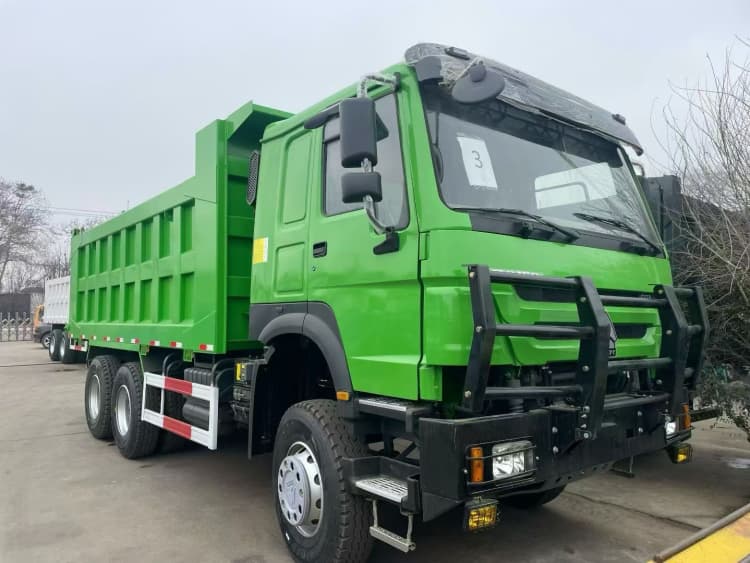
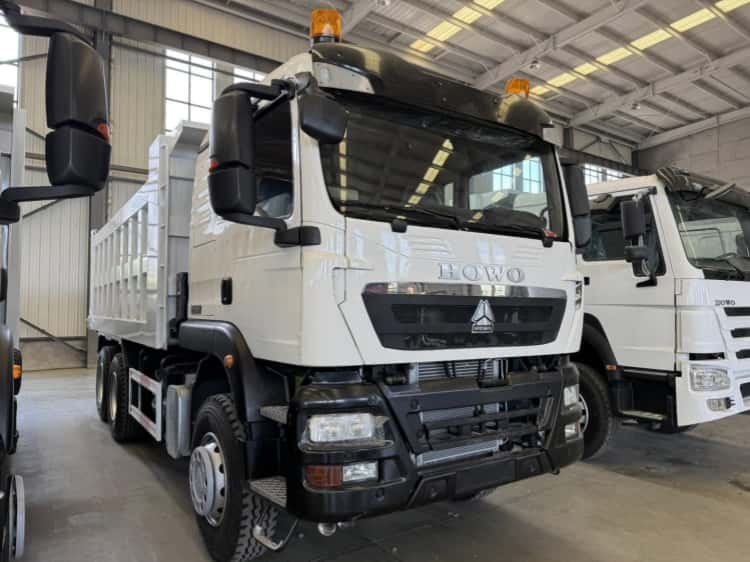
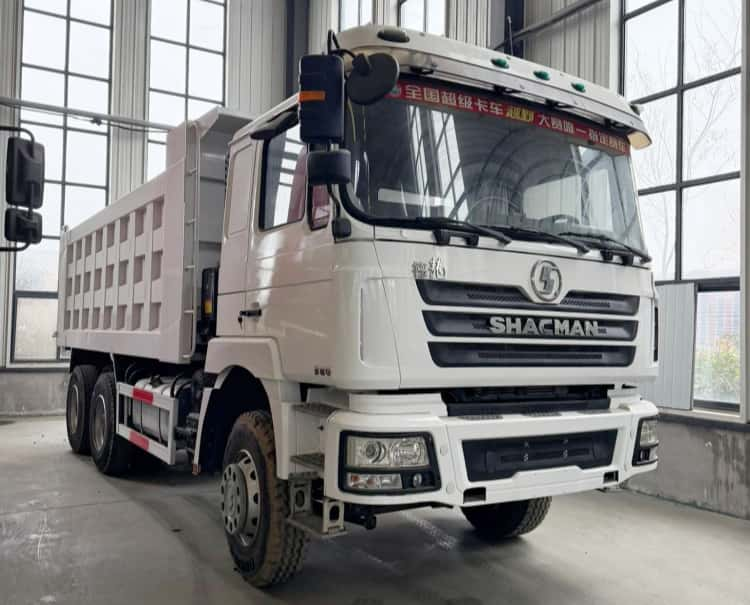
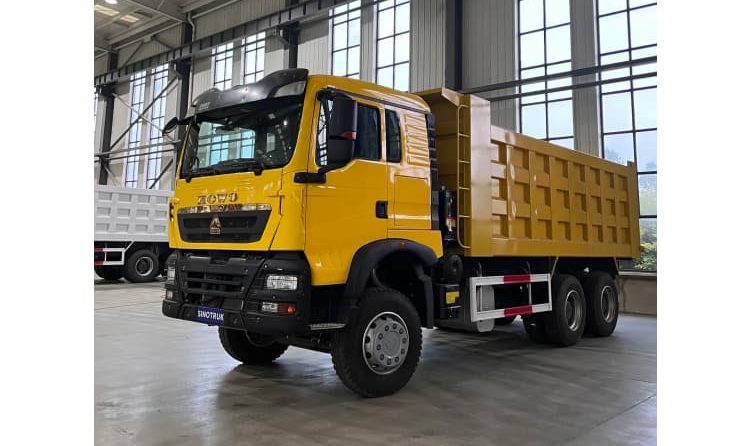
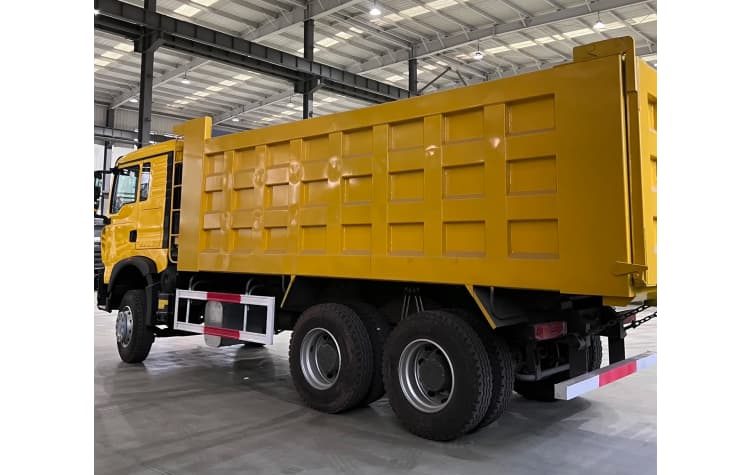
- Mining and quarry scenarios require heavy-load chassis, reinforced cargo boxes and strong climbing power. Models such as 8×4 and 6×4 reman dump trucks are ideal for continuous high-intensity haulage.
- Long-distance logistics transport prioritizes fuel economy, driving stability and low failure rates, making reman tractor trucks the optimal choice.
- Municipal and engineering projects need flexible, versatile vehicles including cargo trucks, water tankers and mixer trucks to meet diverse functional needs.
Matching vehicle configuration with working conditions reduces unnecessary wear, extends service life and optimizes full-lifecycle TCO.
Vet Supplier Qualification and Reman Standards
Supplier capability directly determines reman vehicle quality. Reliable reman suppliers must have standardized industrial workflows instead of scattered workshop-style renovation.
Buyers should verify three core qualifications: unified remanufacturing standards, complete full-process inspection mechanisms, and traceable quality documentation systems. Professional suppliers can provide base unit screening reports, disassembly records, component replacement lists, NDT testing data and final delivery certification.
Avoid suppliers who only focus on low prices, lack standardized processes and cannot provide complete inspection files. Low-price reman units often lead to higher long-term operational losses.

Core Vehicle Inspection Verification Before Purchase
Professional inspection is essential to filter unqualified reman trucks. Buyers should focus on structural safety and core system performance rather than exterior appearance.
- Frame and chassis inspection: Confirm no hidden cracks, deformation or welding repair traces. Non-destructive testing reports are the most credible proof of structural integrity.
- Powertrain inspection: Check engine startup stability, gearbox shifting smoothness and axle operating status. Rebuilt powertrains should have no abnormal noise, leakage or power attenuation.
- Hydraulic and braking system test: Simulate full-load operation to verify lifting stability and braking sensitivity, ensuring adaptation to heavy-duty working conditions.
- Consumable parts confirmation: Ensure all seals, bearings, brake pads and rubber parts are fully renewed in accordance with industrial reman standards.
Check Complete Traceability Documentation
Certified reman trucks are defined by complete documentation. Complete file records represent standardized production and controllable quality.
Key documents include vehicle VIN matching reports, base unit evaluation forms, component overhaul logs, testing data and final acceptance certificates.
Complete traceability not only proves vehicle authenticity but also supports later maintenance, resale and fleet asset management.
Confirm Warranty, After-Sales and Delivery Terms
High-quality reman procurement requires clear after-sales protection to avoid post-delivery risks.
Buyers should clarify warranty coverage, warranty period, technical support response speed and spare parts supply channels.
All quality commitments must be reflected in formal contracts, rather than verbal promises.
Standardized after-sales service ensures stable fleet operation and reduces maintenance difficulty in remote construction and mining areas.
Evaluate Long-Term TCO Instead of Upfront Price
Many fleet buyers only compare purchase prices, ignoring the core advantage of certified reman trucks — optimized full-lifecycle cost.
Certified reman trucks have lower depreciation rates than new trucks, lower failure rates than used trucks, predictable maintenance costs and minimal unplanned downtime losses.
When calculating 3–5 year fleet operating costs, certified remanufactured heavy trucks deliver far better ROI than low-price refurbished vehicles and overexpensive new trucks.
Final Conclusion
Purchasing remanufactured heavy trucks is a professional fleet asset investment behavior, not a simple commodity transaction. Successful procurement relies on standard identification, supplier verification, technical inspection, document confirmation and TCO evaluation.
By following this complete buyer’s guide, global fleet buyers can effectively avoid market traps, select high-quality certified reman heavy trucks, and achieve balanced development of fleet reliability, operational efficiency and long-term cost control.