Spare Parts Supply Solutions for Reman Truk Owners Operating in Remote Africa
Intro
Even the best-certified reman truks will stop working without accessible spares. Remote sites are far from major cities, with unpredictable road transport, port delays and limited specialist suppliers. Waiting weeks for a single seal or bearing can shut down an entire haulage fleet. REMAN ROAD designs spare supply frameworks tailored to reman fleets, separate from the standard aftersales model for new trucks.
Tier 1: Site critical wear-part kit
Each heavy reman truks ships with a matching wear-part kit. It contains the highest-frequency failure items: oil seals, filters, gaskets, brake linings and torque-to-yield fasteners. These are the components marked for periodic renewal in the REMAN ROAD truk reman standard. The kit is sized based on the model and duty envelope, so operators can fix common breakdowns without external shipments.
Tier 2: Regional hub stocking
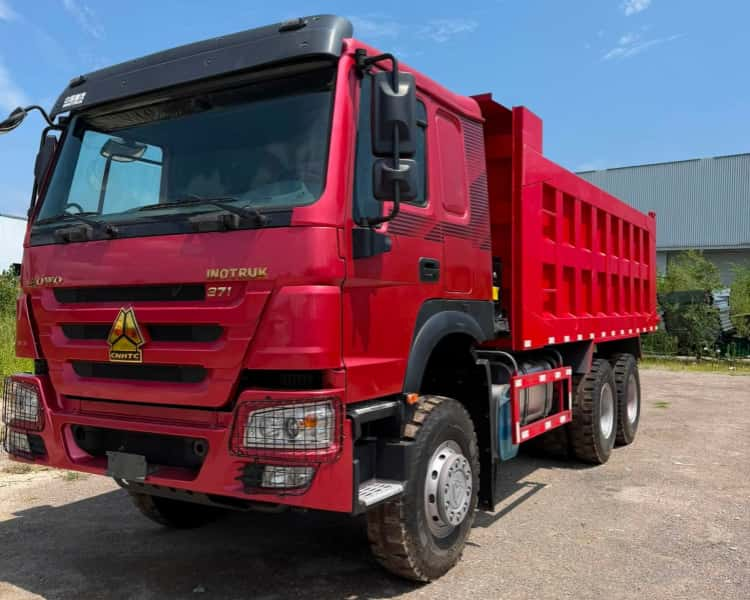
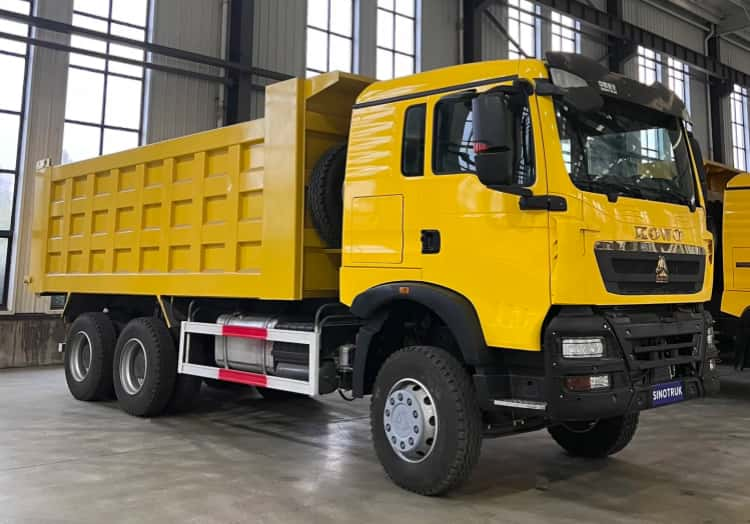
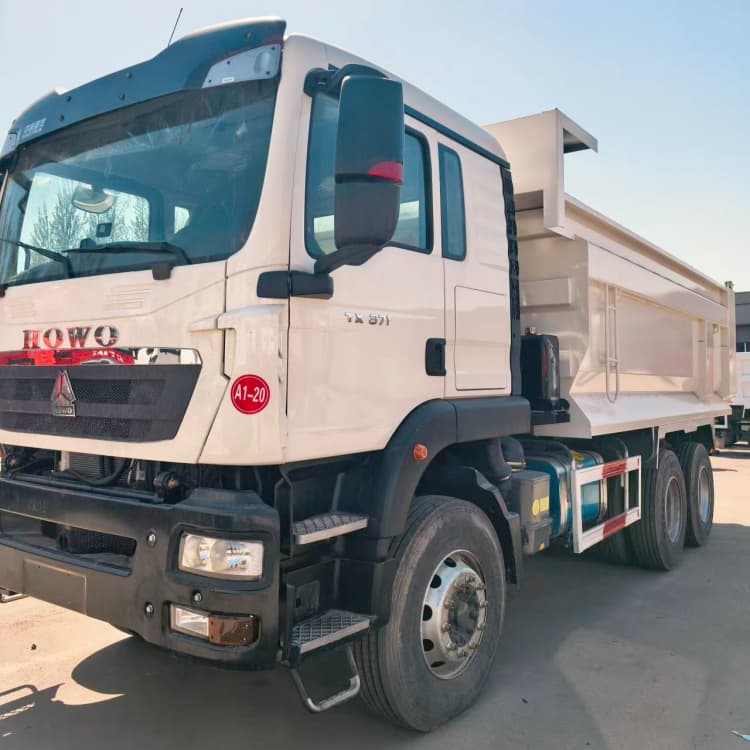
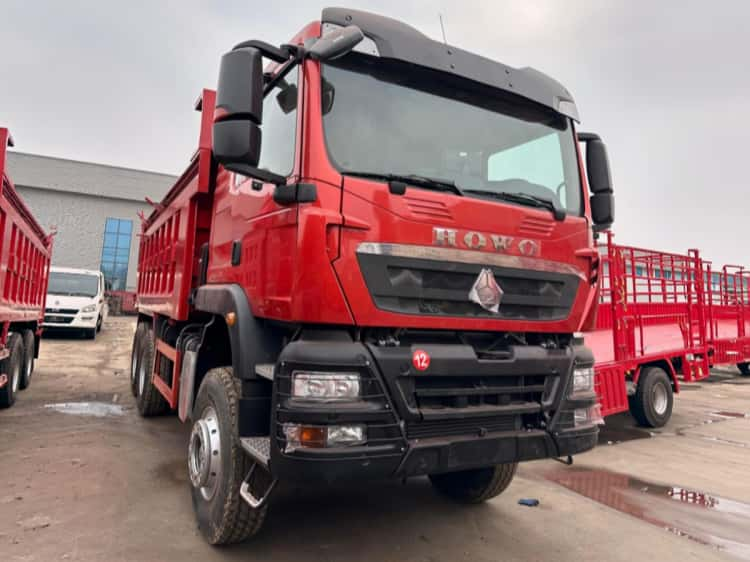
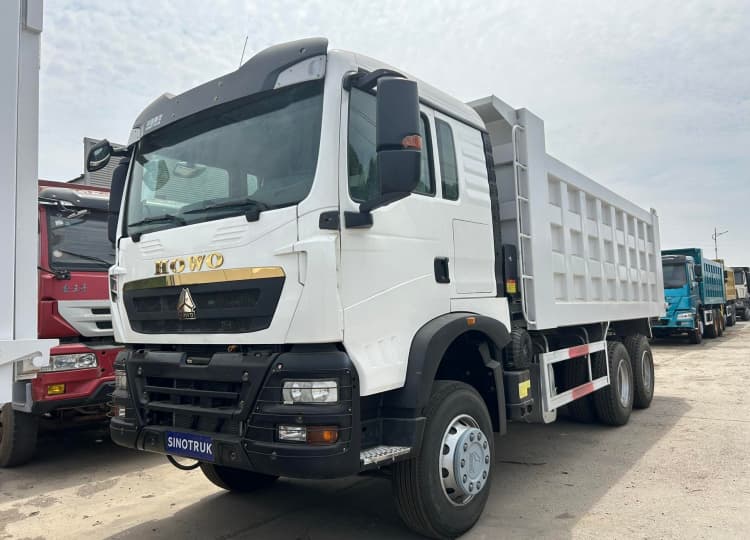
REMAN ROAD partners with regional stock hubs near mining clusters. Hubs hold high-volume parts for Howo and Shacman, the dominant reman models across Africa. When a site needs larger assemblies such as water pumps, turbochargers or suspension brackets, stock is dispatched from the nearest hub instead of direct from China. This cuts transit time dramatically compared to full ocean shipping.
Tier 3: Certified reman component bank for exchange
Major assemblies like transmissions, axles and cylinder heads are expensive and slow to manufacture. The REMAN ROAD heavy reman truks component bank supplies pre-tested, traceable reman exchange units. Fleets swap the faulty assembly rather than waiting for repairs. Every exchange component carries its own traceability record and matches the original build standard.
Planned bulk consignment and pre-order cycles
Fleets can place consolidated quarterly orders, aligned with vessel schedules. Bulk shipments reduce per-unit freight and clear customs together. This avoids emergency air freight, which is prohibitively costly for heavy truck parts. The procurement plan is tied to fleet size and cycle intensity, based on historical wear data.
Local agent training and cross-reference support
Many remote technicians struggle with part numbers. REMAN ROAD provides clear cross-reference sheets mapped to each reman truk VIN. Local agents learn to identify compatible parts and avoid counterfeit alternatives. Counterfeit spares are a major risk: they destroy reman asset reliability and void certification.
Digital traceability to speed up part matching
The certified reman truks’s VIN log records every component fitted during truk reman. When a part fails, the fleet can pull the exact OEM part number and specification instantly. This prevents ordering mismatched or downgraded replacements, a common mistake in remote supply chains.
Boundary: what the spare strategy cannot do
Parts supply solutions reduce waiting time, but they do not remove routine maintenance obligations. Fleets still need to follow service schedules and stay within the assigned duty envelope. Even with stocked spares, overloading the reman chassis will trigger accelerated failure that no spare kit can resolve.
Final Takeaway
Remote heavy reman truk fleets in Africa rely on site wear kits, regional hubs, exchange component banks and planned bulk ordering. REMAN ROAD’s traceability system ensures correct part selection and helps fleets avoid counterfeit stock. For fleet operators, the key takeaway is simple: for remote sites, spare stock planning is just as important as the quality of the reman truks itself.