Tax & Customs Clearance Tips for Importing Reman Heavy Machinery to Africa
Intro
Tax and customs rules vary widely across African countries. Many customs officers lack clear definitions for certified reman heavy machinery. Without the right paperwork, reman trucks and machinery get treated as ordinary second-hand goods, triggering higher duties, age bans or lengthy holds. These practical tips help fleets clear shipments smoothly while staying compliant.
Clarify classification before shipment
The first critical step is confirming the local HS code. Some jurisdictions separate reman heavy machinerys from used machinerys; many do not. You must check whether the destination country recognises reman status as a distinct category. Never automatically use the same code for brand-new machinery. REMAN ROAD provides build statements to support the classification you agree on with your clearing agent.
Transparent, defensible customs valuation
Under-invoicing is a common trap. Customs authorities maintain reference price databases for heavy vehicles. If declared value falls too low, officials will trigger a revaluation and impose penalties. Your invoice should clearly state this is a certified reman asset, not new or scrap. Attach traceability records, NDT reports and test certificates to justify the pricing.
Understand age rules — reman does not reset manufacturing date
This is the most frequent mistake. Remanufacturing date cannot replace the original chassis manufacture year. Age limits are calculated from the original production date. Even a fully rebuilt machine will still be rejected if it exceeds the destination’s age cap. Confirm age restrictions before sourcing cores.
Prepare pre-export conformity documents
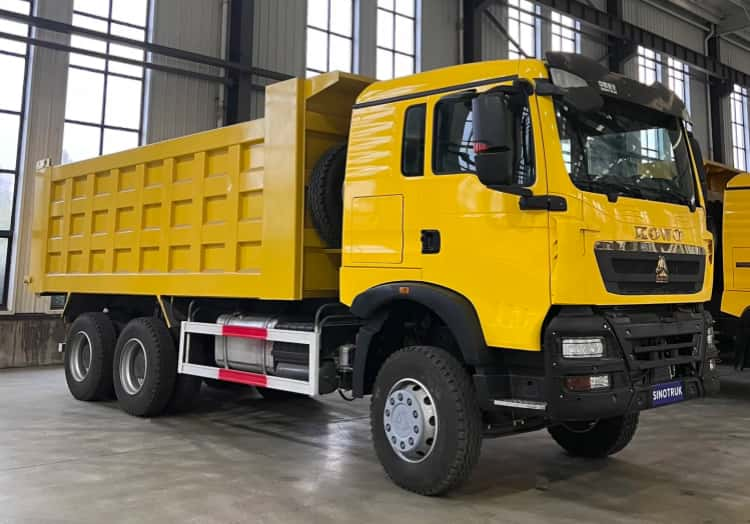
Most West, East and Southern African markets require pre-export inspection. Programs such as SONCAP, PVoC and COC verify roadworthiness and emissions. Standard used-vehicle inspection only covers basic function. Add REMAN ROAD’s full traceability pack: NDT scans, tear-down logs, wear-part replacement records and validation test results. This builds confidence for inspectors and speeds up release.
Budget for all hidden port charges
Duty and VAT are not the only costs. Demurrage, storage, inspection fees, agent commissions and transit bonds can add up quickly. Port congestion is common in major African hubs. Build extra time and contingency budget into the import schedule to avoid unexpected cash pressure.
Keep documents linked to each VIN or serial number
Every machine’s paperwork must be individually matched. Do not bundle multiple units into one generic declaration. Customs and mine auditors will cross-check serial numbers against inspection reports. Missing or mismatched records can delay clearance and void warranty coverage.
Work with local agents specialised in heavy commercial vehicles
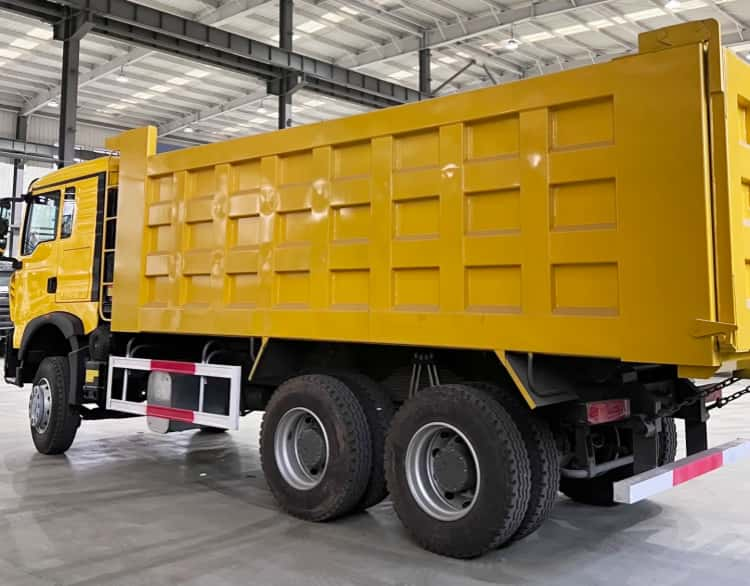
General clearing agents often lack experience with reman heavy machinery. Choose an agent familiar with mining trucks, tippers and conformity requirements. They know local inspector expectations and can resolve classification disputes on site.
Final Takeaway
Successful customs clearance for reman heavy machinery hinges on correct classification, honest valuation and recognition that reman does not reset the original manufacturing age. REMAN ROAD certified reman heavy machinery’s traceability documentation supports your declaration and distinguishes certified reman from informal used rebuilds. For importers, the key takeaway is simple: prepare compliance evidence before the ship sails, not after it arrives at port.