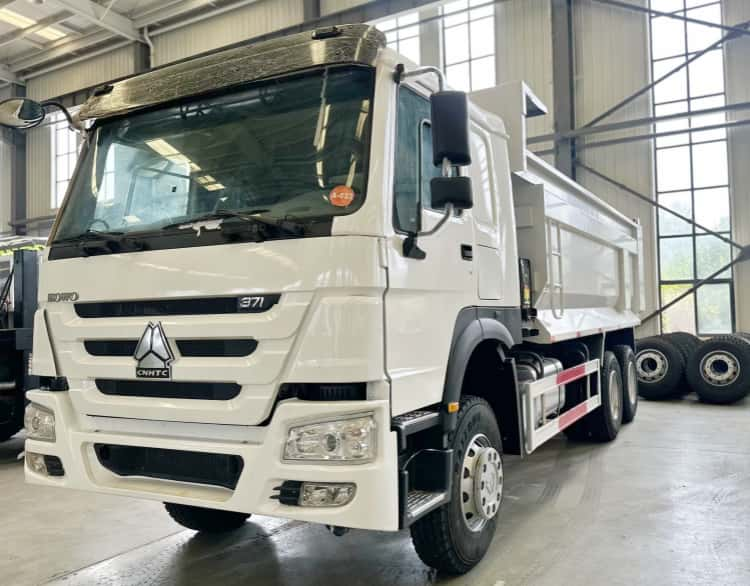
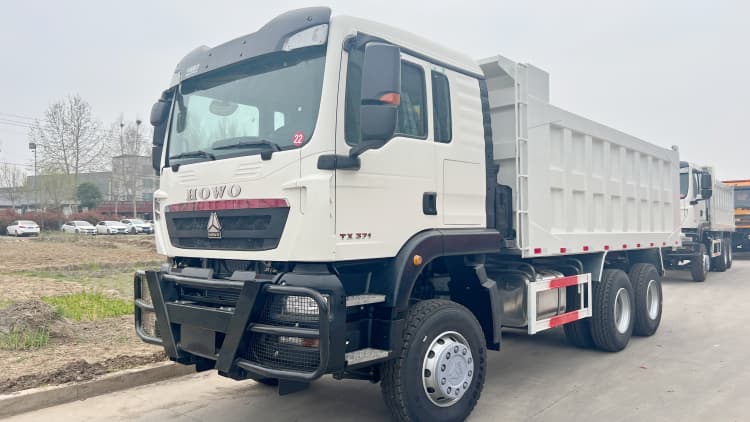
Remanufacture vs Repair: Where the Engineering Boundary Lies
Intro
Many fleets mistakenly treat repair and remanufacture as interchangeable work. A repair responds to a known breakdown, targeting only the broken part to restore basic function. Standardized remanufacture is a proactive, full-asset industrial process. It tears the vehicle down, screens every component against fixed standards, replaces mandatory wear parts and validates the complete system.
The engineering line is not whether the truck can drive after work. It lies in scope, risk control and whether the asset receives a predictable, graded second lifecycle. Repair addresses symptoms; verified remanufacture addresses latent, hidden fatigue that has not yet caused failure.
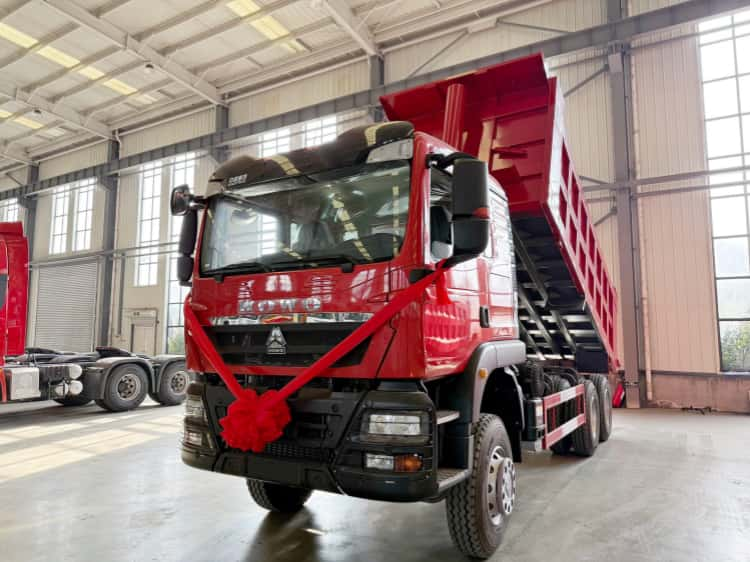
Repair: Targeted, failure-driven intervention
Repair starts from a fault. If a radiator leaks or a bearing fails, technicians only remove and replace that defective item. Other parts stay untouched, even if they carry invisible fatigue, corrosion or wear. The core chassis, remaining driveline components and electronic settings retain their accumulated service history.
There is no requirement for full NDT scanning, torque sequence control or system-wide load testing. After repair, the truck’s original service age and residual risk profile remain unchanged. It returns to service, but it does not get a new lifecycle rating.
Genuine Remanufacture: Systematic, full disassembly and risk reset
Genuine remanufacture starts before any single fault exists. The truck is fully stripped down to individual components. Every part goes through tolerance measurement, NDT screening and three-way sorting: reuse, renew, scrap. All mandatory wear parts are replaced by rule, regardless of visual condition.
Reassembly follows documented torque sequences, calibrated tool standards and locked ECU/brake calibration. Dynamometer and loaded road tests validate integrated performance. Finally, the asset receives a formal grade and duty envelope, defining its safe operating cycle for the second life. The standardized remanufacture process eliminates hidden risks that a simple repair would leave untouched.
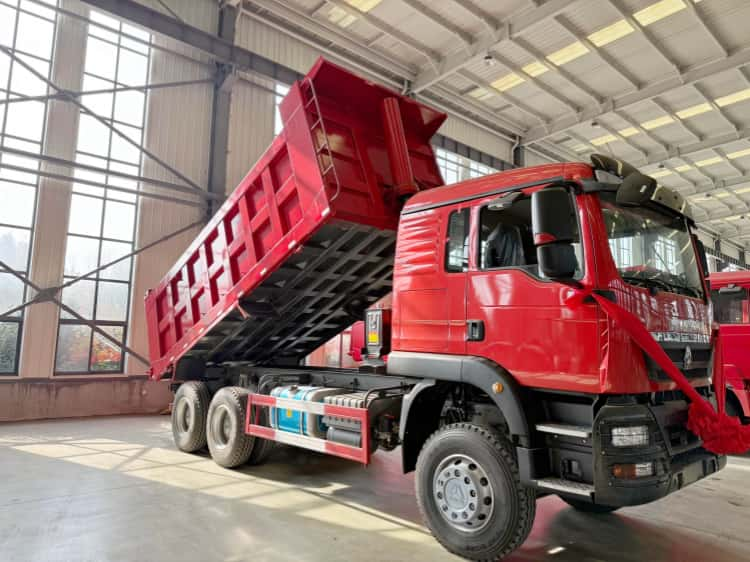
The core engineering dividing line
- Repair only fixes what is broken. It accepts the existing wear state of all untouched components. Genuine remanufacture evaluates every component. It rejects parts that carry unacceptable fatigue risk, even if they are still functioning.
- Repair restores immediate function. Verified remanufacture resets the asset’s usable service window within proven mechanical limits.
- Repair has no uniform acceptance criteria. Genuine remanufacture follows repeatable, auditable engineering standards, as seen in REMAN ROAD’s workflow.
Practical consequences for fleet owners
A repaired truck may fail again quickly from separate, undetected wear points. A certified reman truck carries traceable evidence that high-risk components have been screened or renewed.
Repair is suitable for short-term, low-risk fault correction. It cannot deliver the predictable TCO and warranty confidence of reman. Buyers should not accept a “repaired” truck marketed as remanufactured. Missing full disassembly, NDT and system validation is a clear red flag.
Final Takeaway
Repair fixes a fault. Standardized remanufacture systematically resets the whole asset’s risk profile. The engineering boundary lies in whether the work targets only known failures, or evaluates every component to grant a controlled second lifecycle. For fleet buyers, the key takeaway is simple: a truck that has only been repaired can run, but it has not been remanufactured.