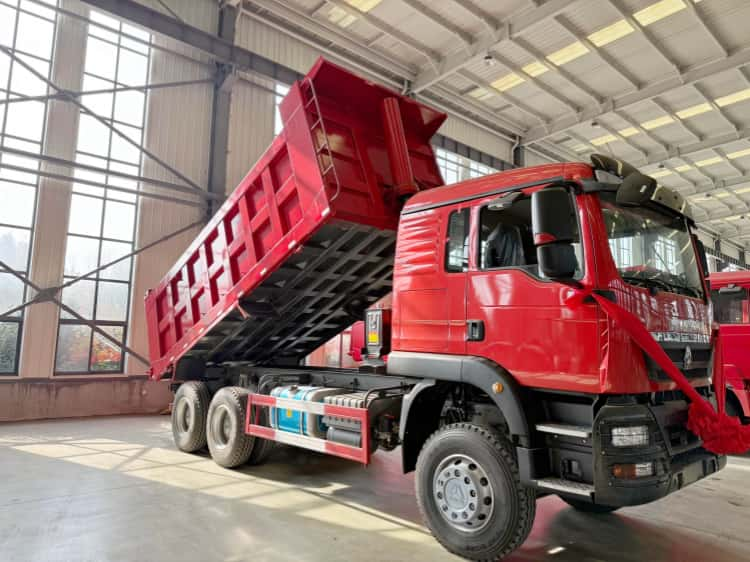
Circular Asset Logic: How Truck Reman Reclaims Embedded Steel Value?
Intro
When a heavy truck retires from service, most of its value is locked inside the chassis steel. Smelting scrap steel consumes huge energy and releases carbon, wiping away all the industrial work that shaped the frame, suspension brackets and load-bearing structures. Circular asset logic changes this outcome. Genuine truck remanufacturing does not treat the truck as raw scrap. It treats the qualified steel core as a reusable, high-value industrial asset. REMAN ROAD’s NDT screening and grading rules are the foundation of this model: only steel free of critical fatigue cracks gets to retain its embedded value for another duty cycle.
What is embedded steel value for heavy assets?
Embedded value includes all the energy, labour and material cost invested to produce, forge and machine the chassis frame. This value is already spent once the truck rolls off the original factory line. If the chassis goes for scrap, this investment is lost, and new energy must be consumed to make replacement steel.
For mining tippers and long-haul tractors, the reinforced frame represents the single largest share of the vehicle’s embodied value. Genuine truck reman’s core mission is to capture this residual value, provided the steel’s structural integrity passes engineering verification.
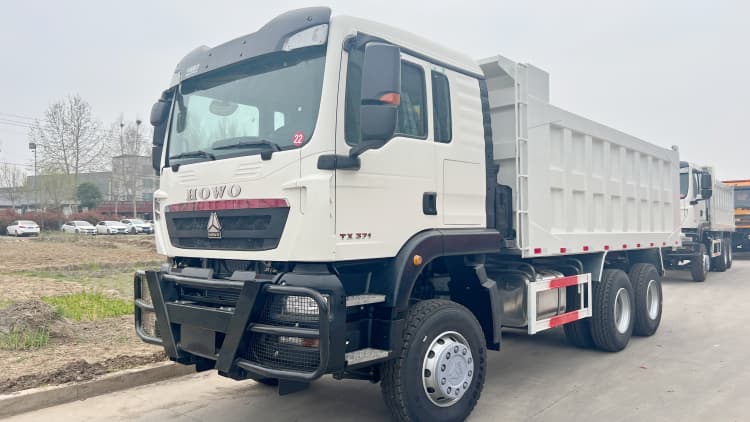
NDT screening separates salvageable steel from scrap steel
Not every retired chassis qualifies for value retention. Frames with severe crack propagation, overstress deformation or deep corrosion must be scrapped. During REMAN ROAD intake screening, ultrasonic and magnetic particle testing maps hidden fatigue. Steel that passes the inspection is retained as the base of the reman truck.
Minor surface defects can be repaired under controlled welding protocols, but irreversible material fatigue rules the core out immediately. This step prevents unsafe steel from re-entering fleets and also avoids wasting resources on unsalvageable cores.
Reman extends steel service without re-smelting
Traditional circular flow for end-of-life trucks is scrap → furnace → new steel → new frame. Genuine truck reman shortens the loop: qualified core → tear-down → component renewal → reassembly → second life.
The primary steel structure stays intact. Only consumables, bearings, seals and worn driveline parts are replaced. This cuts carbon output dramatically and preserves the embodied energy locked in the frame. Every certified reman truck effectively delays the emissions and resource cost of producing a brand-new chassis.
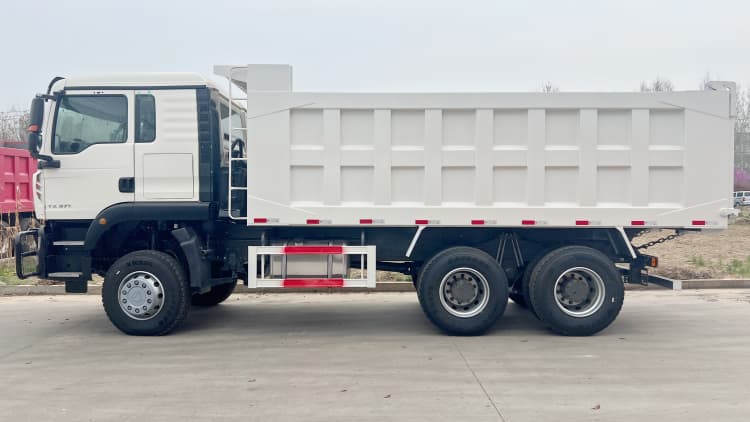
The duty envelope limits protect the retained steel value
Preserving embedded steel does not mean the chassis can operate at its original new-truck rating. Even healthy steel accumulates fatigue history. REMAN ROAD genuine truck reman assigns a grade and matching duty envelope to every retained core. Payload limits, continuous cycle counts and rest intervals are defined to slow further fatigue accumulation.
Without these guardrails, overloading will quickly damage the steel, turning the valuable core into scrap far ahead of schedule. The genuine truck remanufacturing grading system is the protection mechanism that makes circular steel reuse sustainable.
Traceability proves the value for ESG and finance teams
Every eligible steel core’s inspection records are logged in the VIN traceability log. Fleet operators can use this dataset to report retained embodied carbon for ESG disclosures. Lenders and insurers also recognise the preserved steel value, supporting fair residual-value estimates.
This is a key distinction: cosmetic refurbishment cannot claim this circular benefit, because it never validates the underlying steel condition.
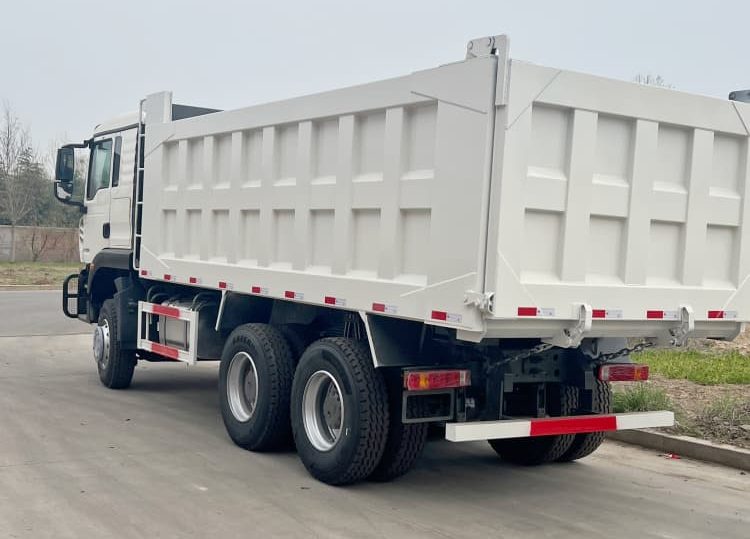
Final Takeaway
Genuine truck remanufacturing reclaims embedded steel value by keeping structurally sound chassis frames out of the scrap cycle. REMAN ROAD’s NDT screening and duty envelope rules ensure the steel can deliver a safe, predictable second life. For fleet leaders, the key takeaway is simple: the steel frame is the heart of circular value, and engineering safety checks decide whether that value can be unlocked.