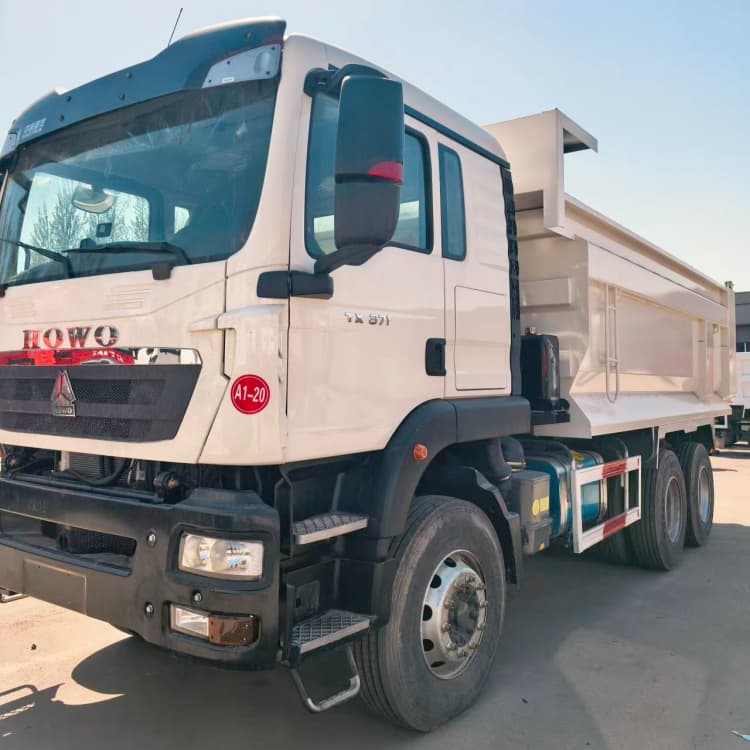
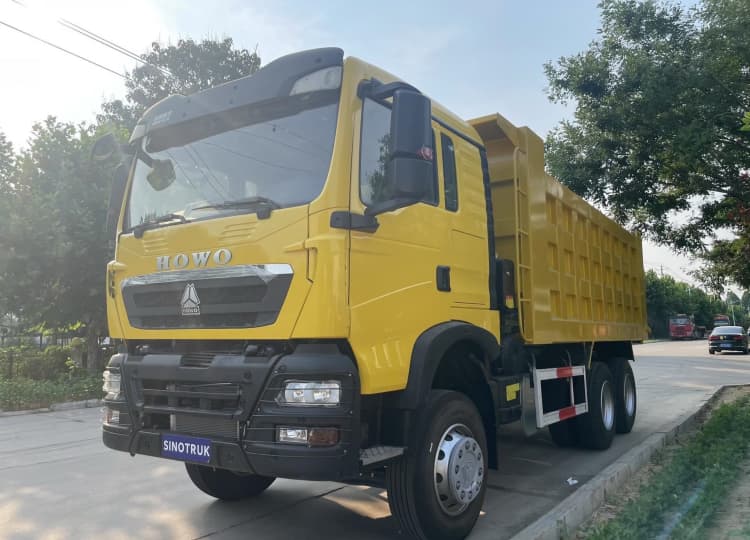
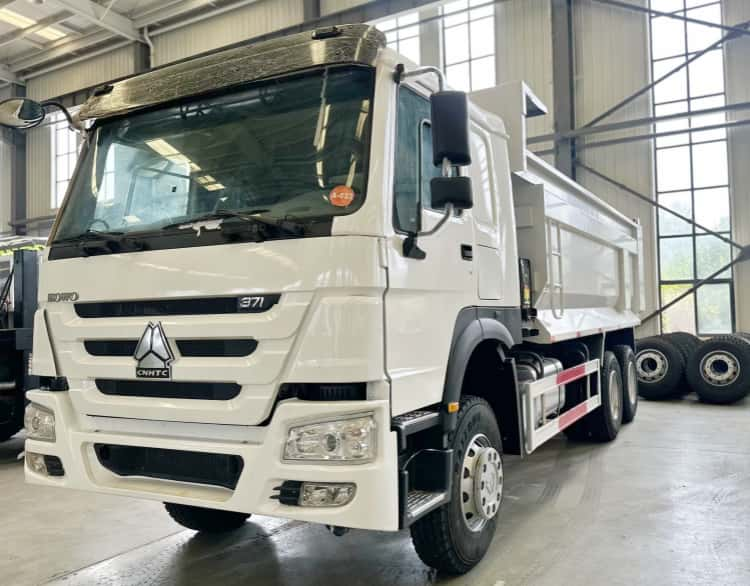
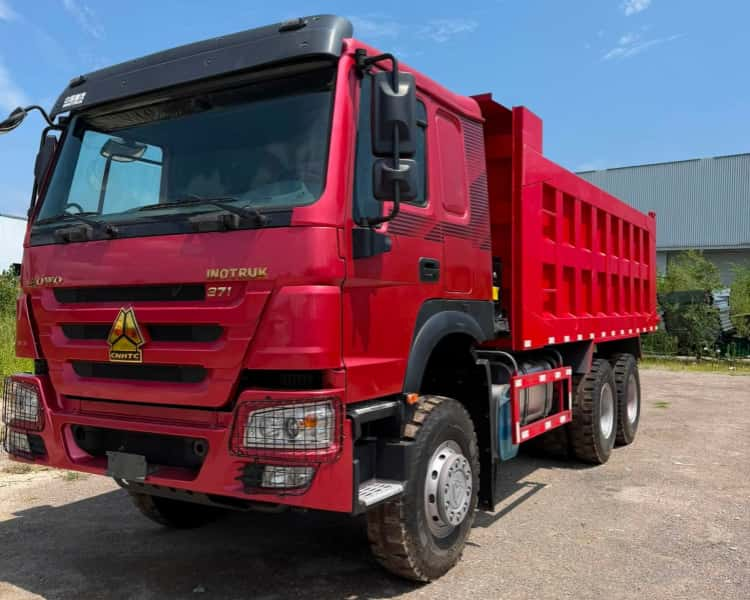
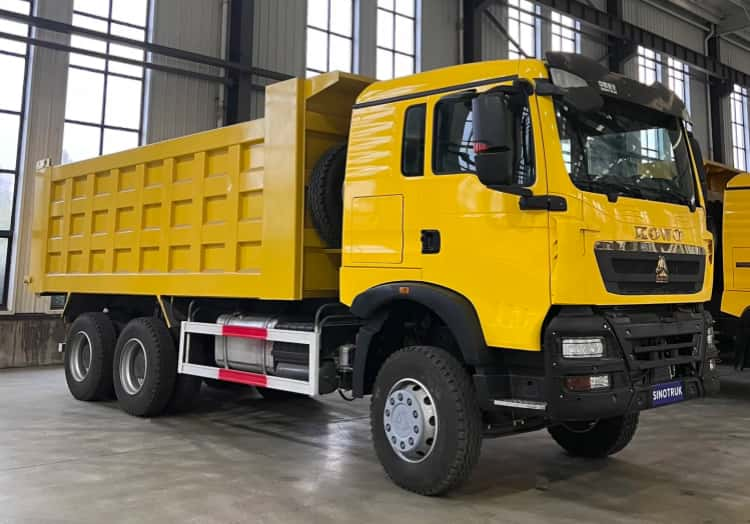
Complete Guide to Importing Chinese Reman Trucks Into West Africa
Intro
West Africa is not a single unified market. Nigeria, Ghana, Côte d’Ivoire, Togo and Senegal each enforce separate vehicle age caps, conformity programmes and tax formulas. Many importers treat certified Chinese reman trucks the same as generic used trucks, which leads to failed clearance, heavy penalties or seizure. REMAN ROAD structures its reman build records specifically for this cross-border environment. This guide covers the core workflow, mandatory paperwork and common pitfalls for fleet buyers.
Step 1: Lock destination country rules before sourcing
Age restriction is the first hard filter. Some markets impose punitive tariffs on trucks older than 10 or 15 years, while others ban high-age units outright. Steering side, speedometer unit and emission standards also vary. Certified Chinese reman trucks does not override these national laws. Buyers confirm the target country’s rules before selecting cores, instead of trying to negotiate exemptions at the port.
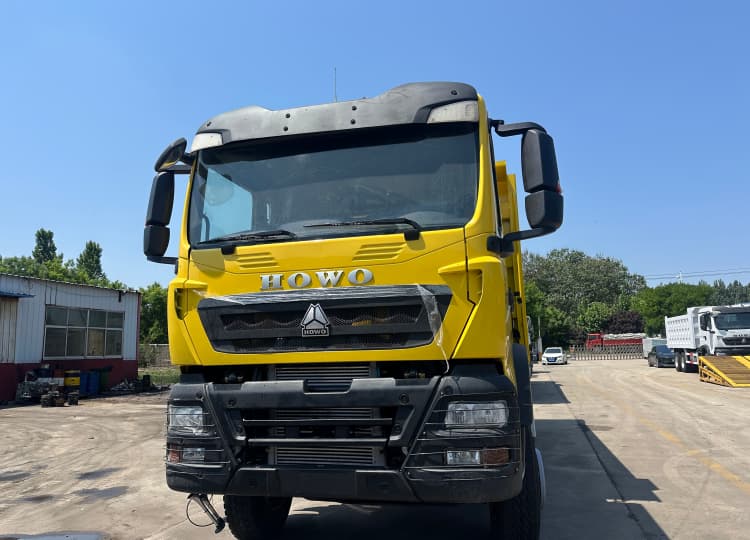
Step 2: Pre-export conformity and REMAN ROAD documentation
Most West African countries require pre-export verification before shipment. Nigeria uses SONCAP, Ghana runs PVoC, and other territories follow local conformity schemes. Basic used-truck inspection only checks roadworthiness.
REMAN ROAD adds the full VIN traceability package: NDT scan reports, tear-down sorting logs, mandatory wear-part replacement records, calibration lock-in and dyno/loaded test results. This set proves the asset followed a controlled reman standard, not random refurbishment.
Step 3: Shipping mode and port selection
RORO is the most common choice for heavy tippers and tractors, with simpler loading and lower risk of damage. Container or flat rack suits smaller orders but adds handling cost. Main entry ports include Lagos, Tema, Abidjan, Lomé and Dakar. Landlocked fleets use transit bonds and inland haulage permits. Buyers must budget for port congestion, demurrage and transit delays, which are frequent across the Gulf of Guinea.
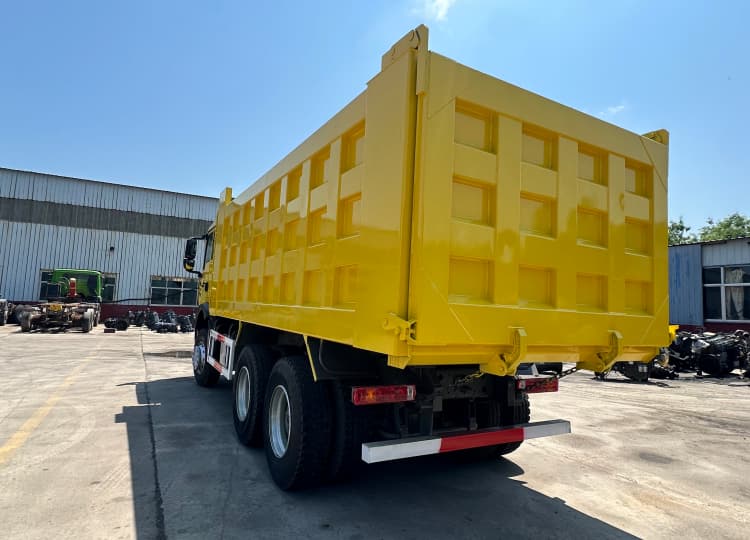
Step 4: Customs valuation, duty and tax planning
West African customs authorities often run reference-price checks. Under-invoicing triggers valuation disputes, fines and extended inspection. Duty and VAT are calculated on CIF value.
REMAN ROAD’s certified truck reman records support transparent valuation: the invoice clearly states it is certified Chinese reman trucks, not a brand-new truck or ordinary second-hand unit. Fleets work with a licensed local clearing agent familiar with heavy commercial vehicle rules.
Step 5: Port clearance and post-arrival inspection
After vessel arrival, the agent submits declaration, pays taxes and attends physical inspection. Inspectors may verify VIN, engine number, brake function, emission behaviour and age. If the reman documentation is inconsistent or missing, the truck is held.
A clean REMAN ROAD certified truck reman log speeds up inspection, as auditors can cross-check build and test evidence without lengthy on-site disassembly.
Step 6: Local registration and insurance
Customs release is not the final step. The truck still needs roadworthiness certification, local plate registration and mandatory third-party insurance. Some mining zones require additional fleet or site safety paperwork. The duty envelope and grade certificate stay with the vehicle for operators, maintenance teams and site auditors.
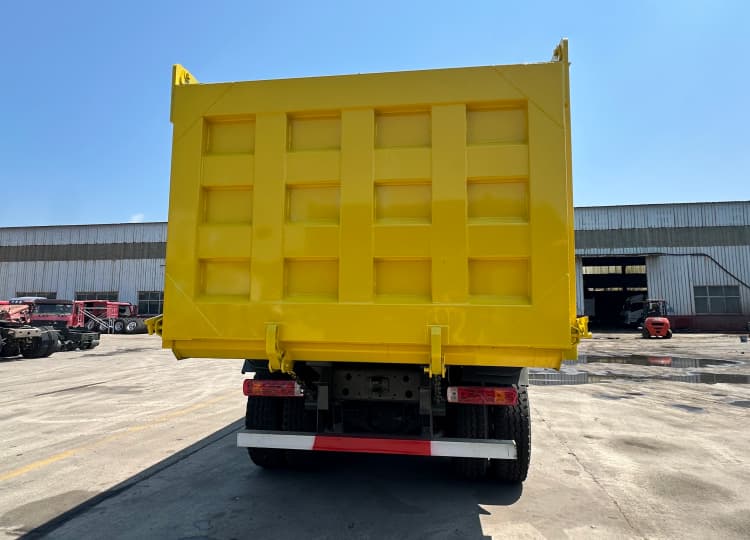
Critical risks to avoid
Mixing certified Chinese reman trucks with undocumented used stock is a major risk. Age calculation is based on original manufacture date, not reman completion date.
Certified Chinese reman trucks cannot reset the legal birth year of the chassis. Unapproved ECU tuning, missing wear-part replacement records or incomplete NDT reports will invalidate both clearance and warranty.
Final Takeaway
Importing Certified Chinese reman trucks into West Africa depends on country-by-country compliance, pre-export conformity and full traceability. REMAN ROAD’s structured records separate certified truck reman from informal used rebuilds during customs and registration. For fleet buyers, the key takeaway is simple: the best import strategy is to match your reman build documentation to the destination’s rules before the truck leaves China.