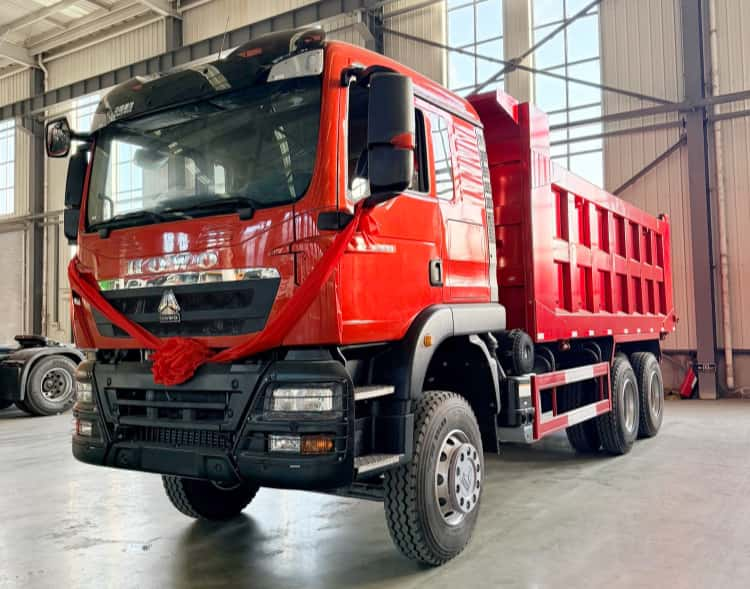
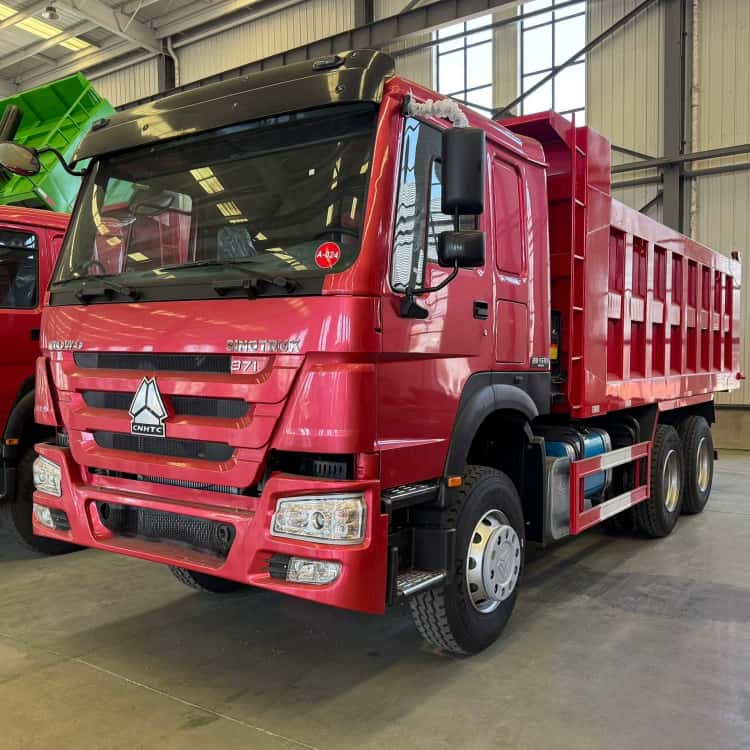
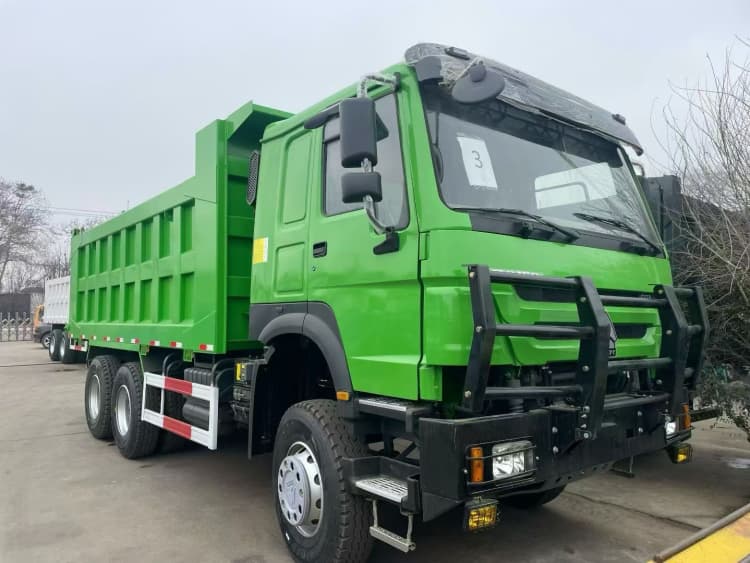
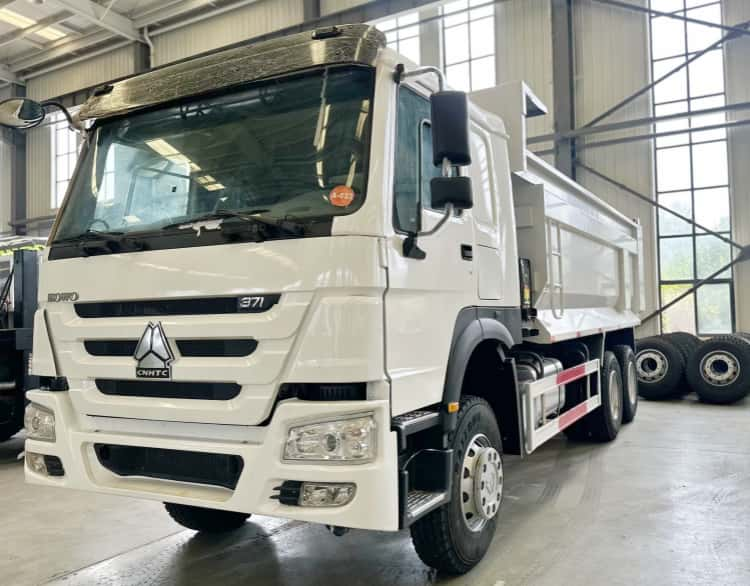
Most Durable Reman Tipper Trucks Under Strict Budget Restrictions
Intro
Tipper fleets operate in punishing conditions: cyclic loading, rough ground, impact shocks and constant corrosion. Tight budget pressure often pushes buyers toward low-price, unvetted second-hand or superficially refurbished units. These cheap options frequently lead to repeated breakdowns and huge unplanned downtime costs. Certified reman tipper trucks offer a balanced alternative. With REMAN ROAD’s grading rules, buyers can target durable assets within budget, by prioritising the right core attributes instead of chasing the lowest upfront price.
Prioritise chassis health over low mileage
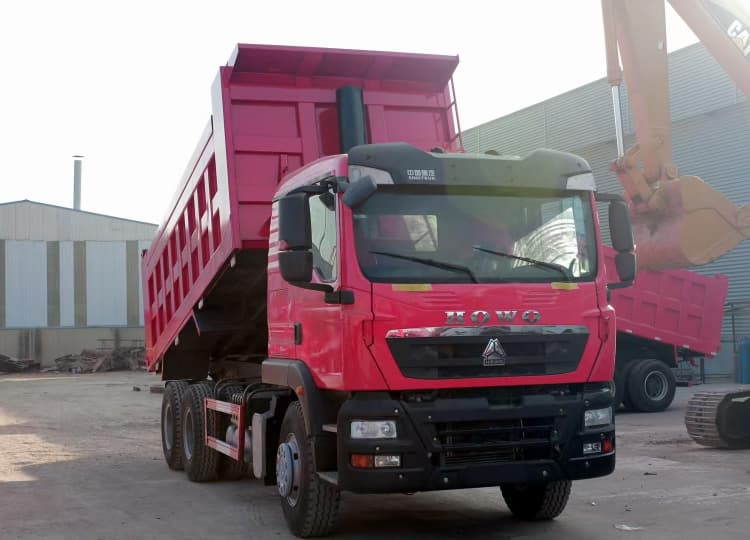
For tipper applications, mileage is a weak indicator of condition. A short-mileage tipper may have endured repeated heavy overload and site abuse. The first filter is NDT results on frame rails, suspension hangers and tipping gear mounts. These are the highest-stress zones for tipper trucks. Reman tipper trucks with clean structural scans and a Grade A rating delivers far better durability than a cheaper unit with hidden subsurface fatigue. Budget should be allocated to structurally sound cores first, cosmetic upgrades second.
Match grade and duty envelope to actual site work
Not every tipper needs the highest cyclic rating. REMAN ROAD’s grade system lets fleets match assets to their real workload. High-grade certified reman tipper trucks suit continuous mining and quarry cycles. Medium-grade units fit less intensive municipal waste and construction haulage. Buyers can avoid overpaying for capacity they do not need, while skipping risky ungraded stock. The duty envelope sets clear payload and cycle limits to prevent premature wear.
Focus on powertrain and tipping system validation
Tipping cylinders, hinge assemblies and the PTO system are unique failure points for tippers. Durable reman tipper trucks must complete dedicated bench and load testing for these assemblies. Dyno validation for engine and transmission, plus loaded tipping-cycle tests, confirm consistent performance. Mandatory wear parts such as cylinder seals, hydraulic hoses and friction linings are fully replaced. Cutting corners on hydraulic components is the most common cause of early failure on budget tipper builds.
Avoid overspending on cosmetic restoration
Under budget constraints, cosmetic work is optional. Paint, cab trim and minor surface rust treatment add cost without improving structural durability. REMAN ROAD separates essential structural and functional restoration from cosmetic extras. Budget-focused buyers can select builds with functional priority only. Money saved on appearance goes toward critical NDT screening, component renewal and load testing — the factors that extend service life.
Review traceability records before purchase
Budget reman purchases carry extra risk when records are missing. Buyers must check the VIN log for NDT reports, tear-down sorting records, wear-part replacement and final validation test results. If documentation is incomplete, low price is not a bargain. Hidden fatigue or skipped component renewal will surface quickly in tipper service. Full traceability proves the reman build followed the standard and supports warranty coverage.
Final Takeaway
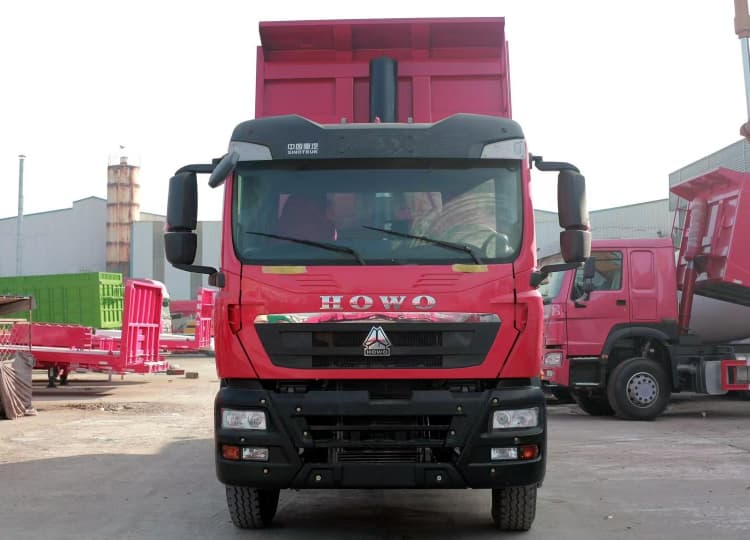
Durable budget reman tipper trucks rely on structural screening, workload matching and system validation, not low asking price. REMAN ROAD’s grading and traceability framework helps fleets filter reliable certified reman tipper trucks and avoid costly low-quality stock. For fleet buyers, the key takeaway is simple: the best budget tipper is not the cheapest one. It is the one whose structural limits match your site duty cycle.