Buying Guide: Differences Between Brand New, Used & Heavy Reman Truck
Introduction
When fleet managers start sourcing heavy haul, mining or logistics trucks, three main options emerge: brand-new trucks, ordinary used trucks, and certified heavy reman truck. On the surface, all three can perform haulage work, but they differ dramatically in upfront cost, reliability, hidden risk, lifecycle reset, documentation and long-term TCO (total cost of ownership).
This buying guide breaks down the core distinctions to help buyers avoid costly misselection, with standards aligned to REMAN ROAD certified reman workflows.
Core Definition of Each Option
- Brand-New Heavy Truck A factory-built unit made from virgin raw materials and brand-new components. It comes with full OEM factory warranty, zero prior operating history, factory calibration and original production quality controls.
- Ordinary Used Heavy Truck A pre-owned truck that has completed part of its service life. It is sold “as-is”, with only basic cleaning or minor fixes in most cases. There is no mandatory systematic disassembly, fatigue testing or wholesale replacement of wear parts. Its remaining service life is unknown.
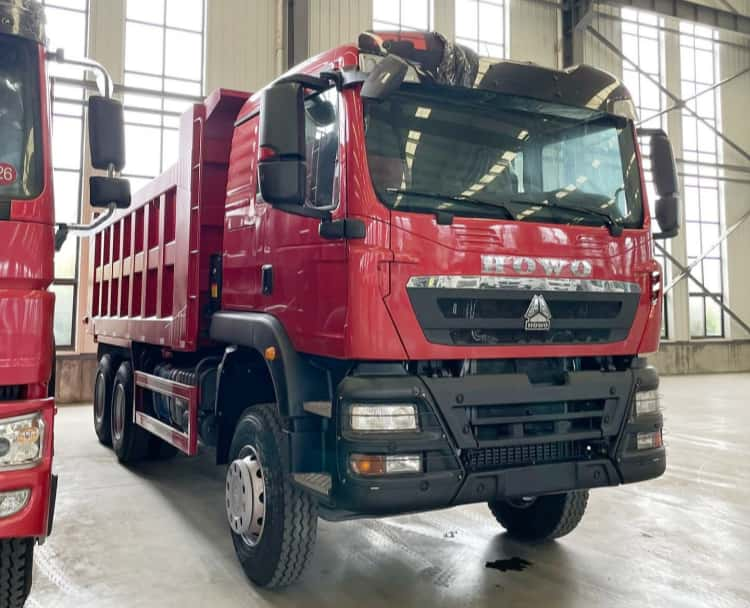
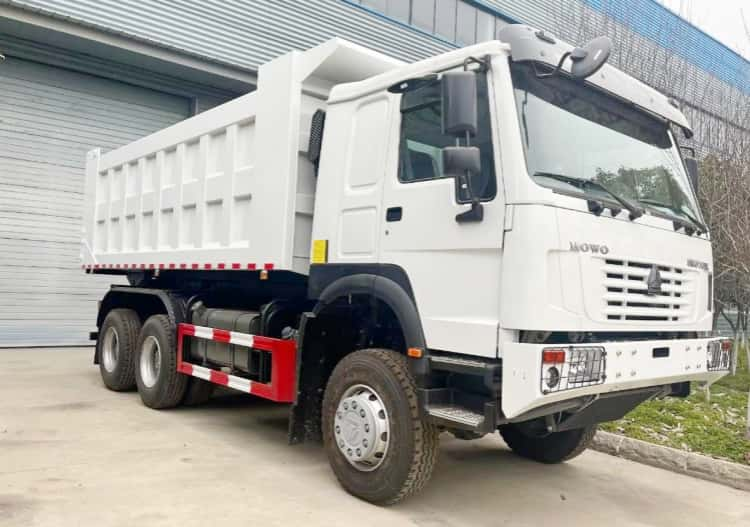
- Certified Heavy Reman Truck (REMAN ROAD Standard) A qualified core truck goes through full disassembly, component sorting, NDT fatigue inspection, precision re-machining, mandatory replacement of all fatigue-limited consumables, bench/dyno/loaded road testing and formal certification. Its service cycle is reset to OEM-equivalent performance standards, supported by traceable records and transferable reman warranty.
Side-by-Side Comparison of Key Criteria
Upfront Purchase Cost
- New Truck: Highest price, large CAPEX outlay
- Heavy Reman Truck: Roughly 50–60% of new truck price, moderate capital cost
- Used Truck: Lowest sticker price, but price does not reflect hidden repair liabilities
Component Condition & Fatigue Risk
- New Truck: All parts brand-new, no accumulated metal fatigue
- Heavy Reman Truck: Sound load-bearing cores retained after NDT screening; bearings, seals, synchronisers, brake linings and hoses all replaced with new OEM-grade parts. Hidden cracks and fatigue defects are eliminated before delivery.
- Used Truck: Fatigue accumulates unseen in frame, crankshaft, axles and gear sets. Only visible broken parts may have been fixed; most aged wear components remain in place.
Performance Benchmark
- New Truck: Full OEM rated power, torque and fuel efficiency
- Certified Heavy Reman Truck: ≥98% OEM rated performance, validated via dyno and loaded road tests
- Used Truck: Performance varies widely; power fade, oil burn, shifting issues and leaks often develop progressively
Warranty Coverage
- New Truck: Original OEM factory warranty, long coverage term
- Certified Heavy Reman Truck: REMAN ROAD transferable warranty covering remanufactured assemblies, with clear terms
- Used Truck: Usually sold without meaningful warranty, or only very short informal dealer guarantees
Quality Documentation & Traceability
- New Truck: Factory build certificate, OEM paperwork
- Heavy Reman Truck: Complete traceability dossier: core grading, NDT scans, measurement logs, parts manifest, dyno reports and carbon LCA statements
- Used Truck: Limited or incomplete service history; mileage and prior overload records often unverifiable
Depreciation & Resale Value
- New Truck: Sharp initial depreciation immediately after delivery
- Certified Heavy Reman Truck: Slower depreciation, higher residual value backed by certification and test records
- Used Truck: Steep, unpredictable depreciation; buyers apply heavy risk discounts
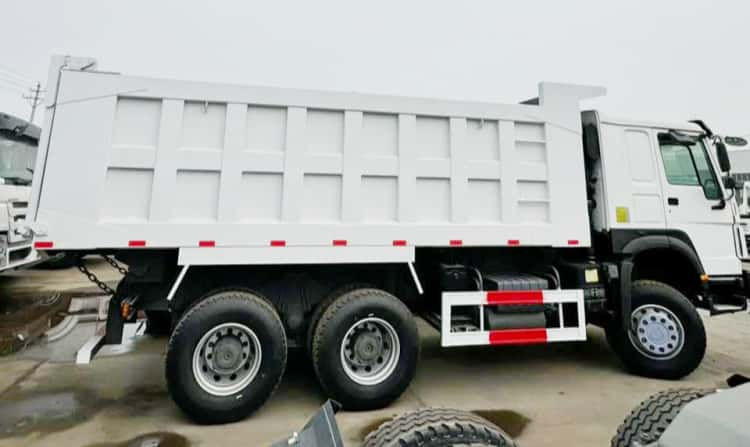
Lead Time for Delivery
- New Truck: Long lead time, subject to factory production, component shortages and shipping backlogs
- Heavy Reman Truck: Shorter lead time, supported by REMAN ROAD’s core supply and batch production capacity
- Used Truck: Can be sourced quickly, but available stock quality is inconsistent
Environmental & ESG Eligibility
- New Truck: High embodied carbon from raw material smelting and manufacturing
- Heavy Reman Truck: Verified carbon savings, formal LCA reports, eligible for green tender and ESG reporting
- Used Truck: No standardised carbon or circular economy documentation
Common Buyer Pitfalls to Avoid
- ❌ Confusing “repaired used truck” with reman: A used truck that got an engine rebuild is still not remanufactured unless it follows the full standardised workflow, NDT screening and system-wide component renewal.
- ❌ Judging quality only by appearance: Paint, new tyres and clean interiors can disguise internal fatigue, which is the leading cause of roadside breakdowns.
- ❌ Treating low used price as the best value: Cheap used trucks frequently generate emergency repair bills, downtime losses and contract penalties that far exceed initial savings.
- ❌ Assuming all reman trucks are equal: Only certified heavy reman trucks with locked traceability records meets OEM-equivalent standards; informal local overhauls are not genuine remanufacturing.
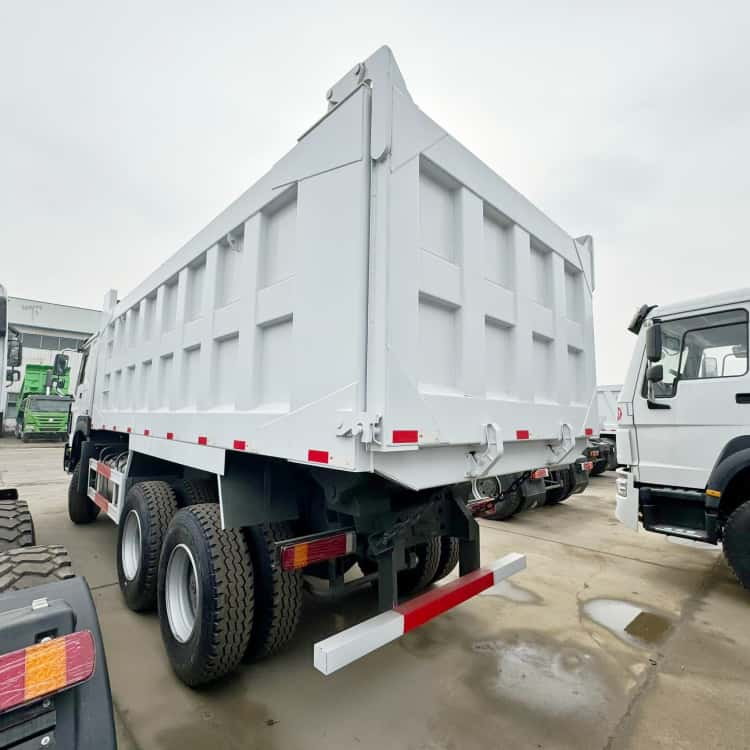
How to Select Based On Your Fleet Needs?
- Choose brand-new trucks if you have ample capital, require full OEM factory warranty, run ultra-long asset retention cycles and can accept long lead times.
- Choose REMAN ROAD certified heavy reman trucks if you want near-new heavy-duty performance, controlled CAPEX, faster delivery, auditable quality records, ESG compliance and predictable uptime for mining, logistics and cross-border haulage fleets.
- Choose used trucks only if you have an in-house expert inspection team, accept high breakdown risk, and use the vehicle for non-critical, light-duty work where downtime carries minimal financial penalty.
Closing
The biggest difference between new, used and certified reman heavy trucks lies in risk control and lifecycle reset. New trucks offer maximum certainty at the highest cost. Used trucks carry low upfront price but unknown fatigue risk. REMAN ROAD certified reman sits in the middle, resetting the asset’s service life through standardised inspection and rework, delivering verified heavy-duty performance with traceable proof and a balanced TCO profile.
For fleet buyers focused on predictable haulage output, budget control and auditable compliance, certified reman is often the most strategic choice.