
What is Remanufacturing?
Overview
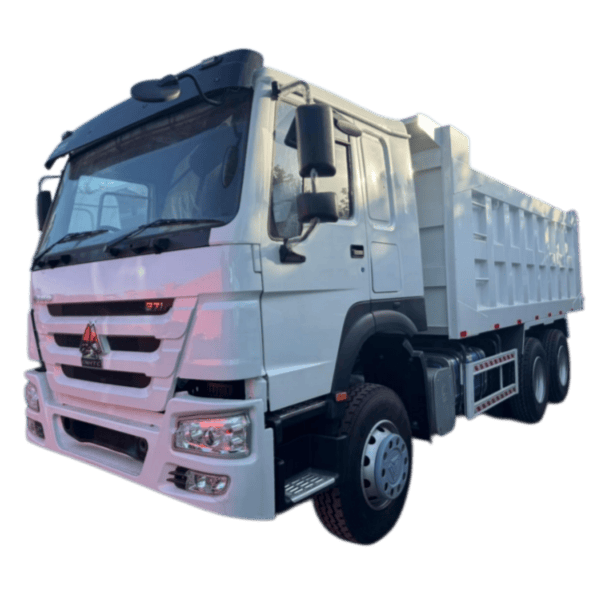
Genuine heavy truck remanufacturing is not “fixing an old truck” or cosmetic rebuilding. It is an engineering-led, gated industrial lifecycle-reset process defined by structural safety, full-system restoration, whole-vehicle validation, traceability and standardised warranty. For global heavy-duty fleets, REMAN ROAD certified reman delivers balanced value on TCO, operational reliability, ESG compliance and procurement transparency. As policies and industrial standards evolve toward vehicle-centred circularity, standardised reman will become a core pillar of the global heavy asset circular ecosystem.
Table of Contents
- What Is Genuine Truck Remanufacturing?
- Core Principles of REMAN ROAD Certified Remanufacturing
- Standard Workflow for Heavy Truck Remanufacturing
- Clear Differentiation: Remanufacturing vs Repair, Overhaul, Refurbishment, Recycling
- Why Fleet Buyers Should Choose REMAN ROAD Certified Reman Trucks?
- Environmental, Carbon and ESG Advantages of Certified Remanufacturing
- Global Industry Trends for Heavy Truck Remanufacturing
- REMAN ROAD: The Shared Framework for Global Remanufacturing
Related Articles
What Is Genuine Truck Remanufacturing?
Genuine truck remanufacturing is an industrialised, repeatable lifecycle-reset process with fixed eligibility gates, engineering limits and independent validation.
Formal Engineering Definition
- Genuine truck remanufacturing is a controlled industrial process applied to an eligible retired heavy truck.
- After intake structural qualification, the vehicle undergoes complete disassembly, non-destructive structural inspection, component grading, mandatory wear-part renewal, precision restoration, cross-system calibration, full-vehicle performance verification and third-party audit sampling.
- A finished reman truck meets defined safety, performance and emission acceptance thresholds, with chassis-bound traceability records and formal vehicle-level warranty.
Non-Negotiable Precondition: Structural Eligibility
- Only trucks with repairable frame and cab structures can enter the reman workflow.
- Any vehicle with irreparable structural fatigue, permanent deformation or uncorrectable corrosion is rejected and diverted to regulated recycling.
- Structural integrity is the first gate, not an optional check.
REMAN ROAD’s Definition Boundary
- REMAN ROAD fills the gap of missing whole-vehicle standards in the global reman ecosystem.
- It unifies terminology across regions and eliminates the common market practice of labelling overhaul, cosmetic rebuild or partial component repair as remanufacturing.
Core Principles of REMAN ROAD Certified Remanufacturing
Every process gate, inspection item and acceptance criterion is derived from these principles, ensuring consistent quality across different workshops, countries and fleet procurement projects.
Whole-Vehicle Centricity
- Evaluation, restoration and final validation target the complete truck as a balanced system.
- Powertrain, braking, steering, electrical network, after-treatment and load-bearing structure must work in coordination.
- Component bench performance alone cannot qualify a vehicle as remanufactured.
Structural Safety Priority
- Frame, cab and all primary load-carrying structures are subject to NDT inspection before restoration work begins.
- Hidden subsurface cracks, weld fatigue and internal corrosion must be identified, documented and resolved before assembly.
Full Disassembly and Objective Component Grading
- The vehicle is fully stripped, rather than selectively opened for fault repair.
- Every component is graded against fixed engineering thresholds into four categories: retain, precision restore, mandatory replace, scrap.
- Grading decisions are traceable, not based on technician subjective judgement.
Standardised Restoration and Wear-Part Replacement Rules
- All wear-limited consumables and fatigue-sensitive parts are renewed according to standard schedules.
- Restored components follow defined OEM-equivalent engineering limits; ad-hoc field fixes and makeshift rework are prohibited.
Integrated Whole-Vehicle Validation
- Final acceptance requires static inspection, dynamometer testing, loaded road test and emission compliance verification for the complete truck.
- Cross-system communication, sensor matching and thermal balance are validated.
Closed Traceability and Formal Vehicle Warranty
- A unique digital file linked to chassis VIN records intake assessment, NDT reports, component grading logs, assembly torque data, calibration parameters and final test records.
- Certified reman trucks carry a clear, vehicle-level warranty scope, separate from limited repair warranties.
Standard Workflow for Heavy Truck Remanufacturing
The reman workflow is sequential and gated. No downstream process can skip upstream qualification. Gate failure stops the process and triggers rework, reassessment or recycling diversion.
Gate 1: Intake assessment and vehicle eligibility screening
- Document service history, accident record, overload background and initial dimensional check to decide whether the truck qualifies for lifecycle reset.
Gate 2: NDT structural inspection of frame and cab
- Ultrasonic, magnetic particle or penetrant inspection for load-bearing structures; record defects, calculate residual safety margin and approve or reject structural restoration.
Gate 3: Full disassembly, precision cleaning and component segregation
- Systematic stripping of all systems; high-standard cleaning to remove carbon, scale and corrosion, preparing parts for inspection and grading.
Gate 4: Component grading, scrapping, renewal and precision restoration
- Implement grading rules, replace mandatory wear parts, apply surface restoration, thermal rectification or machining for qualified reusable components.
Gate 5: System reassembly, torque control and cross-system calibration
- Follow standard assembly sequences, controlled torque values, ECU flashing, sensor calibration and after-treatment matching to guarantee system compatibility.
Gate 6: Whole-vehicle functional, performance and emission testing
- Static check, dynamometer power test, loaded road trial, braking performance test, emission and OBD verification.
Gate 7: Third-party sampling audit and certification issuance
- Independent auditors review documentation, spot-check vehicle condition and confirm compliance with REMAN ROAD baseline requirements.
Gate 8: Traceability record locking, warranty activation and delivery
- Archive the full lifecycle file, bind warranty terms to the chassis and hand over the certified reman truck to fleet operators.
Clear Differentiation: Remanufacturing vs Repair, Overhaul, Refurbishment, Recycling
Misclassification is the biggest source of market risk for fleet buyers. The table below defines each category from a vehicle-level perspective, so procurement teams can avoid misleading marketing labels.
Certified Truck Remanufacturing
- Purpose: Full lifecycle reset to standardised performance.
- Features: Full disassembly, mandatory NDT structural check, component grading, whole-vehicle testing, full traceability and formal warranty.
Repair
- Purpose: Eliminate a single fault to resume operation.
- Features: Targeted local fix only; no requirement for full disassembly, structural screening or system-wide reset.
Overhaul
- Purpose: Major service of powertrain or one core system.
- Features: Usually limited to engine, gearbox or axle; frame and cab structural inspection remains optional.
Refurbishment
- Purpose: Cosmetic refresh and basic running recovery.
- Features: Focus on appearance and basic driveability; hidden structural and fatigue defects are generally not inspected.
Raw Material Recycling
- Purpose: Recover metal and raw material value.
- Features: Vehicle is dismantled for scrap; the asset lifecycle is permanently terminated.
Why Fleet Buyers Should Choose REMAN ROAD Certified Reman Trucks?
For commercial fleets, procurement decisions are driven by TCO, operational stability, compliance and risk control. Certified truck remanufacturing creates a balanced value proposition that neither new trucks nor ordinary used trucks can replicate.
Controlled Total Cost of Ownership
- Certified reman trucks deliver stable performance at a significantly lower capital outlay than new vehicles, while avoiding the unpredictable breakdown risk of unvetted second-hand trucks.
Predictable Reliability and Lower Unplanned Downtime
- Mandatory structural screening, wear-part renewal and whole-vehicle validation suppress latent structural and system failures, the leading cause of roadside breakdown for ageing heavy assets.
Clear, Auditable Warranty Boundaries
- Traceable production records eliminate warranty disputes.
- Fleet operators know exactly which systems and components fall under remanufacturer coverage.
Simplified Supplier Qualification and Tender Compliance
- REMAN ROAD provides a shared audit checklist. Large fleets and cross-border operators can evaluate reman suppliers against consistent benchmarks instead of custom workshop standards.
Flexible Asset Capacity Adjustment
- Certified reman trucks support fleet scaling without the long lead time of new truck orders, ideal for seasonal transport demand and regional project fleets.
Environmental, Carbon and ESG Advantages of Standard Remanufacturing
The core environmental value of remanufacturing lies in preserving embodied carbon embedded in frame and cab structures, which represent the largest resource and carbon investment of a heavy truck. This differentiates reman from simple repair and raw material recycling.
Massive Raw Material and Energy Savings
- It retains the usable structural asset, cutting consumption of steel, casting materials and manufacturing energy required for new chassis and cab production.
Measurable Carbon Emission Reduction
- Compared with new heavy truck manufacturing, certified remanufacturing delivers verifiable scope 3 carbon reduction, which can be documented for corporate ESG, sustainability reporting and green financing.
Regulated Reverse Supply Chain and Waste Control
- Formal reman facilities manage waste oil, coolant, scrap parts and hazardous materials under industrial environmental rules, avoiding the pollution risks from informal dismantling workshops.
Supports Circular Economy Policy Objectives
- It extends the service cycle of eligible heavy assets, reduces waste generation and aligns with global policy directions for product lifecycle management and circular heavy asset circulation.
Global Industry Trends for Heavy Truck Remanufacturing
The reman industry is transitioning from fragmented component repair to standardised whole-vehicle lifecycle management. REMAN ROAD is built to match these long-term global trends.
Standards Shift from Component Specifications to Whole-Vehicle Benchmarks
- Historically, most industrial standards covered only engines and assemblies.
- Regulators and industry bodies are now developing vehicle-centred rules covering chassis eligibility, structural safety and full-vehicle validation.
Mandatory Digital Traceability Across the Lifecycle
- Digital VIN-linked record systems are evolving from optional quality tools into compliance requirements, supporting audits, cross-border customs clearance and ESG verification.
Cross-Border Standard Harmonisation
- Regional regulatory differences create trade barriers for reman heavy vehicles.
- Industry alliances are aligning core safety, emission and documentation rules to enable orderly global asset circulation.
Third-Party Independent Audits Become a Trust Baseline
- Self-declared quality is losing market credibility.
- Neutral, repeatable audit protocols are becoming a prerequisite for large fleet procurement and cross-border sales.
ESG and Carbon Metrics Integrated Into Reman Evaluation
- Buyers no longer judge reman products only on mechanical quality.
- Carbon saving data, resource accounting and circular economy credentials are core evaluation factors in tender requirements.
REMAN ROAD: The Shared Framework for Global Remanufacturing
Without unified definitions and gates, the reman market will continue to suffer from terminology chaos, unfair competition and safety risks. REMAN ROAD acts as an open collaborative standard platform for all stakeholders in the reman ecosystem.
- It unifies global terminology for heavy vehicle second-life categories, ending confusion between reman, overhaul and refurbishment.
- It publishes mandatory vehicle-level inspection gates, grading rules, test protocols and traceability data fields for adoption by remanufacturers, auditors and fleet buyers.
- It bridges regional policy gaps and provides a common baseline for cross-border reman trade.
- It connects reverse logistics partners, certified production facilities, audit institutions and global fleets into an orderly closed-loop ecosystem.